
Blooming
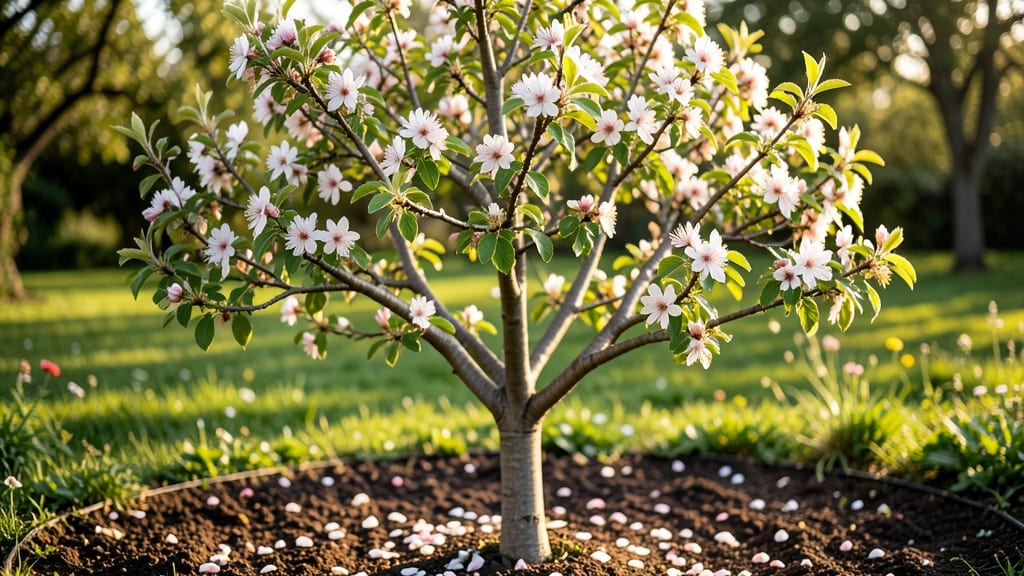
Peach trees bloom in late March to early May—but timing depends on your variety, climate, and the 1000+ chilling hours they need to wake up from dormancy.
Want to know exactly when your 🍑 will burst into pink blossoms this spring? Timing is everything for a bountiful harvest—and getting it wrong could mean lost fruit.
Early bloomers like 'Redhaven' might flower in Zone 6a as soon as late March, while late varieties like 'Elberta' wait until May, leaving them vulnerable to frost damage.
Climate plays a bigger role than most gardeners realize. A warm winter with fewer chilling hours can delay blooms, while sudden temperature swings after planting can shock buds into early—or failed—opening. Even pruning too late in the season can shift your tree’s internal clock, throwing off the whole schedule.
In this guide, I’ll break down exactly when your peach tree will bloom based on variety, how to adjust care for your local climate, and the 3 key signs your tree is ready to set fruit.
With these tips, you’ll turn your bloom time into a predictable harvest window every year.
Peach tree bloom time by variety: when to expect flowers and fruit
Predicting when your peach tree will bloom is crucial for timing harvests and avoiding frost damage. Different varieties bloom at distinct times—some as early as late February in warm climates, while others wait until May.
Understanding these windows helps you plan for fruit set and protect delicate blossoms. Below, I break down bloom schedules for popular peach varieties, including their frost sensitivity risks and ideal growing zones.
Most peach trees require 300-700 chilling hours (temperatures between 32°F-45°F) to trigger blooming. Without enough cold exposure, buds may fail to open, leading to poor fruit production. For example, Elberta and Redhaven varieties need more chilling hours than Tropic Beauty, which thrives in warmer zones.
Your USDA hardiness zone and microclimate also play a key role in bloom timing.
Here’s a quick comparison of bloom windows for early-, mid-, and late-season peach varieties, including their frost risks and harvest timelines. Use this as your guide to align care with your tree’s natural cycle.
If you’re in Zone 4 or colder, focus on late-blooming varieties like Elberta or Contender, which avoid early spring frosts. For warmer zones (9-11), early bloomers like Tropic Beauty shine—but be ready to protect blossoms with frost cloth if temperatures dip below 28°F.
I recommend planting frost-hardy varieties in colder regions and using row covers for early bloomers in marginal zones.
Timing isn’t just about variety—soil temperature and pruning practices also influence bloom schedules. For example, heavy pruning in late winter can delay blooming by 2-3 weeks as the tree redirects energy to new growth.
If you pruned aggressively, expect your tree to bloom slightly later than the average window for its variety. Always prune dormant trees in late winter to avoid disrupting bloom timing.
Another critical factor is water stress before blooming. Peach trees need consistent moisture during bud development, but overwatering can cause root rot and weaken the tree. Aim for deep watering once weekly in dry spells, focusing on the root zone.
Mulch with wood chips to retain moisture and regulate soil temperature—this helps trigger consistent blooming year after year.
For gardeners in transition zones (7-8), where frosts are unpredictable, I suggest planting a mix of early and late varieties. For instance, pair Redhaven (mid-season) with Contender (late-season) to spread out your harvest and reduce frost-related losses.
You can also use circulation fans or smoke pots to protect blossoms during late frosts (temperatures between 28°F-32°F).
Once you know your tree’s bloom window, mark your calendar for fruit thinning, which typically occurs 6-8 weeks after blooming. Thinning ensures larger, higher-quality peaches by removing excess fruit.
For example, if your Elberta blooms in early April, plan to thin in mid-May. This step is non-negotiable for commercial-quality fruit—even home gardeners will see better yields with proper thinning.
Finally, pay attention to last year’s harvest timing as a clue for this year’s bloom. Peach trees follow a roughly 120-150 day cycle from bloom to harvest. If your Fay Elberta produced fruit in early August last year, expect blooms around mid-March to April this spring.
Use this pattern to fine-tune your care schedule and avoid surprises.
How climate and care affect your peach tree’s bloom schedule
Your peach tree’s bloom schedule isn’t set in stone—it shifts based on climate conditions and your care routine. While most varieties bloom between March and April, extreme weather or improper pruning can delay or advance this window.
Understanding these factors helps you predict and optimize fruit set for a better harvest.
Peach trees rely on chilling hours (400–800 hours below 45°F) to break dormancy. Without enough cold, buds may bloom late—or not at all. In warmer climates like USDA Zone 8+, this can push blooms into late April or May, increasing frost risk.
Meanwhile, temperature fluctuations during bloom can also stress flowers, reducing fruit production.
If your peach tree blooms too early (before last frost), a single night below 28°F can kill flowers and eliminate that year’s crop. Monitor forecasts and use frost cloths or row covers if blooms appear before April 15 in your zone. Late-blooming varieties (like ‘Redhaven’) are safer but may yield smaller fruit.
Pruning plays a critical role in timing blooms. Heavy pruning in late winter stimulates early growth, often advancing bloom by 1–2 weeks. However, over-pruning can stress the tree, delaying blooms.
Aim to remove no more than 25% of the canopy in dormant season (December–February) to balance flower production and fruit development.
Watering strategies also impact bloom timing. Deep, infrequent watering (15–20 gallons per tree) during dormancy ensures buds have enough moisture to swell. Skipping water in late winter can cause buds to dry out, leading to sparse or delayed blooms.
Mulch with 3–4 inches of organic matter (like straw) to retain soil moisture and regulate temperatures near the roots.
Adjust your fertilization schedule to support blooms. Apply a balanced 10-10-10 fertilizer in early spring (as buds swell) to fuel flower production. Avoid high-nitrogen feeds after blooms appear—they promote leafy growth at the expense of fruit set. Instead, switch to a phosphorus-rich formula (like 5-10-10) to encourage flowering.
For delayed blooms, check for nutrient deficiencies (like zinc or boron) or pest damage (e.g., peach tree borers). If blooms are too late, thin out some fruit after harvest to reduce stress on the tree.
With the right adjustments, you can align your peach tree’s bloom schedule with your climate’s safest window for a reliable harvest every year. 🌱