
Trees
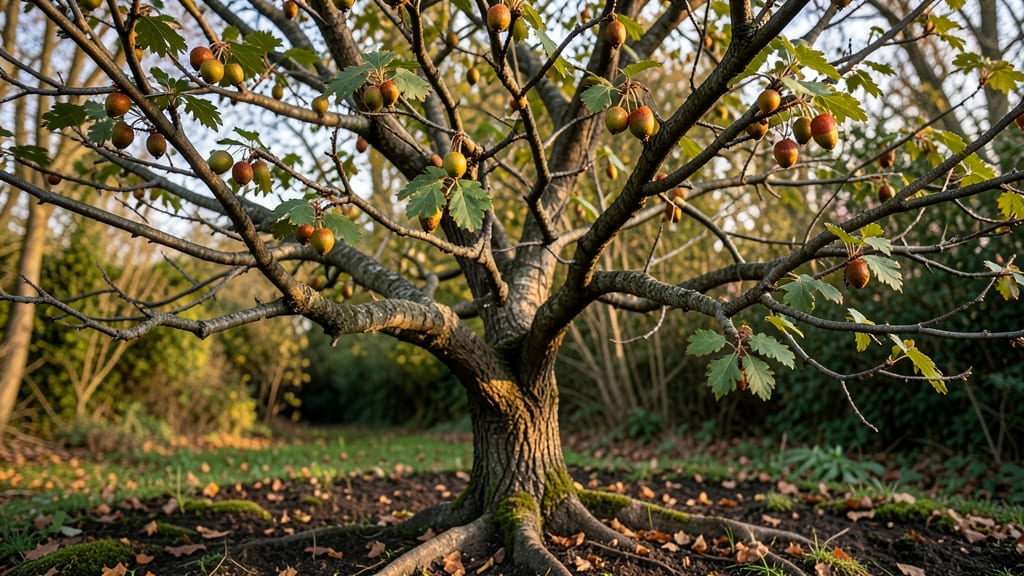
A tree bearing oblong yellow-green fruit in crossword clues is almost always a pear tree, thanks to its distinctive elongated shape and familiar fruit. Quince and loquat are rare alternatives, but pear dominates due to its iconic fruit profile.
Crossword constructors favor pear trees because their fruits match the classic "oblong yellow-green" description perfectly. 🌳 The oblong shape and color of pears—especially varieties like Bartlett—align with common puzzle clues, making them the top answer.
Quince fruits are rounder and loquats are more oval, so they rarely appear in clues. If you're solving puzzles, look for hints like "fruit tree" or "edible oblong" to confirm.
What's interesting is how these botanical details translate into wordplay. Crossword clues often use botanical terms like "Pyrus" (pear's genus) or "tree bearing" to hint at the answer without being too obvious. This makes pear trees a favorite for clue creators who want to test both vocabulary and fruit knowledge.
💡 In This Article
- Identifying Common Crossword Fruit Trees
- Growing and Caring for Pear Trees
Identifying common crossword fruit trees
When crossword clues describe a tree with "oblong yellow-green fruit," they're almost always pointing to a pear tree (genus Pyrus).
The key lies in the fruit's distinctive shape—pears grow elongated and tapered, typically 3-5 inches long, with a smooth, slightly ribbed skin that ranges from pale yellow to greenish-yellow when ripe.
This oblong form contrasts sharply with rounder fruits like apples or the more oval loquats, making pears the botanical match for classic crossword descriptions.
The color variation is equally telling. While some pears turn golden when fully ripe, many varieties—like the Bartlett or Anjou—maintain a yellow-green hue that perfectly fits crossword clues. This color isn't just superficial; it's tied to the fruit's ripening process.
Pears develop chlorophyll (the green pigment) while still on the tree, which breaks down as sugars increase, revealing yellow tones underneath. 🌿 This dual-color trait makes them visually distinctive compared to fruits that are uniformly colored.
Quince (Cydonia oblonga) and loquat (Eriobotrya japonica) occasionally appear in crosswords, but their shapes and colors differ significantly. Quince fruits are rounder and more apple-like, while loquats are smaller, oval, and often bright orange when ripe.
The oblong shape is the critical differentiator—pear's elongated form is unmistakable in botanical terms, which is why it dominates crossword answers. Even the tree's growth habit matters: pear trees develop a rounded canopy with upward-growing branches, creating a classic "fruit tree" silhouette that clue writers love.
Here's what sets pear trees apart in crossword logic:
- Fruit shape: Oblong and tapered (3-5 inches), unlike quince's roundness or loquat's oval form
- Color: Yellow-green when ripe (some varieties stay greenish), matching classic clues
- Botanical name: Pyrus genus is a common crossword hint
- Cultural recognition: Pears are widely known, unlike niche fruits like loquats
What most solvers miss is how crossword clues often use fruit characteristics as subtle hints. For example, a clue might say "tree with edible oblong fruit" or "yellow-green fruit tree," both of which point directly to pear's botanical profile.
The oblong shape isn't just about appearance—it's tied to the fruit's internal structure, where the core extends along the length, creating that signature tapered form. This anatomical detail makes pear trees the perfect fit for precise crossword descriptions.
For advanced solvers, pay attention to fruit-bearing timing in clues. Pears typically ripen in late summer to fall, which aligns with many crossword themes that reference harvest seasons.
This seasonal context can help distinguish between pear trees and other possibilities that might have similar fruit colors but different growing cycles. 💡