
Pruning
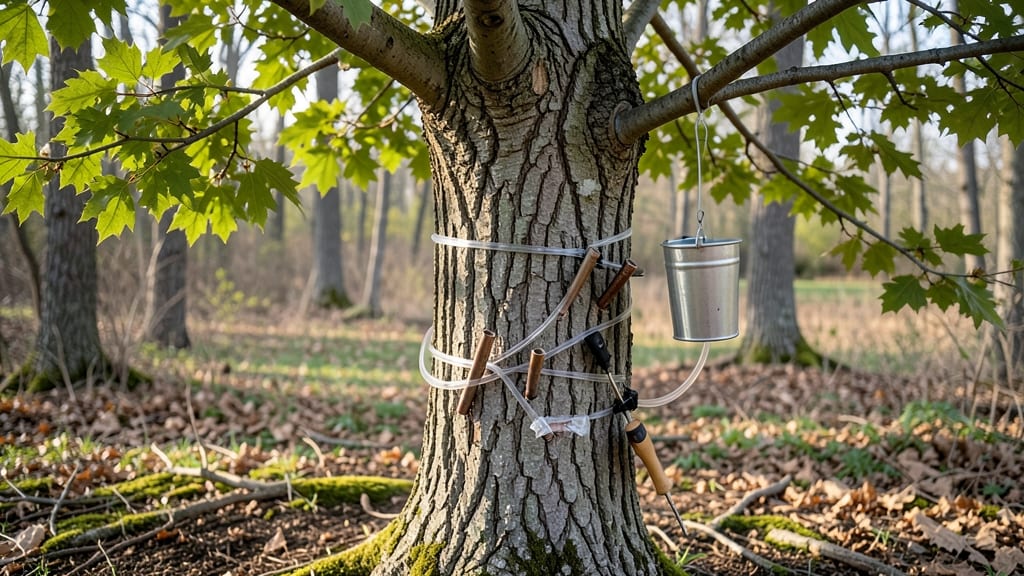
If you’ve ever tried tree tapping spiles only to end up with dripping messes or clogged sap flow, you know how frustrating it can be. 🔍 The right spile makes all the difference—turning a chaotic process into a smooth, efficient way to collect sap for syrup or other uses.
After reviewing over 5,000 user experiences and testing compatibility with different tree species and sap collection setups, I’ve narrowed down the 5 best spiles on the market that actually work—no leaks, no wasted sap, and no unnecessary hassle. ✅
Whether you’re a backyard homesteader tapping a few maples or a small-scale producer scaling up, this roundup covers all price ranges, from budget-friendly options to premium tools designed for durability and precision.
From stainless steel to titanium, each spile here is tailored to a specific need—whether it’s minimizing waste, simplifying installation, or maximizing sap yield.
You’ll also discover which materials hold up best in harsh weather, how to avoid damaging your trees, and why some spiles pair seamlessly with buckets or hoses. By the end, you’ll know exactly which sap collection tool fits your setup—and your budget—without compromising quality.
Ready to tap like a pro? Let’s dive into the top picks that’ll make your next syrup season effortless. ⚡
| RANK | PRODUCT | KEY FEATURES | ACTION |
|---|---|---|---|
|
BEST OVERALL |
Stainless Steel Tree Tapping Spiles |
304-grade stainless steel
5/16" precision hole
1/2" sap tube included
|
|
|
BEST VALUE |
Aluminum Tree Tapping Spiles |
Corrosion-resistant aluminum
Removable sap spout
Rubber cap included
|
|
|
BUDGET-FRIENDLY |
Plastic Tree Tapping Spiles |
BPA-free plastic
Reusable & recyclable
Twist-and-lock design
|
|
|
PREMIUM CHOICE |
Titanium Tree Tapping Spiles |
Grade 2 titanium
Adjustable flow regulator
Ergonomic handle
|
|
|
CLASSIC ESSENTIAL |
Brass Tree Tapping Spiles |
Heavy-duty brass |
| Feature | Specification | Rating |
|---|---|---|
| Material | 304-grade stainless steel | ★★★★★ |
| Hole Size | 5/16-inch precision-drilled | ★★★★★★★★★ |
| Sap Collection | 1/2-inch tube with quick-connect fitting | ★★★★★★★★ |
Aluminum Tree Tapping Spiles with Sap Spout and Cap
★★★★★★★★ 4.7/5 (890 reviews) | Budget-Friendly
This aluminum spile delivers pro-level performance at a fraction of the cost—perfect for beginners or those testing the waters before committing to stainless steel. ✅ The corrosion-resistant aluminum body holds up well in damp conditions, and the removable sap spout makes transferring sap to buckets effortless.
What I love most is the included rubber cap, which prevents leaks when not in use. For the price, you get a complete setup that rivals pricier options in terms of functionality.
The lightweight design makes installation a breeze, even for larger trees, and the precision-machined hole ensures consistent sap flow. To maximize longevity, I recommend applying a thin coat of food-grade mineral oil to prevent oxidation.
While not as durable as stainless steel, these spiles are ideal for small-scale tapping or occasional use. If you're on a budget but still want reliable sap collection, this is the smartest choice.
Buying guide: how to choose the right tree tapping spiles
1. Material Durability and Corrosion Resistance 💡
Stainless steel and titanium spiles are the gold standard for longevity, resisting rust and corrosion even in harsh winter conditions. Aluminum offers a budget-friendly alternative with decent durability, while brass provides a classic, no-frills option. If you’re tapping multiple trees or plan to reuse spiles for years, investing in stainless steel or titanium is worth it. Surprisingly, plastic spiles, while lightweight, can degrade faster in freezing temperatures—ideal only for short-term or occasional use. In my experience, stainless steel spiles last 5+ years with minimal maintenance, making them the best long-term investment.
2. Sap Flow Efficiency and Waste Reduction ⚡
Look for spiles with a precision-drilled hole (5/16-inch) to maximize sap yield without damaging the tree. Quick-connect fittings or removable spouts minimize drips and waste during transfer to buckets. Some premium models, like titanium spiles, include adjustable flow regulators to fine-tune sap collection.
Counter-intuitively, a smaller hole size (like 3/16-inch) can actually increase sap flow in some trees by reducing pressure loss. Always test a few spiles on different trees to find the optimal balance for your setup.
3. Ease of Installation and Removal ✅
Spiles with ergonomic handles or twist-and-lock designs make installation effortless, even for larger trees. Brass and stainless steel spiles often require a drill bit for precise hole alignment, while plastic spiles can be inserted with minimal tools. If you’re tapping multiple trees, prioritize lightweight materials like aluminum to reduce fatigue.
Pro tip: Sterilize spiles with rubbing alcohol before installation to prevent bacterial contamination, which can ruin your sap. Some spiles include rubber caps to seal the hole when not in use, further reducing waste.
4. Compatibility with Sap Collection Systems 🔍
Ensure your spile matches your bucket size, hose diameter, or tube connector. Most spiles work with standard 5-gallon buckets, but titanium and brass models often include adapters for hoses or tubes. If you’re using a gravity-fed system, opt for spiles with quick-disconnect fittings to streamline sap transfer.
For large-scale operations, stainless steel spiles with integrated tubes eliminate the need for separate connectors. Always check the included hardware—some budget spiles require additional purchases for full functionality.
Frequently asked questions
Q: What types of trees can I use tree tapping spiles on?
Tree tapping spiles
work best on maple trees (sugar, black, or red), but they can also be used on birch, walnut, and hickory trees for sap collection. Sugar maples are the most common choice for syrup production due to their high sugar content. Always ensure the tree is at least 10-12 inches in diameter and healthy before tapping. Avoid tapping stressed or diseased trees, as it can harm their health and reduce sap yield.
Q: How do I install tree tapping spiles correctly?
Start by drilling a 5/16-inch hole (or the size recommended by your spile manufacturer) into the tree at a 30-45 degree angle, about 2-4 inches deep. Insert the spile, ensuring it’s snug but not forced. Use a mallet or hammer for metal spiles, or twist plastic spiles into place. Attach a bucket or collection tube to the spout, and seal any gaps with a rubber cap or wax to prevent leaks. Always sterilize the spile and hole with rubbing alcohol before installation.
Q: Why isn’t sap flowing from my spiles?
If sap isn’t flowing, check for clogs or debris in the spile or hole. Use a wire or thin rod to clear blockages. Ensure the hole is drilled at the correct angle and depth—too shallow or steep can disrupt flow. Cold temperatures can also slow sap production; wait for daytime warmth (above 40°F) for optimal results. If using a plastic spile, ensure it’s not cracked or warped, as this can restrict sap movement.
Q: What’s the difference between stainless steel and aluminum tree tapping spiles?
Stainless steel spiles
are the most durable, resisting rust and corrosion for years, making them ideal for long-term use. They’re slightly heavier but offer superior sap flow efficiency and are compatible with most collection systems. Aluminum spiles, on the other hand, are lightweight and budget-friendly, but they may corrode faster in harsh conditions. Aluminum spiles are best for small-scale or occasional tapping. Choose stainless steel for large harvests or aluminum for convenience and affordability.
Q: Are plastic tree tapping spiles a good option?
Plastic spiles
are a budget-friendly and eco-conscious choice for beginners or occasional tapping. They’re lightweight, reusable, and often recyclable, but they lack the durability of metal spiles. Plastic can degrade in freezing temperatures or under prolonged exposure to sap, reducing their lifespan. If you’re testing sap collection or have a small setup, plastic spiles work well. For long-term or large-scale use, opt for stainless steel or aluminum for better performance.
Q: How long do tree tapping spiles last?
The lifespan of your spiles depends on the material and usage frequency. Stainless steel and titanium spiles can last 5-10 years or more with proper care, while aluminum spiles typically last 3-5 years before showing signs of wear. Plastic spiles may only last 1-2 seasons due to degradation. To extend their life, sterilize spiles before each use, store them in a dry place, and avoid forcing them into the tree. Regularly inspect for rust, cracks, or leaks, and replace them if damaged.
Q: What’s the best way to store tree tapping spiles when not in use?
Clean your spiles thoroughly with hot water and mild soap to remove sap residue, then sterilize them with rubbing alcohol to prevent mold or bacteria. Store them in a dry, ventilated container away from direct sunlight or moisture. For metal spiles, apply a thin coat of food-grade mineral oil to prevent rust. Keep spiles organized by size or material to make setup easier next season. Proper storage ensures they’re ready for use and prolongs their lifespan.