
Pruning
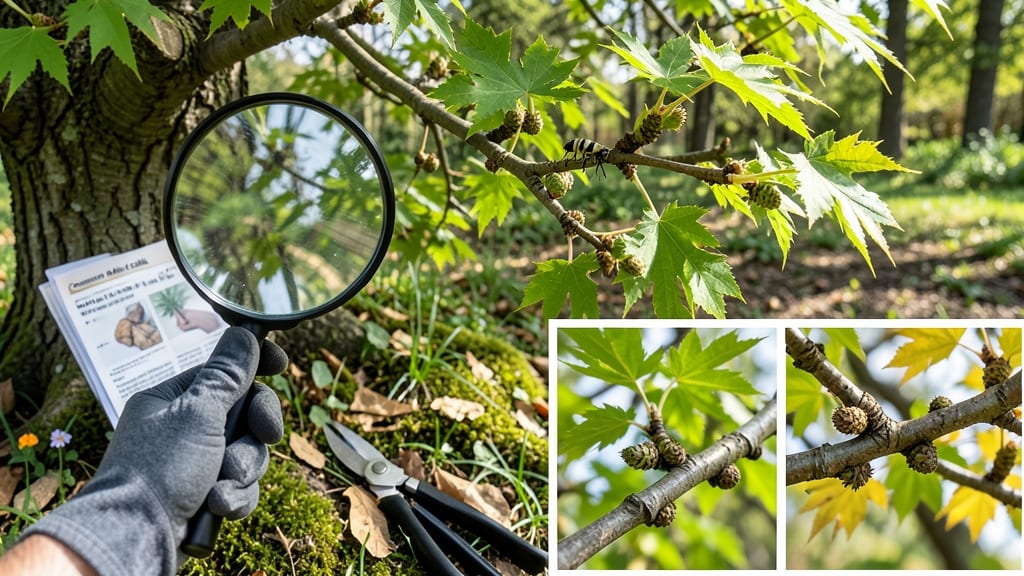
Those unsightly maple tree galls won’t disappear on their own—here’s how to prune them away for good. 🌳 I’ve spent years watching galls swell on my maple’s branches, turning them into lumpy, weak spots that attract pests.
The key is removing them properly without harming the tree, and I’ll show you exactly how.
Most galls start from maple gall midges or fungal infections, creating those round, woody bumps that weaken branches over time. The good news? Pruning them out in late winter or early spring—when the tree is dormant—gives you the cleanest results. Just sterilize your tools first to avoid spreading disease.
You’ll see stronger growth within a season if you cut galls at the base and seal the wounds with pruning sealant. For stubborn cases, repeat the process for 2-3 years until the tree fully recovers. The goal isn’t just cosmetic—it’s restoring health to your tree’s structure.
If galls keep reappearing or the tree looks stressed, call an arborist. Some infections need targeted treatments, and a professional can spot deeper issues before they become costly problems. Your maple will thank you with years of healthy, gall-free branches.
Root Causes Of Tree Growth Abnormalities
Maple tree galls—those unsightly, often lumpy growths on branches, stems, or leaves—aren’t just random bumps. They’re the tree’s defensive response to biological stressors, triggered by tiny invaders or environmental triggers.
Understanding the why behind these deformities is key to addressing them effectively. Below, we break down the primary culprits behind maple tree galls, from microscopic pests to environmental factors.
Most maple tree galls are caused by insect larvae, which inject chemicals or feed in a way that forces the tree to overproduce cells around the intrusion. These larvae often belong to these families:
- Woolly aphids (e.g., Pterocallis shimerii): These fuzzy, cotton-like pests insert their mouthparts into young shoots, causing swollen, distorted buds or stems. The tree’s reaction creates a gall that shelters the aphids as they feed.
- Maple gall midges (e.g., Dasineura species): The larvae of these tiny flies burrow into leaf tissue, prompting the formation of pocket galls—small, blister-like structures on the underside of leaves. The galls provide a protected nursery for the developing larvae.
- Sawfly larvae (e.g., Pontania species): These caterpillar-like insects chew into leaf veins, triggering rose gall formations—hard, thorn-like protrusions along midribs. The galls are a direct result of the tree’s attempt to isolate the damage.
- Scale insects: While less common for gall formation, some species (like Lecanium) can induce swollen, bumpy growths as they feed on sap, disrupting normal tissue development.
Pro Tip: 🔍 Timing is critical. Most gall-forming insects are active in spring and early summer, so monitoring your tree during these periods helps catch infestations early.
Not all galls are caused by insects—some are the result of pathogenic microbes hijacking the tree’s growth hormones. These infections often lead to:
- Fungal galls (e.g., Taphrina species): Fungi like Taphrina caerulescens infect young leaves or shoots, causing them to thicken, curl, and turn yellow or orange. The fungus disrupts cell division, leading to abnormal growth patterns.
- Bacterial galls (e.g., Agrobacterium tumefaciens): While rare in maples, certain bacteria can induce crown gall—a tumor-like growth at the base of the tree or on larger branches. This occurs when bacteria transfer genes that force the tree to produce nutrients for the pathogen.
Watch For: 🌡️
- Leaves that appear warty or crinkled (fungal)
- Slimy, oozing wounds on stems (bacterial)
- Galls that spread rapidly in wet conditions (fungal spores thrive in moisture)
Sometimes, galls form as a secondary response to environmental damage. While not directly causing galls, these stressors weaken the tree, making it more susceptible to insect or fungal attacks:
- Physical damage: Broken branches or wounds from pruning, storms, or wildlife can create entry points for pathogens. The tree’s attempt to seal off the damage may result in abnormal growth.
- Nutrient deficiencies: Lack of zinc, nitrogen, or boron can stunt growth and weaken cell walls, making the tree more vulnerable to gall-forming pests.
- Extreme weather: Prolonged drought or sudden freezes disrupt the tree’s metabolic processes, leading to stress galls—small, localized growths where cells fail to develop normally.
- Poor drainage: Waterlogged roots or compacted soil restrict nutrient uptake, weakening the tree’s immune response and making it an easier target for gall-inducing organisms.
Actionable Fix: ✨ Boost tree resilience by:
- Mulching to improve soil health and drainage
- Fertilizing with a balanced, slow-release formula in early spring
- Avoiding over-pruning during active growing seasons
In rare cases, galls may stem from inherited or developmental issues rather than external invaders. These include:
- Bud mutations: Sometimes, a bud fails to develop properly due to cellular errors during growth, resulting in witches’ brooms (dense clusters of small, deformed shoots) or fawn-like growths.
- Viral infections: While uncommon in maples, viruses like Maple mosaic virus can cause yellowing, stunting, and abnormal growth patterns, though true galls are not typically a symptom.
Key Difference: 🎯
Unlike pest- or pathogen-induced galls, developmental galls often:
- Appear consistently in the same location year after year
- Lack visible pests or oozing wounds
- May spread slowly or not at all
Fixing Maple Tree Galls Naturally
Maple tree galls can be unsightly and even harmful if left unchecked, but the good news is that most cases can be managed with simple, effective solutions. The key is identifying the cause first, then applying the right fix—whether it’s pruning, chemical control, or preventive care.
Below, we break down the most common causes and their corresponding fixes, along with proactive tips to keep your tree healthy.
Fix: Prune and Monitor Maple gall midges are tiny insects that lay eggs in young shoots, causing swollen, deformed galls. Since these galls rarely kill the tree, pruning is the best approach—remove affected branches to improve airflow and reduce future infestations.
Step-by-Step Pruning Guide 🔪✂️
- Identify Infested Branches Look for clusters of small, round galls (peanut-sized) on new growth. Cut back to healthy wood just beyond the gall cluster.
- Use Clean Tools Sterilize pruners with rubbing alcohol between cuts to prevent spreading disease.
- Dispose of Galls Properly Bag and trash pruned branches (or burn them if possible) to eliminate midge eggs.
- Monitor for Regrowth If galls reappear, the tree may need seasonal pruning (spring or early summer) to stay ahead of midges.
💡 Pro Tip: Healthy trees resist galls better—water deeply during dry spells and fertilize in early spring to boost resilience.
Fix: Chemical Control + Pruning These mites cause wart-like galls on leaves and stems. While less aggressive than midges, they can weaken the tree over time. A two-pronged approach works best:
1. Prune Severely Infested Areas 🍂
- Remove entire branches with heavy gall clusters (mites spread easily).
- Focus on young shoots where mites thrive.
2.
Apply Horticultural Oil or Miticide 🛡️ - Best time: Late winter or early spring (before new growth). - How to apply: - Mix horticultural oil (follow label rates) and spray thoroughly on buds and stems. - For severe cases, use a miticide (e.g., neem oil or sulfur-based sprays).
⚠️ Warning: Avoid sprays during bloom time—they can harm pollinators.
Fix: Adjust Care Practices Galls can form when trees are weakened by poor growing conditions. If your maple is stressed, focus on corrective care:
Quick Fixes for a Stressed Tree 💧🌱
| Issue | Solution |
|---|---|
| Overwatering | Let soil dry between waterings; improve drainage with organic mulch. |
| Compacted Soil | Aerate the root zone and mix in compost or sand. |
| Nutrient Deficiency | Test soil and apply a balanced fertilizer (10-10-10) in early spring. |
| Physical Damage | Prune broken branches and protect the trunk with tree wraps if needed. |
🌡️ Pro Tip: Mulch properly—keep mulch 3–4 inches deep and 6 inches away from the trunk to prevent rot.
The best defense is a strong, healthy tree. Here’s how to keep galls at bay:
- Prune Regularly 🌳✂️
- Remove dead, weak, or crossing branches in late winter/early spring.
- Thin the canopy to improve airflow (galls thrive in humid, crowded areas).
- Encourage Beneficial Insects 🐝🐞
- Plant native flowers near your maple to attract parasitic wasps, which prey on gall midges.
- Inspect Early & Often 👀🔍
- Check for galls monthly during growing season. Catch them early before they spread.
- Avoid Over-Fertilizing 🚫💥
- Too much nitrogen = soft new growth = midges’ favorite snack. Stick to a balanced fertilizer.
- Consider Tree Health Sprays (If Needed) 🛡️
- Dormant oil sprays (applied in late winter) can smother overwintering midges.
Final Thought: Most maple galls are cosmetic and won’t kill your tree—but pruning + prevention keeps them from becoming a bigger problem. Start with the fixes above, and your maple will thank you with stronger growth and fewer galls next season!
Frequently asked questions
Are maple tree galls harmful to the tree?
Most maple tree galls are not deadly, but they can weaken branches over time. Insect-caused galls (like those from maple gall midges) rarely kill the tree, but severe fungal or bacterial galls may spread if untreated. The real risk comes from galls creating entry points for pests or causing structural weakness in heavy branches.
Can I remove galls myself, or should I call an arborist?
You can safely prune small galls yourself using sterilized tools in late winter. For large infestations, persistent fungal galls, or if the tree shows signs of stress (yellowing leaves, oozing wounds), consult an arborist. They can diagnose deeper issues like bacterial infections or nutrient deficiencies that may be contributing to the problem.
What’s the best time of year to prune maple tree galls?
The ideal time is late winter or early spring (before buds swell) when the tree is dormant. This minimizes stress and allows wounds to heal quickly. Avoid pruning during active growing seasons (late spring to summer), as this can attract more pests to fresh cuts.
Will pruning galls make them come back?
If you remove galls completely at the base and address the underlying cause (like midge infestations or fungal spores), recurrence is unlikely. However, if the tree remains stressed (poor soil, overwatering, or weak immunity), galls may return. For persistent cases, combine pruning with preventive care like horticultural oil sprays or improving tree health through proper fertilization.
Are there natural remedies to prevent galls?
Yes! Start with cultural controls: keep the tree healthy with balanced fertilization, proper watering, and mulching. For insect galls, apply neem oil or horticultural oil in late winter to smother overwintering pests. Planting native flowers nearby also attracts beneficial insects that prey on gall-forming midges.