
Pruning
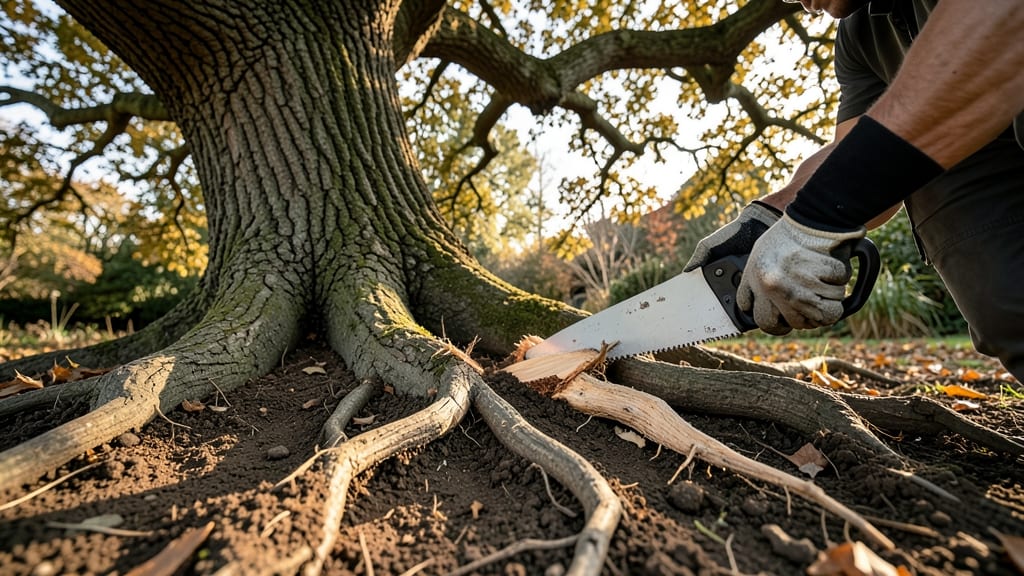
Transform your landscape with these 10 professional tree shaping techniques that enhance both beauty and longevity. Whether you're restoring an overgrown oak or sculpting a young ornamental tree, these methods ensure year-round structure and health.
Crown Thinning for Airflow Improvement
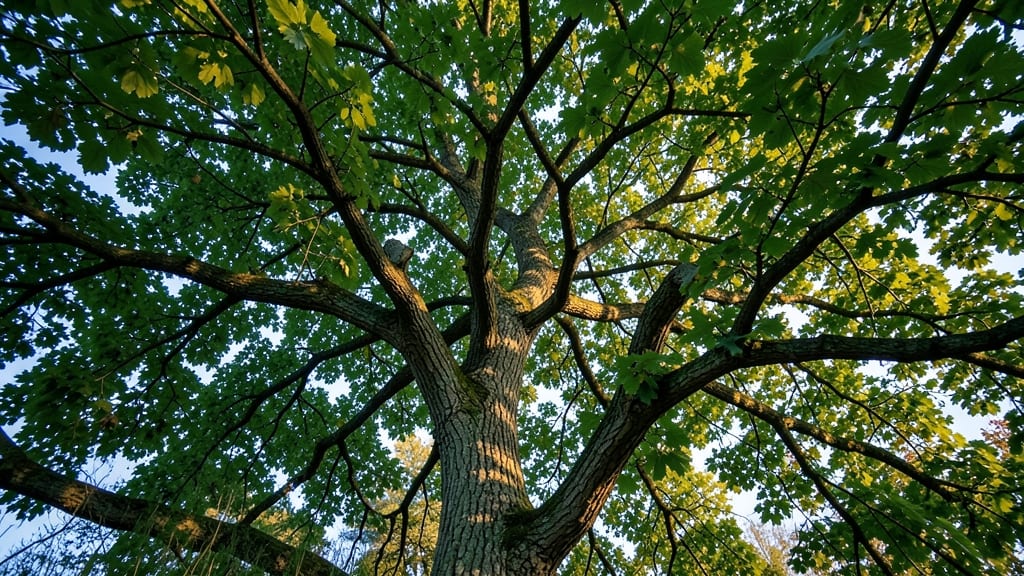
Struggling with a maple or oak that looks like a solid green wall instead of a breathable canopy? Crown thinning is the secret to transforming dense, disease-prone foliage into a healthy, sunlit structure. This technique removes select branches from within the crown—not just the outer ones—creating airflow that reduces humidity and fungal risks.
Focus on branches that cross or rub each other, or those growing straight up ("water sprouts"). Use clean, sharp pruners to make cuts just outside the branch collar, and never remove more than 25% of the foliage in one session. The goal is to let sunlight filter through while keeping the tree’s natural shape intact. This method works best on mature trees with dense canopies, like sugar maples or white oaks, where airflow is critical.
Homeowners with shady yards or urban gardens will see the biggest benefits—thinned trees support understory plants and reduce the risk of storm damage. Start in late winter or early spring when the tree is dormant for optimal healing. 🌟
Escalating Cuts for Stronger Branch Attachment
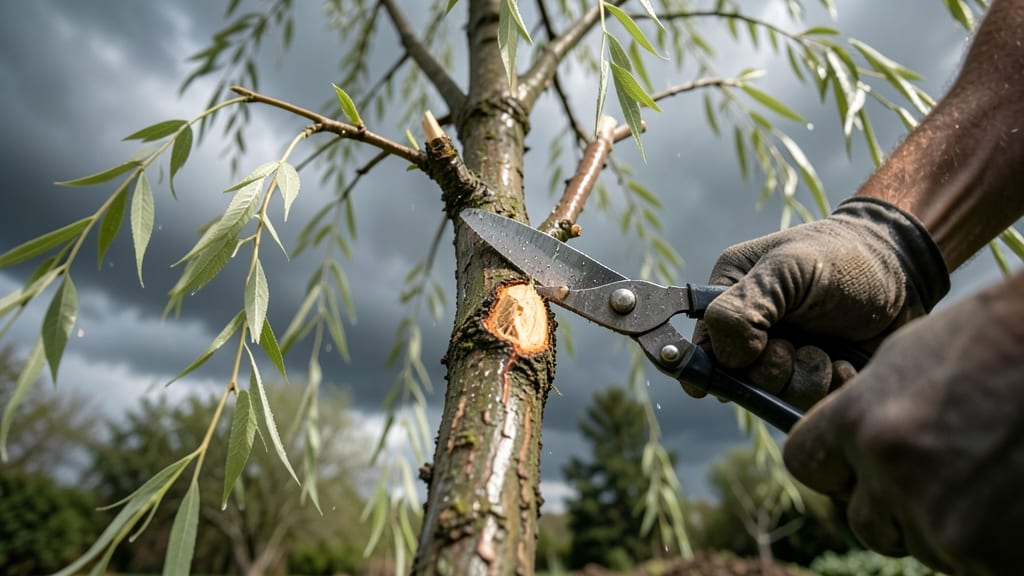
Struggling with weak branches that snap in storms? Escalating cuts strengthen young trees by creating a natural taper where branches meet the trunk—just like how a sturdy ladder widens at the base for stability. This technique is especially game-changing for willows, fruit trees, and birches, which often develop weak crotches that split under wind or snow.
Start by making a small cut on the underside of the branch where it meets the trunk, then gradually increase the cut size upward like a wedge. This reduces stress concentration and encourages a smoother, stronger union. For young trees, focus on branches thicker than one-third the diameter of the main trunk—these are the most vulnerable to failure. Prune during dormant season (late winter) to minimize sap loss and promote faster healing.
This method is a lifesaver for gardeners with urban fruit trees or delicate ornamental species, giving them the structural integrity they need to thrive for decades. 🌟
Pollarding for Structural Control
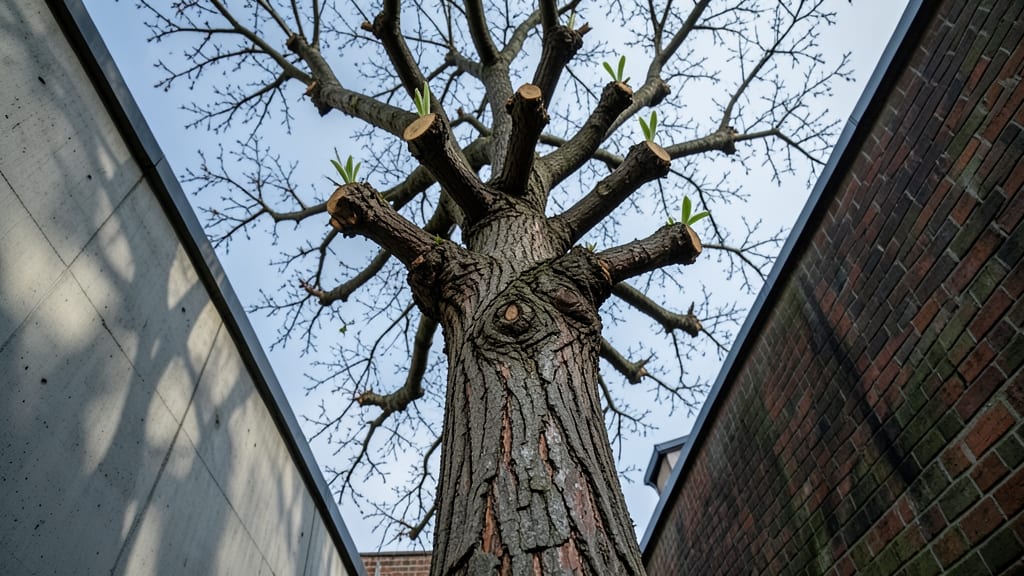
When urban trees like horse chestnuts grow too large for their space, pollarding offers a bold solution to reclaim control—without sacrificing their majestic presence. Unlike traditional pruning, this method involves making dramatic cuts just above a bud or branch collar, forcing the tree to regrow smaller, manageable branches while maintaining its structural integrity.
Timing is everything: perform cuts in late winter or early spring before new growth begins, using clean, sharp tools to minimize damage. The result? A tree that stays within bounds while producing fresh, lush foliage from the new shoots. This technique works best for mature trees like willows, oaks, or horse chestnuts that respond well to severe pruning.
Urban gardeners and city planners love pollarding for its ability to keep trees safe near power lines or sidewalks—without sacrificing their beauty. Just remember: patience is key as the tree adjusts to its new shape. ✨
Crown Reduction for Height Management
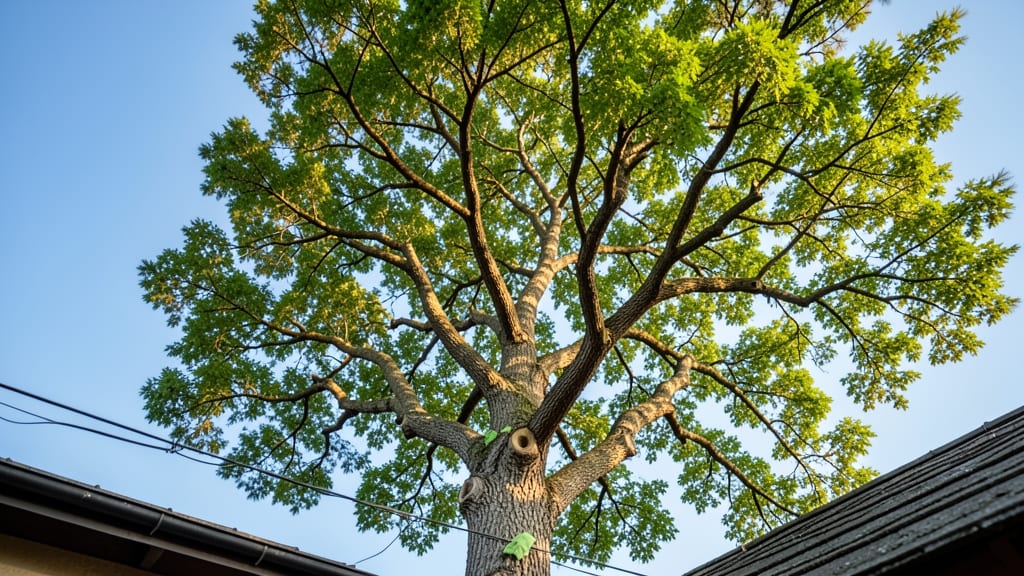
When your towering tree threatens power lines or your roof, crown reduction is the precise solution to lower its height without sacrificing its natural beauty. Unlike drastic pollarding, this technique focuses on strategic cuts to maintain the tree's original shape while safely reducing its overall size.
To perform crown reduction, remove no more than 25% of the tree’s canopy in a single session to avoid stress. Focus on cutting back the longest branches to the nearest lateral branch or bud, ensuring each cut leaves a smooth, angled surface. For power line clearance, prioritize branches growing toward utility wires, reducing height incrementally over 2-3 years. Always use sharp, sterilized tools and avoid cutting into the branch collar to prevent infection.
This method is ideal for urban gardeners and homeowners dealing with mature trees near structures. By maintaining the tree’s natural silhouette, you preserve its aesthetic appeal while ensuring long-term safety. 🌟
Cleansing Cuts for Deadwood Removal
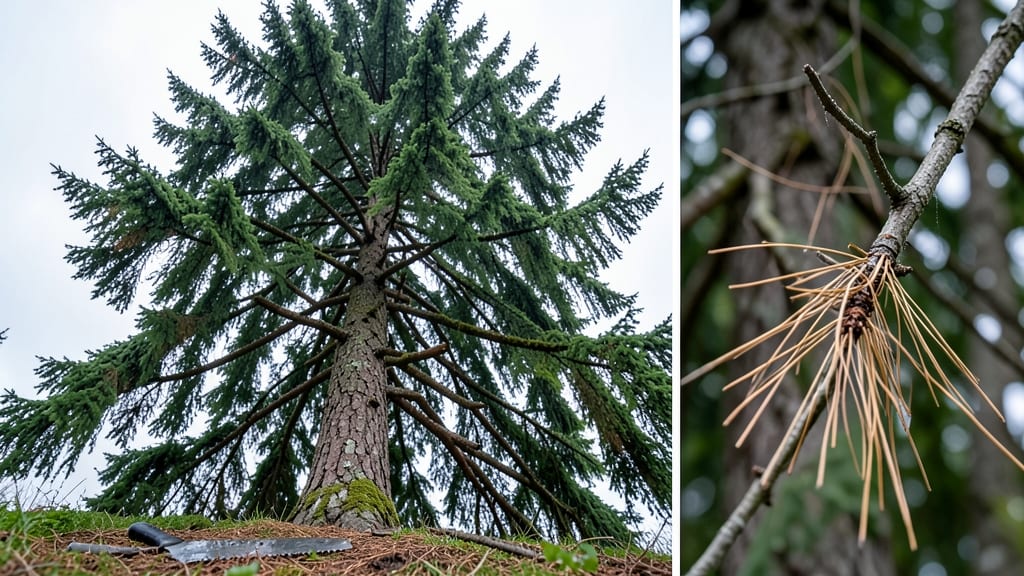
Conifers like pines and spruces may look lush, but those brown, brittle branches hiding beneath the needles are a silent pest magnet. Cleansing cuts—the practice of removing deadwood—are your first line of defense against infestations, fungal spread, and weakened growth in these evergreens.
Start by identifying dead branches (they snap easily when bent) and make clean cuts just outside the branch collar, avoiding the trunk. Focus on conifers, where dead needles accumulate, creating ideal conditions for bark beetles. Use sterilized pruners to prevent spreading disease between cuts, and remove all debris from the area. This technique isn’t just about looks—it’s about long-term health.
Homeowners with mature conifers or gardeners in drought-prone areas will see the biggest benefits, as deadwood removal reduces water stress on the tree. A little effort now keeps your evergreens thriving. 🌱
Heading Back for Bushier Growth
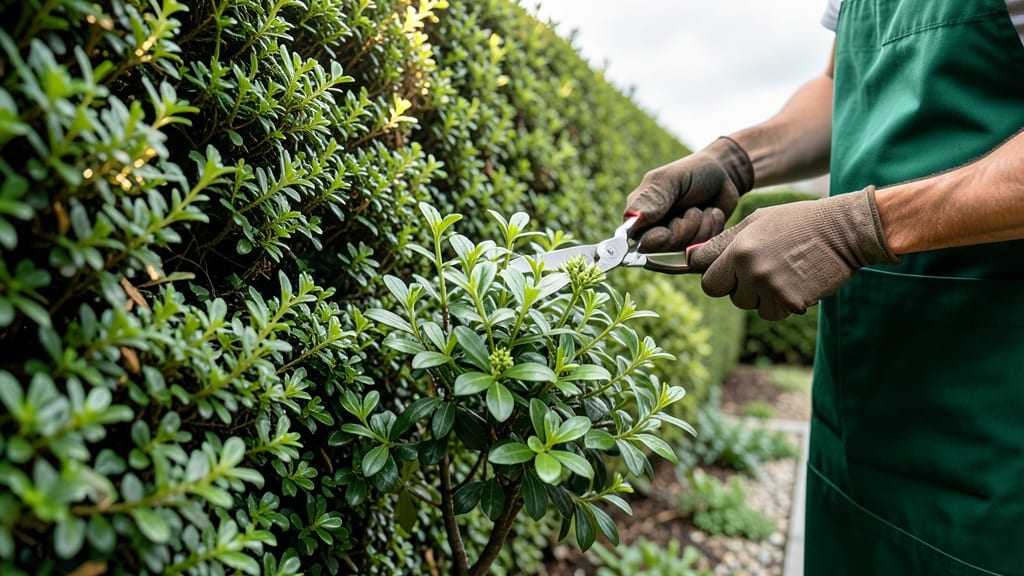
Want a lush, fuller hedge or shrub that looks like it belongs in a botanical garden? Heading back is your secret weapon—this pruning technique stimulates dense foliage by cutting back current growth just above a leaf bud or set of buds.
For ornamental shrubs like boxwoods, privet, or formal hedges, make cuts at a 45-degree angle just above an outward-facing bud to encourage growth in the right direction. Timing matters: do this in late winter or early spring before new growth begins, or in summer for flowering shrubs after they bloom. Avoid cutting into old wood, as it won’t regenerate.
This method is ideal for gardeners who love structured, manicured landscapes or need to refresh overgrown shrubs. With regular heading back, your plants will fill out beautifully while staying healthy and vibrant. 🌿
Vase Shaping for Ornamental Trees
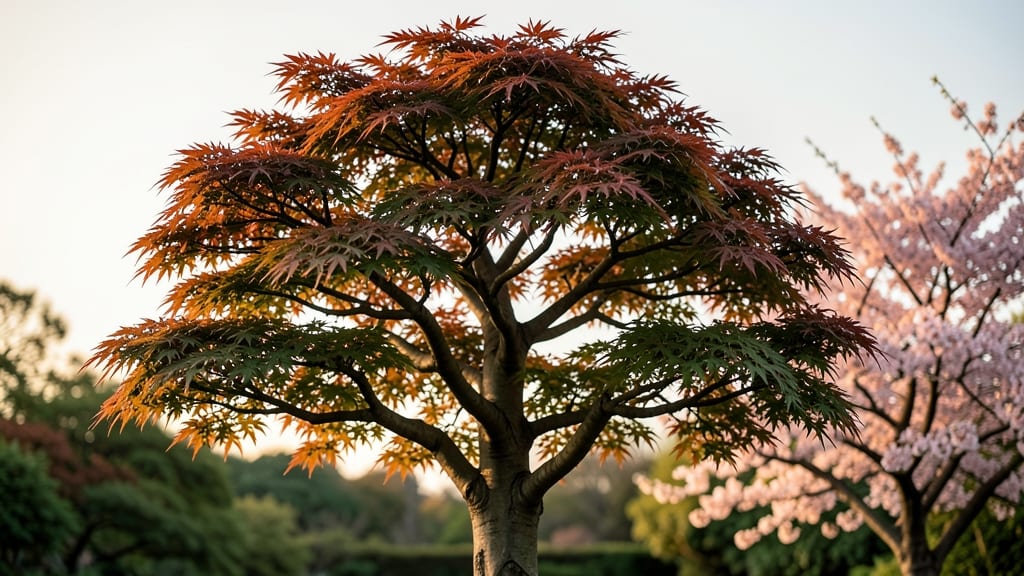
Want to turn your Japanese maple or flowering cherry into a stunning focal point? Vase shaping creates an elegant, open structure that highlights the tree's natural beauty while adding architectural interest to your landscape.
This technique involves selectively pruning branches to create horizontal tiers that widen toward the top, resembling an inverted vase. Start by removing any crossing or inward-growing branches, then shape the remaining limbs to form three to five distinct layers. For best results, prune during late winter or early spring before new growth begins. Use sharp pruners and seal larger cuts with pruning sealant to prevent disease.
Perfect for gardeners who love specimen trees and want to enhance their landscape's visual appeal without sacrificing the tree's health. The open structure also allows sunlight to reach the trunk, promoting better foliage and flower production. 🌻
Raising the Canopy for Understory Growth

Want to restore a forest floor or create a thriving woodland garden? Raising the canopy is your secret weapon—this technique removes lower branches to let sunlight nourish understory plants like ferns, wildflowers, and shrubs.
Start by identifying branches below 6 feet that block light from reaching the ground. Use sharp pruning shears or a saw to make clean cuts just outside the branch collar, avoiding stubs that invite disease. Focus on mature trees like oaks, maples, or beeches, as their dense canopies often shade out ground growth entirely. For best results, prune in late winter or early spring before new foliage emerges.
This method is perfect for forest restoration projects or woodland gardens where you want to mimic natural ecosystems. It also reduces competition for nutrients, helping young trees grow stronger. 🌿
Topiary Shaping for Formal Gardens
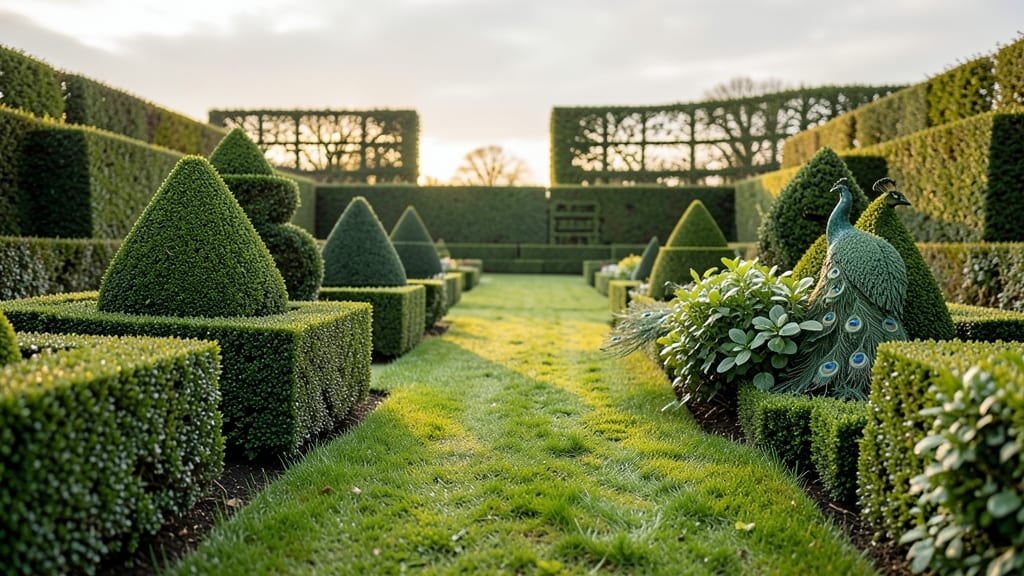
Turn your formal garden into a living masterpiece with topiary shaping, where precision meets artistry. This technique transforms boxwoods, yews, or privet into geometric marvels or whimsical animal forms, adding a touch of sophistication that elevates any landscape. Unlike other pruning methods, topiary focuses on creating intricate designs that require patience, skill, and regular maintenance.
Start with young, flexible branches that can be trained into your desired shape. Use sharp, clean pruning shears to make precise cuts, and don’t forget to support new growth with wire frames if needed. For best results, prune during the late spring or early summer when plants are actively growing. Regular trimming—every few weeks—will keep your topiary looking crisp and well-defined, ensuring it remains a standout feature in your garden.
This technique is ideal for gardeners who love blending horticulture with artistry, offering endless creative possibilities. Whether you’re designing a classic European-inspired garden or adding a playful touch, topiary brings a unique charm that’s hard to match. 🌟
Root Pruning for Transplant Success

Struggling with transplant shock in your mature trees? Root pruning before moving plants can make the difference between thriving and struggling specimens. This technique stimulates new root growth, helping trees establish faster in their new homes—ideal for saving prized trees or establishing high-value landscape plantings.
To root prune, use a sharp spade to cut roots in a U-shape around the tree’s perimeter, about 6-12 inches from the trunk. Focus on 1/3 of the root ball at a time, especially for large trees, and water deeply afterward to encourage recovery. This method works best in early spring or fall, when trees are dormant but still active enough to regenerate.
Landscape designers and homeowners relocating trees will find this technique invaluable—it reduces transplant shock by 50% or more and ensures your investment thrives. 💪