
Flowers
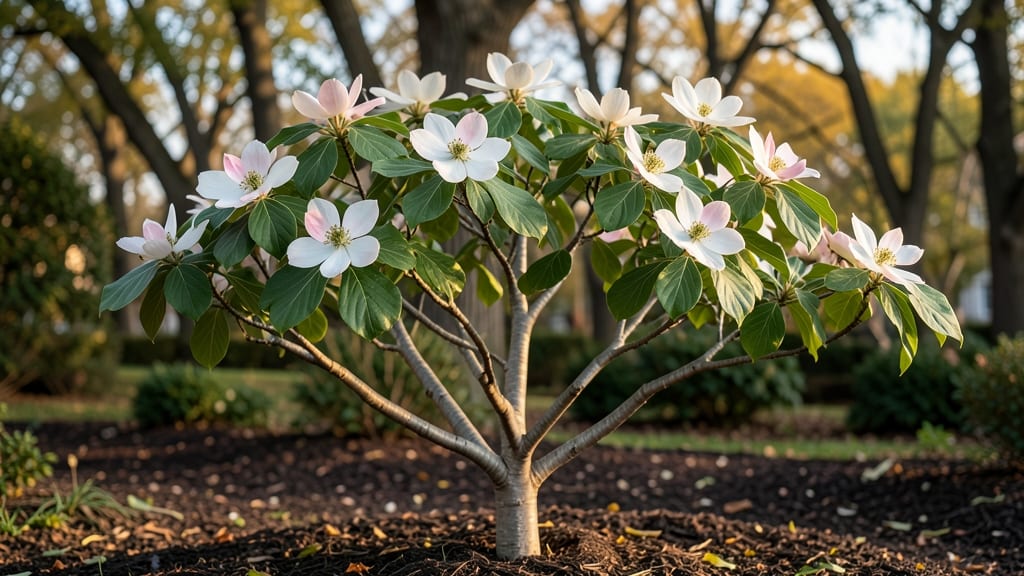
A tree with white flowers blooming against bold red berries is the kind of drama that makes neighbors pause and ask questions. ✨ These cold-hardy shrubs—like hawthorn, crabapple, or pyracantha—turn ordinary yards into showstopping landscapes with minimal effort.
The contrast alone makes them worth growing, but their seasonal interest keeps them relevant from winter’s last frost to autumn’s final colors.
Picture this: snow-laden branches in January, fragrant white blossoms in spring, and clusters of glossy red berries that persist through fall. These shrubs thrive in tough conditions—drought, poor soil, even urban pollution—so they’re perfect for busy gardeners who want beauty without babying plants.
Their versatility means they work as focal points, privacy screens, or mixed in with perennials for layered interest.
You’ll create a garden that feels alive year-round, with texture and color when most plants have gone dormant. Pair them with evergreens like boxwood or holly for structure, or let them stand alone as a bold statement.
The berries even attract birds, adding another layer of life to your space.
Whether you’re designing a cottage garden or a modern landscape, these shrubs deliver effortless elegance. Start with one variety this season—your garden will thank you for years to come.
Behind the Vibrant Display
The striking combination of tree red berries and white flowers isn’t just a coincidence—it’s a result of nature’s intricate balance of biology, climate adaptation, and seasonal cues. Let’s break down the science behind why these plants produce such eye-catching features and how environmental factors shape their growth.
Many shrubs with red berries and white blooms are genetically programmed to follow a specific reproductive strategy. Here’s why:
- Pollinator Attraction: White flowers often contain nectar and are highly visible to bees, butterflies, and other pollinators. Their bright, reflective petals act like beacons, drawing insects in for a quick energy boost. Once pollination occurs, the plant shifts focus to fruit production—enter the red berries, which are packed with seeds and designed to catch the eye of birds and mammals. These animals eat the berries, disperse the seeds via their droppings, and inadvertently spread the plant’s genes.
- Seed Dispersal Tactics: Red berries are evolution’s way of ensuring survival. Birds, in particular, are wired to seek out bright, red foods. The berries provide a nutrient-rich meal, while the seeds pass through the bird’s digestive system unharmed, ready to germinate in a new location. Without this vibrant contrast, many shrubs would struggle to reproduce effectively.
- Species-Specific Traits: Some plants, like Viburnum or Pyracantha, have evolved to produce white flowers followed by red berries as a direct response to their ecological niche. For example, Viburnum opulus (European cranberry bush) relies on this two-phase strategy to thrive in temperate climates where pollinators are seasonal.
Actionable Tip: If you’re growing these shrubs, mimic their natural conditions—plant them where they receive full sun to partial shade and ensure they’re in well-draining soil. This supports their genetic programming to produce both flowers and berries reliably.
Cold-hardy shrubs with red berries and white flowers often thrive in regions with distinct seasonal changes. Here’s how climate plays a role:
- Dormancy Triggers: Many of these shrubs enter dormancy in winter, conserving energy until spring. The shock of cold temperatures can actually stimulate flowering in some species. For example, Cornus mas (dogwood) produces white flowers in early spring as a response to winter chilling hours—a process called vernalization. Without adequate cold exposure, the plant may skip flowering altogether.
- Berries as Winter Food Sources: In colder climates, red berries serve as a vital food source for wildlife during harsh winters. Birds like robins and waxwings rely on these berries for sustenance when other food is scarce. This mutualism encourages the shrub’s survival, as the animals help disperse seeds while the plant provides nourishment.
- Frost Protection: White flowers can sometimes act as a protective mechanism. The petals may contain compounds that help the plant tolerate light frosts, while the red berries often develop later in the season when temperatures are milder. This timing ensures that both reproductive phases occur under optimal conditions.
Pro Tip: 🌡️ If you live in a warmer climate and want to grow cold-hardy shrubs, consider planting them in a location with afternoon shade or using mulch to simulate cooler soil temperatures. This can help trigger the natural dormancy and flowering cycles.
The health of both flowers and berries depends heavily on the nutrients available in the soil. Here’s what’s critical:
| Nutrient | Role in Growth | Deficiency Signs |
|---|---|---|
| Nitrogen (N) | Promotes lush foliage and flower production. Essential for early growth. | Yellowing leaves (chlorosis), stunted growth. |
| Phosphorus (P) | Supports root development, flowering, and fruit set. Critical for berry formation. | Purple or red tinges on leaves, weak stems. |
| Potassium (K) | Enhances disease resistance, berry color, and overall plant vigor. | Brown leaf edges, poor fruit quality. |
| Calcium (Ca) | Strengthens cell walls, preventing blossom-end rot in berries and improving flower structure. | Deformed flowers, weak berries, blossom drop. |
An imbalance in these nutrients can lead to one of two scenarios: either the shrub produces abundant flowers but few berries, or it skips flowering entirely to focus on foliage. For example, excessive nitrogen can result in leafy growth at the expense of flowers and fruit.
Actionable Tip: ✨ Conduct a soil test every 2–3 years to monitor nutrient levels. Amend the soil with compost or a balanced fertilizer (like 10-10-10) in early spring to support both flowering and berry development.
Not all shrubs with red berries and white flowers follow the ideal growth pattern—pests and diseases can disrupt the process. Here’s how:
- Powdery Mildew: This fungal disease thrives in humid conditions and can coat white flowers with a white, powdery substance, reducing their effectiveness at attracting pollinators. Affected plants may produce fewer berries due to poor pollination.
- Spider Mites: These tiny pests suck sap from leaves and flowers, weakening the plant’s ability to produce energy for both blooms and berries. Infested shrubs may drop flowers prematurely or produce underdeveloped fruit.
- Bird Damage: While birds help disperse seeds, they can also eat all the berries before they ripen. This is especially common in ornamental shrubs like Pyracantha. Netting or strategic planting can mitigate this.
- Bacterial or Fungal Blights: These can cause spots on leaves or stems, reducing the plant’s photosynthetic capacity. As a result, energy is diverted away from reproductive structures (flowers and berries).
Preventative Tip: 💡 Prune your shrubs in late winter or early spring to improve air circulation and remove diseased branches. Apply neem oil or horticultural soap in early summer to deter pests before they become a problem.
Practical fixes for shrub struggles
If your cold-hardy shrubs with red berries and white flowers aren’t thriving, don’t panic! Most issues—whether it’s poor berry production, sparse blooms, or leaf problems—have simple, actionable fixes. Below, we’ve mapped common problems to their solutions, with step-by-step guidance and prevention tips to keep your shrubs looking their best year-round. 🌿✨
If your shrubs are flowering beautifully but producing few (or no) berries, the issue is often tied to pollination, over-pruning, or nutrient imbalances.
🍳 Fix: Boost Pollination & Fertility
- Hand-pollinate flowers (if bees are scarce): Gently shake branches or use a small brush to transfer pollen between flowers.
- Add a balanced fertilizer in early spring: Look for a 10-10-10 or 20-20-20 formula to encourage fruiting.
- Plant companion pollinators: Add bee-friendly flowers like lavender or coneflowers nearby to attract natural pollinators.
🌱 Prevention Tips
- Avoid heavy pruning in late winter: Wait until after berries form to prune (typically late winter or early spring).
- Mulch heavily in fall: Use 2–3 inches of organic mulch (like shredded bark) to retain moisture and nutrients.
- Water deeply but infrequently: Shrubs need 1–1.5 inches of water per week, especially during berry development.
If your shrubs are berry-rich but flower-sparse, they may be stressed, overcrowded, or lacking proper care.
👨🍳 Fix: Revitalize Blooming Habits
- Prune for airflow: Thin out dense growth in late winter to improve sunlight penetration (aim for an open vase shape).
- Feed with phosphorus-rich fertilizer: Use a 5-10-10 or 10-20-20 blend in early spring to promote blooms.
- Adjust watering: Overwatering can stress roots, while underwatering stunts growth.
Stick to consistent moisture.
💡 Pro Tip
- Deadhead spent blooms (but leave some berries!): Removing faded flowers can redirect energy to new growth, but leave a few berries to ensure next year’s flowers.
Unhealthy foliage often signals nutrient deficiencies, pests, or disease. Act fast to save your shrub!
🔪 Fix: Diagnose & Treat Leaf Issues
| Problem | Cause | Solution |
|---|---|---|
| Yellow leaves (lower first) | Nitrogen deficiency or overwatering | Apply a high-nitrogen fertilizer (like 30-0-0) in early spring. Check drainage—shrubs hate soggy roots! |
| Curling or spotted leaves | Pests (aphids, spider mites) or fungal disease |
|
| Wilting or crispy edges | Underwatering or heat stress | Water deeply at the base of the plant (avoid wetting leaves). Mulch to retain moisture. |
⏰ Prevention Tips
- Test soil annually: Aim for a pH of 5.5–7.0 (most berry shrubs prefer slightly acidic to neutral soil).
- Space shrubs properly: Overcrowding leads to poor airflow and disease.
Follow spacing guidelines (e.g., 3–6 feet apart for most varieties). - Monitor for pests early: Check undersides of leaves weekly for eggs or webs.
Cold-hardy shrubs should survive winter, but harsh conditions, late pruning, or improper protection can cause dieback.
🛡️ Fix: Protect & Recover Damaged Shrubs
- Prune dead wood in late winter: Cut back to healthy green growth or the bud union (the swollen area where branches meet the trunk).
- Mulch heavily before winter: Add 4–6 inches of mulch around the base (but not touching the trunk) to insulate roots.
- Water in fall (if drought-stressed): A deep soak before winter helps roots establish.
✨ Long-Term Care
- Choose the right variety: Some shrubs (like Winterberry or Arrowwood Viburnum) handle cold better than others.
- Avoid late-season fertilizing: Stop feeding by mid-summer to encourage dormancy.
With these fixes, your red-berried, white-blooming shrubs should bounce back stronger than ever. Most issues are fixable with a little TLC—so grab your pruners, check the soil, and give your garden stars the care they deserve! 🌟
Frequently asked questions
Which shrubs have the most dramatic red berries and white flowers?
For maximum impact, try Pyracantha (firethorn) with its glossy red-orange berries, or Hawthorn varieties like Crataegus phaenopyrum, which produces clusters of deep red berries. Arrowwood Viburnum (Viburnum dentatum) offers white spring blooms followed by blue-black berries that persist into winter. These thrive in full sun to partial shade.
Can these shrubs survive in urban environments with pollution?
Many cold-hardy shrubs like Pyracantha and Crabapple are remarkably resilient. They tolerate city conditions, including road salt and occasional drought. Just ensure they get well-draining soil and 6+ hours of sunlight daily to maintain their vibrant berries and blooms. Mulching helps protect roots from temperature extremes.
How do I prevent birds from eating all my berries before they ripen?
Birds love these berries, but you can deter them with netting (like bird netting) or by planting shrubs near windows where birds are less likely to land. For Pyracantha, try varieties like 'Orange Glow'—its thicker berries take longer to ripen, giving you a window to enjoy them before birds feast. Pruning to create an open canopy also makes berries less accessible.
What’s the best way to use these shrubs in a small garden?
For compact spaces, choose dwarf varieties like Dwarf Pyracantha ('Tiny Wine') or Columnar Crabapple ('Adams'). Plant them as focal points near patios or along fences, or use them in container gardens with evergreen companions like boxwood or hemlock. Their layered interest works beautifully in mixed borders too—just keep them 3–6 feet apart for airflow.
Do these shrubs attract pollinators besides bees?
Yes! White-flowering shrubs like Viburnum and Hawthorn attract butterflies, hummingbirds, and even moths. The nectar-rich blooms provide early-season sustenance, while the berries later feed birds. For extra pollinator appeal, pair them with native wildflowers like coneflowers or milkweed in the same bed.