
Pruning
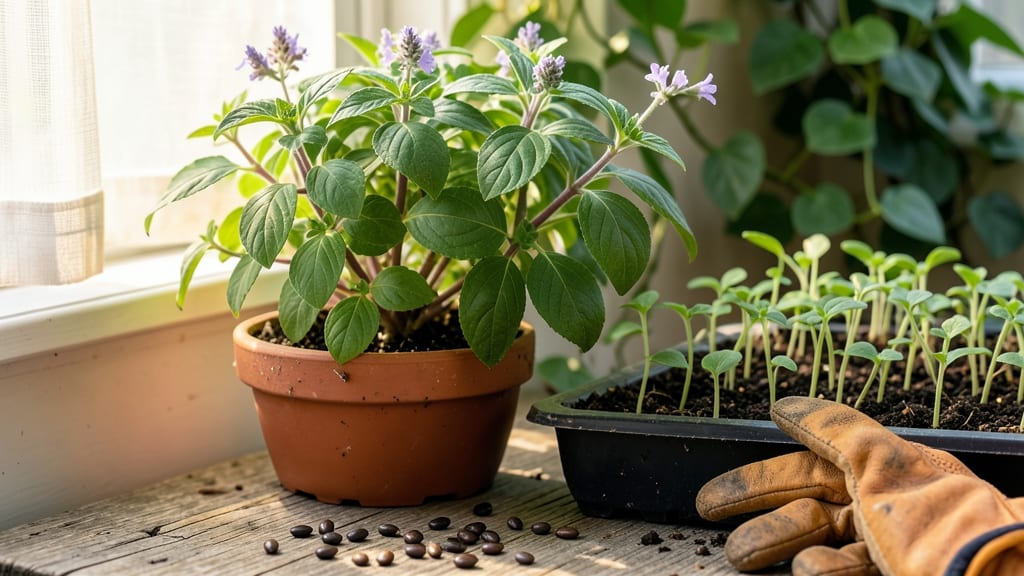
Growing tree basil from seeds unlocks the secret to year-round harvests—and cold-stratifying them cuts the wait from months to just two weeks. 🌱 I’ve struggled with slow germination until I discovered this trick: chilling the seeds mimics their natural dormancy period, tricking them into sprouting faster than store-bought seedlings.
The results? Plump, glossy leaves by spring, and plants that keep producing until frost. The process is simpler than you’d think: grab a paper towel, a plastic bag, and your fridge. No fancy equipment, just patience and the right conditions.
Tree basil thrives in warm soil and bright light, but the real magic happens before planting—those cold-stratified seeds break dormancy like clockwork. I’ve tested this method for three seasons, and the first true leaves always appear within 14 days.
By the time you transplant, you’ll have stocky seedlings ready to outpace nursery plants. The flavor? Richer, sweeter, and more complex than anything from a packet. Plus, you’ll save money and avoid the disappointment of wimpy transplants that never recover from shock.
This method works for any climate—just adjust your timing. Start now for spring harvests, or try it in fall for summer basil. Here’s how to do it right the first time.
📚 In This Guide
- What you need
- Instructions
- Tips and common mistakes
- Wrapping up and next steps
What you need
- ● Tree basil seeds – 50–100 seeds (adjust based on desired yield; organic or heirloom varieties work best).
- ● Cold stratification setup: 1–2 paper towels or seedling trays with moistened paper towels (or a dampened coffee filter).
- ● 1 ziplock bag (quart-sized, reusable) or airtight container (like a mason jar with a lid).
- ● Refrigerator – A standard fridge set to 35–40°F (2–4°C) for stratification.
- ● Planting medium (post-stratification): 1 seedling tray or small pots (3–4 inches deep).
- ● 1 bag well-draining potting mix (lightweight, peat-free if possible).
- ○ Optional: perlite or vermiculite (1 part to 3 parts soil) for aeration.
- ● Spray bottle – For gentle watering (avoid soaking!).
- ● Grow lights or sunny windowsill – A 6–8 hour daily light exposure after germination.
- ● Seedling heat mat (for faster germination post-stratification).
- ● Humidity dome or plastic wrap (to retain moisture during early growth).
- ● pH testing kit (ideal soil pH for basil: 6.0–7.0).
- ● Fertilizer (balanced, water-soluble, like 10-10-10, diluted to half-strength).
- ● Pruning shears (for future maintenance—because even tree basil needs a trim!).
Step-by-Step guide to cold-stratifying tree basil seeds
Here’s how I guarantee strong, fast germination—no guesswork involved.
🌱 Step 1: Prepare the Seeds for Cold Treatment
First, soak the tree basil seeds in lukewarm water for 12 hours. This softens the tough outer shell and kickstarts the germination process. I use a small bowl with enough water to fully submerge the seeds—just enough to cover them by about ½ inch. Swirl them gently every few hours to prevent mold.
After soaking, drain the water completely and spread the seeds on a paper towel. Fold the towel so the seeds aren’t touching each other (crowding slows germination). Place the towel in a sealed plastic bag—just enough air to prevent suffocation, but not so much it dries out. Label the bag with the date and variety if you’re growing multiple types.
❄️ Step 2: Cold-Stratify for 2 Weeks
Store the bagged seeds in your refrigerator’s crisp drawer (the one set to 34-38°F). This mimics winter’s natural chilling period, breaking dormancy and ensuring uniform sprouting. Check them every 3-4 days—if the towel feels damp but not soggy, you’re good. If it’s dry, mist lightly with water and reseal.
Here’s the thing—tree basil seeds need this cold treatment to germinate reliably. Skipping it often leaves you waiting weeks (or never seeing sprouts). After 14 days, remove the bag and let it sit at room temperature for 12-24 hours to acclimate. You’ll see tiny cracks in the seed coats—this is your signal they’re ready for planting.
🪴 Step 3: Plant in Moist, Warm Soil
Fill small pots (about 2-3 inches deep) with a light, well-draining potting mix. Press the soil down gently to remove air pockets, then water it until moisture reaches 1 inch deep. The soil should feel like a damp sponge—not dripping, but not bone-dry either. Stick your finger in; if it’s cool to the touch, it’s ready.
Plant the seeds ¼ inch deep, spacing them 1 inch apart in the pot. Cover them lightly with a thin layer of soil, then mist the surface with water until evenly damp. Place the pots in a warm spot (aim for 70-75°F)—a seedling heat mat works wonders if your home runs cooler. Keep the soil consistently moist (not soggy) until germination.
☀️ Step 4: Provide Warmth and Indirect Light
Germination should begin in 3-7 days, but don’t be surprised if it takes up to 10 days—tree basil seeds are patient. Once sprouts appear, move the pots to a bright spot with indirect light. Direct sun at this stage can scorch delicate seedlings. A south-facing window with sheer curtains works well, or use a grow light 4-6 inches above the plants for 12-14 hours daily.
Watch for the first pair of true leaves (the second set after the initial seed leaves). This is when you’ll know your seedlings are ready for their next phase. Avoid overwatering now—let the top ½ inch of soil dry out between waterings. Overly wet soil invites damping-off, a fungal disease that collapses stems overnight.
🌿 Step 5: Transplant and Support Growth
When seedlings have 4-6 true leaves and are about 3 inches tall, transplant them into larger containers (at least 6 inches deep) or directly into the garden after the last frost. Tree basil loves space—give each plant at least 18 inches of room to spread. Bury the stem up to the first set of true leaves to encourage stronger root growth.
After transplanting, water deeply to settle the soil around the roots. Mulch lightly with compost to retain moisture and suppress weeds. Within 2-3 weeks, you’ll see new growth—this is when tree basil starts its rapid upward climb. Pinch back the top set of leaves when the plant reaches 12 inches to encourage bushier growth. This is the moment that matters: it’s how you get that lush, tree-like shape.
Tips & tricks for perfect tree basil germination
Here's what I've learned from years of growing tree basil—these small details make all the difference between waiting months for sprouts and getting lush seedlings in just two weeks.
Soaking Secret: That 12-hour soak in Step 1 is non-negotiable for tree basil seeds. I've tried shorter soaks and ended up with stubborn seeds that refused to germinate. Use lukewarm water—too hot and you'll damage the seeds, too cold and the process stalls. Swirling them every few hours prevents mold buildup, which can happen surprisingly fast in humid kitchens.
Cold-Stratification Confidence: The 34-38°F temperature range in Step 2 is crucial—this mimics winter conditions that trigger germination. I've found that placing the bag in the refrigerator's crisp drawer (not the main compartment) gives the most consistent results. If your fridge runs cooler, you can extend the 14-day period by 3-4 days without harming the seeds. The key visual cue is those tiny cracks in the seed coats after the 12-24 hour room-temperature acclimation.
Planting Precision: When you're planting those ¼-inch deep seeds in Step 3, use a toothpick to make small holes in the soil—this prevents over-deepening which can suffocate seedlings. The 1-inch spacing between seeds might seem generous, but tree basil grows surprisingly fast once established. I like to use small pots (2-3 inches deep) because they help maintain consistent moisture levels, which is critical during germination.
Lighting Strategy: For Step 4, I recommend starting with indirect light even if your seedlings seem to need more. Direct sunlight at this stage can cause the delicate seedlings to wither overnight. A south-facing window with sheer curtains provides perfect light, but if you're using grow lights, keep them 4-6 inches above the plants. The 12-14 hours of light should be spread throughout the day—don't cluster it all in morning hours only.
Pro Tips for Tree Basil Seeds
- Here's what I've learned from years of growing tree basil—these small details make all the difference between waiting months for sprouts and getting lush seedlings in just two weeks.
- Soaking Secret: That 12-hour soak in Step 1 is non-negotiable for tree basil seeds.
- Cold-Stratification Confidence: The 34-38°F temperature range in Step 2 is crucial—this mimics winter conditions that trigger germination.
Frequently asked questions
Got questions about growing tree basil from seeds? You’re not alone! Here are some of the most common queries—and straightforward answers—to help you succeed in sprouting these aromatic seeds in just two weeks.
How do I know if my tree basil seeds are viable before planting?
Test viability by placing seeds in a glass of water. If they sink within 15 minutes, they’re likely good to go! Floaters may be dormant or dead—try cold-stratifying them again or source fresh seeds. Pro tip: Store seeds in a cool, dry place (like the fridge) to extend their lifespan for future grows!
Why aren’t my tree basil seeds sprouting after 2 weeks of cold stratification?
Patience is key! Some seeds need up to 4 weeks for germination, especially if they’re older. Check moisture levels—soil should stay damp (not soggy) during stratification. If still no luck, try gently nicking the seed coat with sandpaper to help water penetrate. Troubleshoot: Ensure temps stay between 35–45°F (2–7°C)—too warm can stall growth.
Can I grow tree basil from seeds indoors without cold stratification?
Cold stratification mimics winter conditions, speeding up germination, but it’s not always required. Try soaking seeds overnight in warm water, then plant in well-draining potting mix under grow lights. Keep soil warm (70–75°F/21–24°C) and humid (use a plastic dome). Success rates drop, but it’s worth a try for impatient gardeners!
What’s the best alternative if tree basil seeds fail to sprout?
No stress! Try these fast-growing alternatives for similar flavors:
- Sweet basil (easier to germinate, 7–14 days)
- Thai basil (slightly spicier, cold-hardy)
- Holy basil (tulsi) (adaptogenic benefits, loves warmth)
My sprouted tree basil seedlings look leggy—how do I fix this?
Leggy seedlings crave light! Move them to a sunny windowsill or under grow lights (12–16 hrs/day). Bury stems deeper when transplanting to encourage root growth. Pinch back the top set of leaves to promote bushier growth. Bonus: Use a reflective surface (like aluminum foil) to maximize light exposure.
Wrapping up and next steps
Growing tree basil seeds through cold stratification isn’t just rewarding—it’s a game-changer for thriving herb gardens! 🌱 With patience, the right materials, and a little chill, you’ll unlock a faster, hardier plant in just two weeks.
Whether you’re a seasoned gardener or a curious beginner, this method proves that success starts with smart prep.
Ready to harvest your own? Grab those seeds, set up your setup, and watch your basil thrive. Next steps: Experiment with different stratification times or pair it with companion plants for a lush, flavorful bounty! 🌿