
Pruning
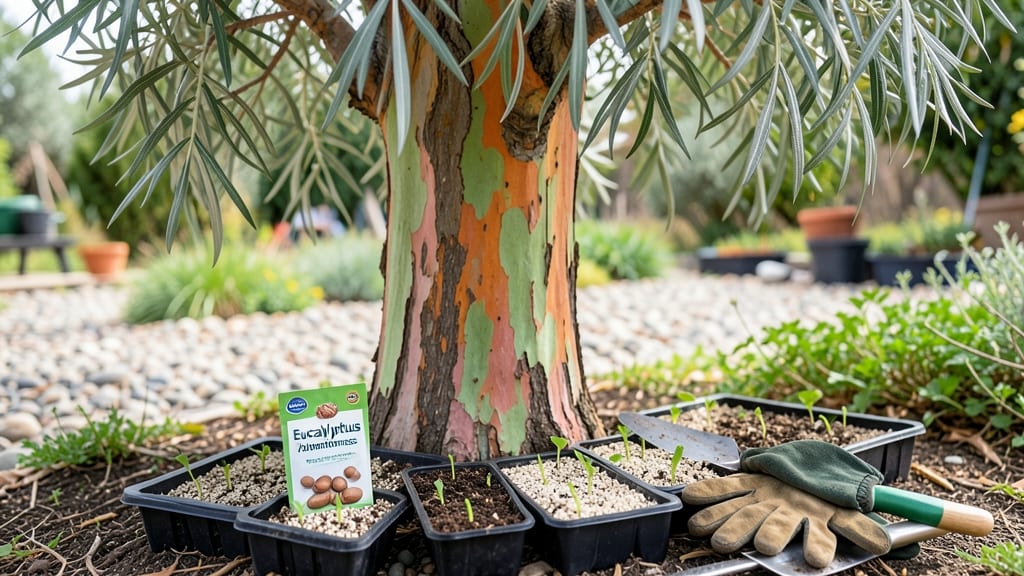
Growing rainbow gum tree seeds requires cold stratification—this 6-week trick mimics winter and tricks seeds into sprouting. 🌱 I’ve struggled with eucalyptus germination before, but this method finally worked, and the results are worth the patience.
The key is timing: start in late winter when temperatures dip naturally, and you’ll see tiny green shoots breaking through in just a few weeks.
These tropical seeds need cool, moist conditions to break dormancy, so don’t skip the stratification step. Fill a plastic bag with slightly damp peat moss or coconut coir, place the seeds inside, and refrigerate for 6 weeks.
The goal is to keep them consistently moist but not soggy—think of it like a damp sponge, not a swamp. Once you see roots forming, it’s time to plant.
By the time you transplant, you’ll have sturdy seedlings ready to handle the bright light they crave. Rainbow gums thrive in full sun and well-draining soil, so choose a spot with at least 6 hours of sunlight daily.
Water deeply but let the soil dry slightly between waterings—overwatering is the fastest way to kill these finicky seedlings.
This method works best in zones 9-11, but with a heat lamp or greenhouse, you can try it almost anywhere. The payoff? A fast-growing tree with stunning rainbow-colored bark that’ll be the envy of your neighborhood. Let’s get those seeds sprouting!
Natural Triggers for Germination
Rainbow gum tree seeds (Corymbia splendens) don’t just sprout on command—they follow nature’s cues to break dormancy. Understanding these triggers helps gardeners replicate them for faster, more reliable germination. Here’s why these seeds need specific conditions to wake up from their slumber.
Many eucalyptus seeds, including those from the rainbow gum tree, enter a state called physiological dormancy. This means their hard outer shell prevents water and oxygen from reaching the embryo, even if moisture and warmth are present. Cold stratification and signals the seed that it’s safe to grow.
During stratification, two key processes occur:
- Enzyme activation: Cold temperatures slow metabolic activity but trigger the production of enzymes that soften the seed coat.
- Hormonal shifts: Gibberellins (plant growth hormones) increase, breaking the seed’s dormancy cycle.
Actionable tip: For rainbow gum seeds, stratify for 4–6 weeks at 34–41°F (1–5°C). Use a damp paper towel or a mix of peat moss and sand in a sealed bag. 💡 Pro tip: Avoid freezing—consistent cold (not extreme) is key!
Some eucalyptus seeds require a heat shock—a brief exposure to high temperatures—to soften their tough outer layer. This is common in seeds with physical dormancy, where the seed coat itself is impermeable.
Heat shock works by:
- Expanding the seed coat: Rapid temperature changes create micro-cracks, allowing water absorption.
- Stimulating metabolic kickstart: A short burst of heat (like summer sun) can trigger the seed to “think” spring has arrived.
How to apply it: Place seeds in a dry oven at 160–180°F (71–82°C) for 2–5 minutes, then immediately stratify. ⚠️ Warning: Don’t overdo it—longer exposure can kill the embryo!
Once dormancy is broken, seeds need the right moisture-to-oxygen ratio to germinate. Too much water drowns the seed; too little starves it. Rainbow gum seeds thrive in:
- Light moisture: The seed coat must stay damp (not soggy) to allow oxygen diffusion.
- Aerated medium: A mix of perlite or coarse sand prevents compaction, which suffocates the seed.
Science behind it: Oxygen triggers respiration, which powers the embryo’s growth. Without it, the seed rots instead of sprouting. 🌡️ Ideal setup: Use a 50/50 mix of peat moss and perlite, mist lightly, and keep in a clear container to monitor moisture.
Key takeaway: Rainbow gum seeds are not lazy—they’re waiting for the perfect storm of cold, heat, and moisture. By mimicking these natural triggers, you can unlock their potential in just 6 weeks!
Practical steps for germinating rainbow gum seeds
If you’ve ever struggled with rainbow gum tree seeds sitting stubbornly in a pot, refusing to sprout, you’re not alone. These seeds often need a little extra encouragement to break dormancy and grow into vibrant trees. Below, we’ll tackle common germination challenges with clear, actionable solutions—plus tips to keep your seeds thriving long-term.
Rainbow gum seeds sometimes fail to sprout due to improper stratification or moisture issues. Here’s how to correct it:
🌡️ Cold Stratification: The Missing Link
If your seeds aren’t germinating after weeks, they may need cold stratification—a process that mimics winter conditions. Rainbow gum seeds often require 4–6 weeks in the fridge before planting.
- ✅ How to do it:
- Place damp paper towels in a sealed plastic bag with your seeds.
- Store them in the fridge (not the freezer) for 4–6 weeks.
- Check weekly for mold—remove any seeds that look slimy.
- 💡 Pro Tip: Label your bag with the date to track progress. Some seeds may need longer stratification—don’t give up after 4 weeks!
💧 Moisture Management: Too Wet or Too Dry?
Seeds left in dry soil won’t sprout, but overwatering can suffocate them. The key is consistent moisture without soggy conditions.
- ✅ Solution:
- Use a well-draining mix (50% potting soil, 50% perlite or sand).
- Water gently—enough to dampen the soil but not flood it. Think "sponge-squeezed," not "muddy puddle."
- Cover the pot with plastic wrap (with small holes) to retain humidity.
- 🔥 Warning: If the soil stays damp for more than a week, it’s too wet. Let it air out for a day before re-wrapping.
Once stratified, some seeds still take weeks to crack open. Boost their energy with warmth and light!
🔥 Warmth Acceleration (For Stubborn Seeds)
Rainbow gum seeds germinate faster in warmth (70–80°F). Try these methods:
- ✅ Option 1: Heat Mat
- Place your seed tray on a seedling heat mat (available at garden stores).
- Keep soil at 75°F—most seeds will sprout in 7–14 days.
- ✅ Option 2: DIY Warm Spot
- Set the pot on top of your fridge (not inside—just the top).
- Or place it near a sunny window with indirect light.
- 💡 Pro Tip: If using a heat mat, turn it off at night to prevent overheating.
☀️ Light Exposure: Too Dark or Too Harsh?
Seeds need light to germinate, but direct sun can dry them out. Balance is key!
- ✅ Ideal Setup:
- Place seeds in a bright, indirect light spot (e.g., east-facing window).
- Avoid south-facing windows in hot climates—use a sheer curtain to diffuse light.
- If indoors lacks light, add a grow light 12 inches above the pot for 12–14 hours/day.
- 🌡️ Prevention: Rotate the pot quarter-turn daily so seedlings grow straight (not lopsided).
Once you’ve got your seeds sprouting, keep them happy with these long-term strategies:
🌱 Soil & Pot Prep: The Foundation
Avoid compacted or nutrient-poor soil—it’s a recipe for failure.
- ✅ Do This:
- Use a light, airy mix (cactus/succulent soil + perlite works well).
- Choose small pots (2–3 inches deep) to prevent waterlogging.
- Add a thin layer of vermiculite on top to retain moisture without suffocating seeds.
- ❌ Avoid:
- Garden soil (too dense).
- Plastic containers without drainage holes (root rot risk!).
📅 Timing Your Planting for Success
Planting at the wrong time can delay germination. Rainbow gums thrive in spring or early fall.
- ✅ Best Planting Window:
- Spring (March–May): Start seeds indoors 8–10 weeks before last frost.
- Fall (September–October): Plant outdoors after soil temps drop below 80°F.
- 🌡️ Climate Hack: In hot areas, stratify seeds in fall and plant in winter for cooler germination.
🚫 Common Mistakes to Avoid
Even with the right steps, these pitfalls can derail your efforts:
| Mistake | Fix It |
|---|---|
| Overcrowding seeds in one pot | Thin seedlings to 2 inches apart once they’re 2 inches tall. |
| Using tap water high in chlorine | Let water sit out 24 hours before using or use filtered water. |
| Skipping the "test cut" on hard seeds | Nick the tough seed coat with a knife if no sprouts appear after 6 weeks. |
With these solutions, your rainbow gum tree seeds should be on their way to becoming lush, colorful additions to your garden in no time. Patience and consistency are key—don’t rush the process, and soon you’ll be rewarded with stunning, drought-tolerant trees that brighten up any landscape! 🌈🌱
Frequently asked questions
How long do rainbow gum tree seeds take to germinate after stratification?
After completing the 4–6 week cold stratification, rainbow gum seeds typically sprout within 7–21 days once moved to warm conditions. Some stubborn seeds may take up to 30 days—patience is key! Place them in a warm spot (70–80°F) with bright indirect light to speed things up.
Can I stratify rainbow gum seeds without a fridge?
Yes! If you don’t have fridge space, try the outdoor winter method: Plant seeds in a protected outdoor spot (like a cold frame) in late fall, cover with 2–3 inches of mulch, and let nature handle the cold stratification. They’ll experience natural temperature fluctuations until spring. Just check for mold weekly.
What’s the best soil mix for rainbow gum seedlings?
Use a fast-draining, airy mix like 50% cactus/succulent soil + 50% perlite or coarse sand. Avoid garden soil—it’s too dense and can cause root rot. Add a thin layer of vermiculite on top to retain moisture while preventing compaction. Seedlings hate soggy feet!
Why are my rainbow gum seeds moldy during stratification?
Mold appears when seeds stay too wet during stratification. Use damp (not soggy) paper towels or a 50/50 peat moss/perlite mix—squeeze out excess water. Check weekly and remove any moldy seeds immediately. If mold spreads, restart with fresh, slightly drier materials.
How do I know when to transplant rainbow gum seedlings?
Transplant when seedlings have 2–3 sets of true leaves (not just the initial seed leaves) and are about 3–4 inches tall. Harden them off for 7–10 days by gradually exposing them to outdoor conditions before moving to their permanent home. Choose a spot with full sun (6+ hours/day) and well-draining soil.