
Pruning
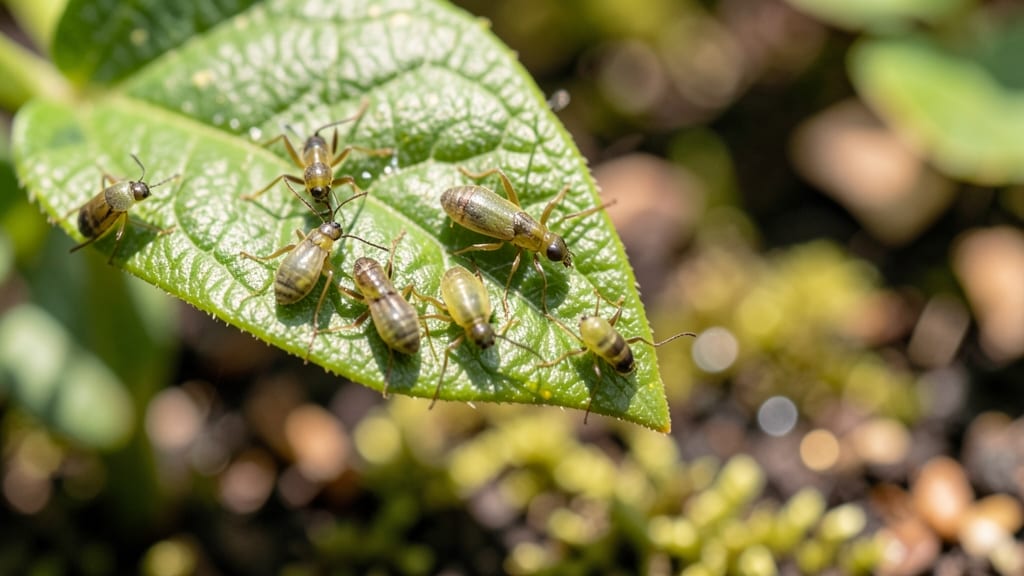
Tiny tree bugs might look harmless, but they’re silently stealing your tree’s health—and pruning is the secret weapon you’ve been missing. 🌳 I’ve seen spider mites turn lush leaves into dust and scale insects drain sap until branches wither.
The good news? You don’t need harsh chemicals to fight back. A few strategic cuts, targeted sprays, and smart timing can restore your tree’s vigor without harming the ecosystem.
These bugs thrive where trees are stressed—overcrowded branches, weak growth, or poor pruning habits create the perfect hiding spot. That’s why I start by removing infested limbs (burn them, don’t compost!) and opening the canopy for airflow.
Think of it like giving your tree a deep clean: less clutter means fewer bugs. For stubborn infestations, neem oil or insecticidal soap (applied when leaves are dry) disrupt their life cycle without poisoning the soil.
By next spring, your tree will bounce back with stronger branches, fuller foliage, and no more sticky residue on leaves. The key is acting fast—once bugs spread, they’re harder to control.
I’ve revived trees that looked doomed in just one growing season with this method. The best part? Your yard stays chemical-free while looking healthier than ever.
Not sure if it’s bugs or disease? Check for webbing, tiny black dots, or shell-like bumps—those are dead giveaways. For persistent problems, call an arborist, but 90% of cases improve with pruning and natural sprays. Your tree’s health starts with a sharp pair of shears and a little patience.
Root Causes of Tiny Tree Invaders
When your trees start hosting tiny, uninvited guests, it’s rarely random—these critters follow patterns rooted in nature, weather, and even your garden’s health. Understanding why they show up is the first step to kicking them out for good.
Below, we break down the science-backed reasons these tiny tree bugs move in, so you can address the real issues.
Trees, like people, thrive when they’re not cramped or overwhelmed. When trees experience nutrient deficiencies, poor soil drainage, or root competition from neighboring plants, their immune systems weaken. This stress makes them prime targets for pests like aphids, scale insects, or spider mites—tiny bugs that love feasting on weakened sap.
Why it happens:
- Competition for resources: Dense plantings or aggressive ground covers (like ivy or grass) steal water and nutrients, leaving trees malnourished. 🌿
- Compacted soil: Heavy foot traffic, construction, or clay-heavy soil restricts root growth, signaling distress to the tree.
- Improper pruning: Over-pruning or cutting at the wrong time (like late summer) stresses the tree, making it vulnerable to infestations.
Actionable fix: Test your soil’s pH and nutrient levels (a simple DIY kit works!), mulch properly (2–4 inches of organic mulch, kept away from the trunk), and prune only during dormant seasons (late fall/winter) to minimize stress. 🌡️
Tiny tree bugs are masters of adaptation—they thrive when conditions are just right for them. Changes in temperature, humidity, or rainfall create the perfect storm (literally) for infestations. For example:
| Weather Factor | How It Attracts Bugs |
|---|---|
| 🌞 Hot, Dry Spells | Drought-stressed trees produce more sugary sap, which attracts aphids and scale insects like a dessert buffet. 🍭 |
| 🌧️ Excessive Rain | Soggy soil and fungal growth (like powdery mildew) weaken trees, while moist leaves become breeding grounds for mites and psyllids. |
| ❄️ Unseasonably Warm Winters | Mild winters allow pests like emerald ash borers or spotted lanternfly nymphs to survive and multiply instead of freezing. |
Actionable fix:
- Install drip irrigation to keep roots hydrated without over-saturating the soil.
- Use shade cloth during extreme heat to protect young trees.
- Plant native, drought-resistant species (like oak or hickory) if your climate is prone to dry spells.
In a balanced ecosystem, tiny tree bugs are kept in check by birds, ladybugs, lacewings, and parasitic wasps. But when these natural predators disappear—due to pesticide overuse, habitat loss, or urbanization—bug populations explode. 🦋
Why it happens:
- Chemical imbalance: Broad-spectrum pesticides (like neonicotinoids) kill beneficial insects alongside pests, leaving trees defenseless.
- Monoculture landscapes: Planting only one type of tree (e.g., a row of maples) removes biodiversity, which predators rely on for food and shelter.
- Light pollution: Artificial lights at night disorient nocturnal predators like bats and moths, reducing their hunting efficiency.
Actionable fix:
- Introduce beneficial insects like ladybugs or praying mantises (buy them online or at garden centers!).
- Plant pollinator-friendly flowers (e.g., marigolds, dill, or yarrow) near trees to attract predator species.
- Switch to targeted, organic sprays (like neem oil or horticultural oil) that spare beneficial bugs.
Not all trees are created equal—some species are magnets for tiny bugs due to their natural chemistry or susceptibility. Even the healthiest tree can become a pest playground if planted in the wrong spot.
Why it happens:
- Susceptible species: Trees like willows, elms, or birches are notorious for attracting borers, leaf miners, or gall wasps due to their soft wood or high sap content.
- Bad airflow: Planting trees too close to buildings, fences, or other vegetation traps moisture and shade, creating a cozy environment for mites and fungi.
- Soil mismatches: Some trees (like redwoods) need acidic soil, while others (like crepe myrtles) thrive in alkaline conditions. A mismatch stresses the tree, making it bug bait.
Actionable fix:
- Research native, pest-resistant trees for your region (e.g., serviceberry or dogwood are tougher on bugs).
- Space trees 3–5 feet apart from structures and other plants to improve airflow.
- Test soil before planting and amend it with compost or sulfur to match the tree’s needs.
By tackling these root causes, you’re not just treating the symptoms—you’re starving the problem at its source. Next up: How to Outsmart These Tiny Invaders with natural pruning and DIY fixes! 🪓✨
Natural Ways to Control Tree Pests
Discovering tiny tree bugs munching on your prized plants can feel like a nightmare, but don’t worry—there are effective, eco-friendly solutions to restore balance without harsh chemicals. Below, we’ve mapped out targeted fixes based on the most common culprits, along with proactive tips to keep your trees thriving. 🌿🐞
These minuscule invaders drain sap, leaving sticky residue (honeydew) and weakening foliage. Here’s how to evict them:
🔥 Immediate Action: Manual Removal
- 👨🍳 Spray with soapy water (1 tsp mild dish soap + 1 quart water). Test on a small leaf first to avoid damage.
- 🌿 Use a strong stream of water to dislodge clusters from bark or undersides of leaves.
- 🔪 Prune heavily infested branches (sterilize shears with rubbing alcohol between cuts).
🌱 Long-Term Defense
- 💡 Introduce beneficial insects: Ladybugs, lacewings, and parasitic wasps (like Aphidius colemani) hunt these pests naturally. Buy them online or attract them with nectar-rich flowers.
- 🌡️ Apply horticultural oil (like neem or refined mineral oil) in early spring to smother eggs and young nymphs. Reapply after rain.
- ✨ Mulch with wood chips to deter ants (which "farm" aphids for honeydew).
These wood-eating pests tunnel under bark, causing wilting or sawdust-like frass. Act fast—they multiply quickly!
🔪 Emergency Treatment: Trap and Trap Again
- 🌳 Set up pheromone traps (species-specific) near the tree’s canopy. Check weekly and reset lures.
- 🍳 Drill small holes (¼ inch) into the bark and inject borer-killing bacteria like Bacillus thuringiensis (Bt) or Bacillus popilliae (milky spore).
- 🔥 Remove infested wood immediately. Burn or bury it far from your yard to prevent spread.
🌿 Preventative Barriers
- 💡 Wrap tree trunks with sticky tree bands (like Tanglefoot) in early spring to trap crawling adults.
- 🌡️ Keep trees healthy: Stress-free trees resist borers. Water deeply during droughts and avoid wounding bark with tools.
- ✨ Plant companion species: Some trees (like Paulownia) repel borers naturally. Consult a local nursery for regional pairings.
Though not true bugs, these arachnids spin webs and suck juices, causing stippled leaves. Combat them with these tricks:
🌿 Quick Fixes
- 👨🍳 Blast off mites with a strong spray of water (early morning works best).
- 🌳 Use kaolin clay (like Surround WP) to create a protective film that mites can’t cross. Reapply after rain.
- 🔥 Apply neem oil (1% solution) every 5–7 days until mites vanish. Avoid spraying in direct sunlight.
💡 Proactive Care
- 🌡️ Increase humidity around trees with drip irrigation or mulch to deter mites (they thrive in dry conditions).
- 🎯 Encourage predators: Release Phytoseiulus persimilis (a mite-eating mite) or attract birds with nearby berry bushes.
- ✨ Avoid broad-spectrum pesticides—they kill beneficial insects that keep mites in check.
An ounce of prevention saves gallons of frustration. Try these habits:
- 💡 Inspect trees regularly: Check for early signs (holes, frass, webbing) every 2–4 weeks during growing season.
- 🌿 Prune for airflow: Thin dense branches to reduce hiding spots and moisture buildup.
- 🌡️ Feed the soil: Healthy roots = strong defenses. Use compost or mycorrhizal fungi to boost tree vitality.
- 🎯 Rotate natural remedies: Don’t rely on one solution. Mix up soapy sprays, oils, and beneficial insects to avoid resistance.
With these targeted strategies, you’ll reclaim your trees without resorting to chemicals. 🌳💚 Remember: Early action is key—the sooner you intervene, the easier the cleanup!
Frequently asked questions
What are the most common tiny tree bugs I should watch for?
Look for aphids, spider mites, scale insects, and bark beetles—these are the top culprits. Aphids leave sticky honeydew, mites create fine webbing, scale looks like tiny bumps on bark, and beetles leave sawdust-like frass. Regular inspections (every 2-4 weeks) catch them early.
Can I use vinegar spray to kill tiny tree bugs?
Yes, but with caution! A 1:1 vinegar-water mix (plus a drop of dish soap) works on soft-bodied pests like aphids. Spray directly on bugs in early morning to avoid burning leaves. Avoid using on drought-stressed trees—vinegar can further damage them.
How do I know if my tree has a serious infestation?
Watch for wilted leaves, excessive leaf drop, or sawdust-like frass at the base of the trunk. If you see large numbers of adult bugs, webbing covering branches, or oozing sap, it’s time for aggressive treatment—prune heavily, apply targeted sprays, and consider professional help.
Will pruning alone solve my tiny bug problem?
Pruning helps by removing infested branches and improving airflow, but it’s just one tool. For best results, combine pruning with soapy water sprays, neem oil, or beneficial insect releases. Focus on thinning dense areas and removing dead/diseased wood first.
Are there any trees that naturally repel tiny bugs?
Yes! Native trees like serviceberry, dogwood, and oak are tougher on pests. Their natural defenses make them less appealing. For existing trees, plant marigolds or yarrow nearby—these flowers attract predator insects that eat tiny bugs naturally.