
Trees
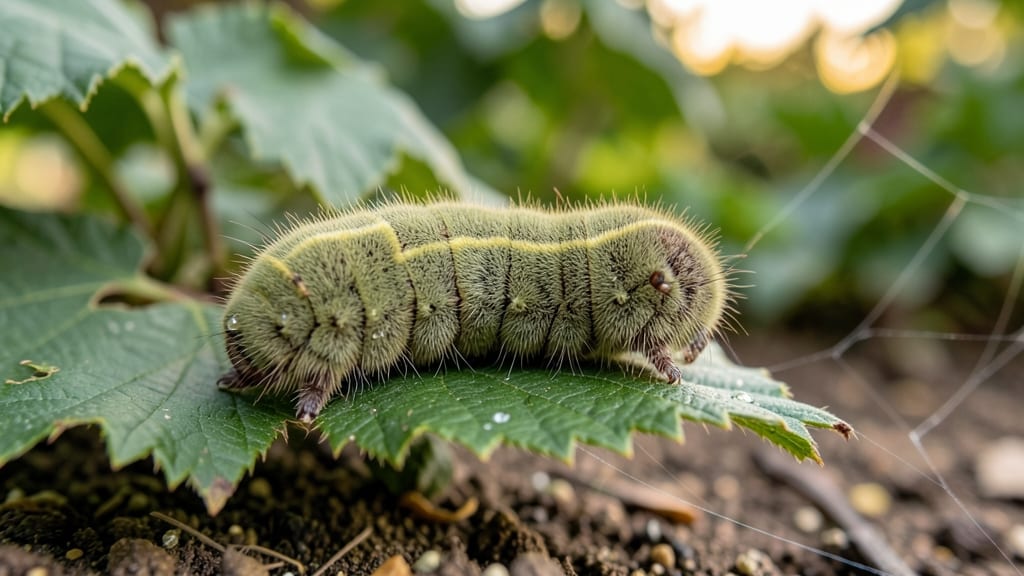
Mulberry tree bugs can turn your lush canopy into a skeleton in weeks—aphids, scale, and spider mites all love the sweet sap. 🌿 I’ve watched my own mulberries go from vibrant green to sticky, spotted leaves, and I’ll show you how to stop the damage without harsh chemicals.
The first sign is usually a fine webbing on leaves (spider mites) or black sooty mold (aphids and scale). These pests thrive in dry heat, so consistent watering and pruning to improve airflow are your first defenses.
I’ve seen entire infestations collapse after just one targeted spray of neem oil or insecticidal soap. You’ll reclaim those leaves faster than you think—within 2-3 weeks of treatment, you’ll spot new growth pushing through.
The key is catching it early, before the bugs move to the branches where they’re harder to reach. Works for both young trees and mature ones, and the same methods protect nearby plants too. Let’s get your mulberry back to its thriving best!
Root Causes of Mulberry Tree Pests
Understanding why mulberry trees attract pests like bugs, mites, or insects is key to preventing and managing infestations. Below are the most common reasons, backed by science and practical insights.
---
Mulberry trees under stress are far more vulnerable to pests.
When trees are overcrowded, they compete for sunlight, water, and nutrients, weakening their natural defenses. Stress factors like poor soil quality, drought, or root damage (e.g., from construction or compacted soil) trigger chemical signals that attract pests as a survival mechanism.
Actionable Insight: - Prune wisely: Remove dead or diseased branches to improve airflow and reduce hiding spots for bugs. - Mulch properly: Apply 2–4 inches of organic mulch (like wood chips) to retain moisture and regulate soil temperature. - Water deeply but infrequently: Encourage strong root growth by watering at the base, not the leaves, to prevent fungal issues.
---
Bugs thrive when mulberry trees lack essential nutrients, particularly nitrogen, phosphorus, or potassium.
A deficiency weakens the tree’s cell walls, making it easier for pests like aphids, spider mites, or scale insects to feed on sap. Soil pH imbalances (too acidic or alkaline) also disrupt beneficial microbes that protect plants.
Actionable Insight: - Test your soil: Use a DIY kit or send a sample to a local extension office to check pH and nutrient levels. - Amend soil naturally: - Nitrogen: Add composted manure or coffee grounds. - Phosphorus: Use bone meal or rock phosphate. - Potassium: Banana peels (composted) or wood ash (sparingly). - Avoid over-fertilizing: Excess salts from synthetic fertilizers can burn roots, worsening stress.
---
Mulberry trees produce high-sugar sap, which is a magnet for sap-sucking insects like aphids, whiteflies, and mealybugs. These pests don’t just damage leaves—they also excrete honeydew, a sticky substance that fosters sooty mold, further stressing the tree.
Actionable Insight: - Monitor young leaves: New growth is especially attractive to pests—inspect regularly for clusters of tiny bugs. - Disrupt their cycle: Use neem oil (a natural repellent) or insecticidal soap to break their feeding patterns. - Encourage predators: Ladybugs, lacewings, and parasitic wasps feed on these pests—plant companion flowers (like marigolds) to attract them.
---
A healthy mulberry tree ecosystem includes natural predators that keep pest populations in check. However, if the tree is isolated or the surrounding environment lacks biodiversity (e.g., no birds, bees, or ground-dwelling insects), pests can multiply unchecked.
Actionable Insight: - Create a pest-free habitat: - Plant native flowers (e.g., dill, fennel) to attract predatory insects. - Install birdhouses to encourage insect-eating birds like chickadees or wrens. - Avoid broad-spectrum pesticides: These kill both pests and their natural enemies, creating a vacuum that pests rush to fill.
--- Extreme weather—whether prolonged drought, sudden heatwaves, or excessive humidity—disrupts a mulberry tree’s resilience.
For example: - Drought stress weakens leaves, making them easier targets for mites. - High humidity promotes fungal growth, which attracts sap-sucking insects. - Late-spring freezes can stunt new growth, leaving trees vulnerable to early infestations.
Actionable Insight: - Mulch in summer: Helps retain moisture during heatwaves. - Water during dry spells: Deep watering (1–2 inches per week) reduces drought stress. - Prune after frost: Remove damaged branches to prevent fungal entry points.
--- While mulberry trees are hardy, human mistakes can invite pests: - Overwatering leads to root rot, which attracts fungus gnats and other moisture-loving insects. - Mechanical damage (e.g., from lawnmowers or trimming tools) creates wounds where pests like bark beetles can enter.
Actionable Insight: - Check drainage: Ensure your tree isn’t sitting in a low spot where water pools. - Seal wounds: Use pruning paint on large cuts to prevent bacterial infections. - Keep grass trimmed: Avoid mowing too close to the trunk to prevent bark damage.
Practical ways to stop mulberry tree pests
When your mulberry tree starts showing signs of leaf damage or unwanted critters, acting fast can save its health—and your patience! Below are targeted solutions for the most common culprits, from organic sprays to hands-on fixes.
Each method is designed to be effective and easy to implement, whether you’re a gardening newbie or a seasoned green thumb.
**🔥 Cause: Clusters of sticky honeydew, yellowing leaves, or fine webbing on undersides. 🍳 Fix: - Blast them away: Use a strong stream of water from your hose to dislodge aphids (especially in early morning). - Neem oil spray: Mix 1 tbsp neem oil + 1 tsp mild soap in 1 quart of water. Spray both leaf surfaces weekly until gone. - Beneficial insects: Release ladybugs or lacewings—they love eating aphids! 💡 Prevention Tip: - Prune regularly to improve airflow (aphids thrive in crowded branches). - Encourage natural predators by planting marigolds or dill nearby. 🔥 Cause: Rolled-up leaves with chewed edges or tiny white moths fluttering at dusk. 👨🍳 Fix: - Handpick larvae: Wear gloves and pluck off rolled leaves (drop them in soapy water). - Bacillus thuringiensis (Bt): A natural bacteria spray that kills caterpillars without harming bees. Reapply after rain. - Row covers: Use lightweight fabric over young trees to block adult moths from laying eggs. 🌡️ Pro Tip: - Check leaves weekly in spring/summer—early action stops infestations fast! 🔥 Cause: White/brown bumps on stems or leaves, plus a sticky residue (sooty mold risk). 🥘 Fix: - Scrape them off: Use a soft brush dipped in rubbing alcohol to wipe away clusters. - Horticultural oil: Apply dormant oil in late winter (follow label rates) to suffocate eggs. - Prune heavily: Remove infested branches and burn/dispose of them off-site. ✨ Prevention Tip: - Avoid over-fertilizing—scale insects love stressed trees! 🔥 Cause: Jagged holes in leaves or beetles feasting in groups. 🔪 Fix: - Handpick & drown: Drop beetles into soapy water (do this in the morning when they’re sluggish). - Milky spore powder: A natural bacteria that targets grubs in the soil (best applied in early summer). - Traps (use carefully!): Place traps far from your tree to avoid attracting more beetles. 🎯 Pro Tip: - Water deeply—stressed trees attract more beetles! | Problem | Quick Fix | Long-Term Solution** | |---------------------------|----------------------------------------|--------------------------------------| | Weak growth | Fertilize with compost or balanced NPK | Mulch around the base (3–4 inches) | | Fungal issues | Copper fungicide spray | Improve drainage | | Nutrient deficiency | Epsom salt spray (for magnesium) | Soil test + targeted amendments |Remember: Consistency is key! Most pests return if you don’t follow up. For severe cases, consult a local arborist—but with these methods, your mulberry tree can bounce back naturally and stronger.
Frequently asked questions
What are the most common mulberry tree bugs I should watch for?
Aphids, spider mites, scale insects, and Japanese beetles are the top culprits. Aphids leave sticky honeydew, spider mites create fine webbing, scale insects appear as bumps on leaves, and beetles chew irregular holes. Check both leaf surfaces and branch undersides regularly.
How do I tell if my mulberry tree has a bug problem?
Look for yellowing leaves, sticky residue (honeydew), visible insects, or tiny webs. Turn leaves over—aphids and mites love hiding there. Early signs include curled leaves or chewed edges. Act within 2-3 weeks to prevent spread.
Is neem oil safe for mulberry trees?
Yes! Neem oil is organic and effective against most mulberry pests. Mix 1 tablespoon with 1 quart of water and 1 teaspoon of mild soap. Spray leaves thoroughly in the evening to avoid harming bees. Reapply every 7-10 days for severe infestations.
Can I use chemical pesticides on my mulberry tree?
Only as a last resort! Chemicals can harm beneficial insects and pollute nearby plants. Start with organic solutions like insecticidal soap or horticultural oil. If you must use chemicals, choose systemic options (like imidacloprid) and follow label instructions carefully.
How often should I inspect my mulberry tree for bugs?
Check every 2 weeks during growing season (spring-fall). Focus on new growth—pests target tender leaves first. After heavy rains or during droughts, increase inspections. Early detection keeps treatments simple and effective.