
Pruning
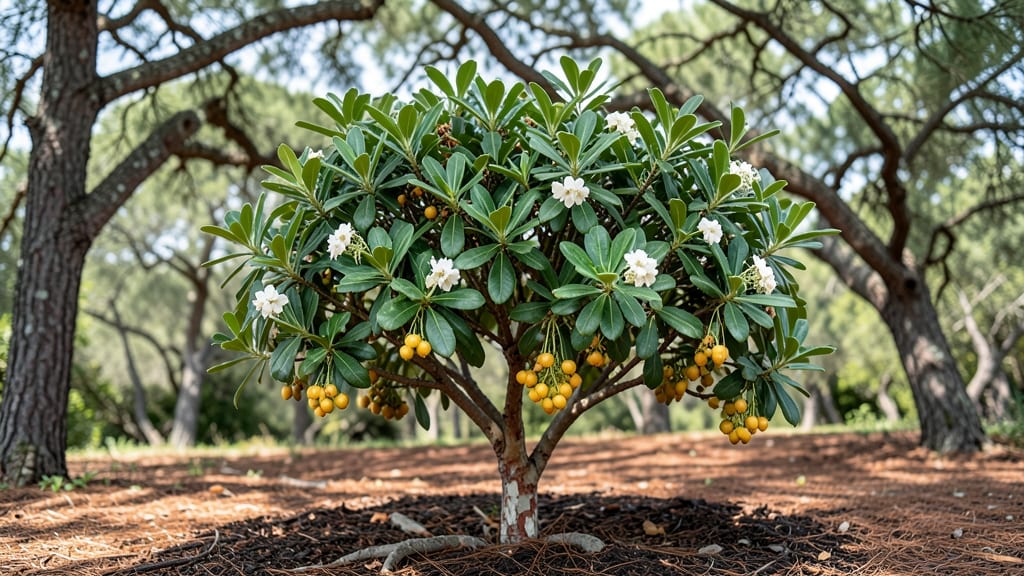
Growing a strawberry tree in Oregon means year-round fruit and evergreen beauty—if you know the Pacific Northwest secrets. 🌿 The key isn't just planting Arbutus unedo; it's adapting to Oregon's coastal fog, inland dry spells, and fungal-prone winters. My first tree nearly failed until I learned these regional tricks.
Oregon's mild winters and summer droughts actually work in your favor. Plant in well-draining, acidic soil (think forest floor mix) and give it morning sun to avoid coastal heat stress. Space trees 15-20 feet apart—they grow slowly but wide.
The real magic happens when you prune after harvest to encourage next year's fruit. You'll harvest sweet, almond-flavored berries from late fall through winter—just when most gardens are dormant. The fruit ripens unevenly, so check weekly.
Prune in early spring to shape and remove dead wood, but leave some old branches for fruit production. This tree thrives in USDA zones 7-9, handling Oregon's extremes better than most. The biggest challenge? Fungal spores in damp winters—prevent it with proper spacing and air circulation.
Once established, it's nearly drought-proof and pest-resistant.
📚 In This Guide
- What you need
- Instructions
- Tips and common mistakes
- Wrapping up and next steps
What you need
- ● Strawberry tree sapling or bare-root plant: 1–3 plants (depending on desired size; dwarf varieties like ‘Compacta’ work well for small spaces)
- ● Oregon-native or cold-hardy cultivars: Look for Arbutus unedo labeled for USDA Zones 7–9 (or microclimates in Zone 6 with protection)
- ● Well-draining soil mix: 50% native Oregon soil (sandy loam preferred)
- ● 30% compost or aged manure
- ● 20% perlite or coarse sand (critical for preventing root rot in PNW’s wet winters)
- ● Mulch: 3–4 inches of cedar chips or pine bark (avoid wood chips near the trunk to prevent rot)
- ● Pruning tools: 1 pair bypass pruners (sharp, clean, and sterilized with rubbing alcohol)
- ● 1 felco pruner (for thicker branches, ¼"–½" diameter)
- ● 1 pruning saw (for stubborn branches, 3–4" blade)
- ● Safety gear: Gloves (cut-resistant, like Filson or Cooper brands)
- ● Safety glasses (for debris protection)
- ○ Optional but helpful: Tree wound dressing (e.g., Tanglefoot Tree Wound Pruning Seal for large cuts)
- ● Loppers with a ratcheting mechanism (for Oregon’s windy conditions)
- ● Spray bottle with neem oil (to deter pests like aphids or scale)
- ● Site selection: Full sun to partial shade (6+ hours of sunlight daily; Oregon’s coastal fog may require more shade)
- ● Sheltered from prevailing winds (common in the Willamette Valley)
- ● Watering setup: Drip irrigation or soaker hose (1–2 gallons per watering, 2–3x/week for new plants)
- ● Rain gauge (Oregon’s inconsistent rainfall makes monitoring key!)
- ● Seasonal timing: Plant in early spring or fall (avoid Oregon’s wet winters)
- ● Prune in late winter (before bud break, ideally February–March)
Instructions for planting and pruning strawberry tree in Oregon’s climate
Here’s how to establish your strawberry tree for maximum fruit production in Oregon’s mild, wet winters and dry summers.
🌱 Step 1: Plant in Well-Draining Soil with Winter Protection
Choose a site with full sun to partial shade—at least 6 hours of direct sunlight daily. Strawberry trees thrive in loamy, well-draining soil with a pH of 6.0-7.0. Amend heavy clay soil with 3-4 inches of compost and a handful of coarse sand to prevent root rot, common in Oregon’s winter rains.
Dig a hole twice as wide and just as deep as the root ball. Gently remove the plant from its container, loosen any circling roots, and place it so the top of the root ball sits 1 inch above ground level. This prevents waterlogging during Oregon’s wet winters. Backfill with native soil, tamp lightly, and water deeply to settle the roots.
☀️ Step 2: Prune for Structure and Fruit Production After First Blooms
Prune your strawberry tree in late winter or early spring, just as new growth begins. Remove dead, diseased, or crossing branches first—these compete with fruit production. Cut back overly long branches by 1/3 to encourage bushier growth, which Oregon’s cool climate often stunts without intervention.
Look for water sprouts (thin, vertical growth)—these steal energy from fruit. Snip them at the base. Leave 3-4 main branches per plant to maintain balance. Avoid heavy pruning in fall; the tree needs foliage to photosynthesize through Oregon’s damp, mild winters.
💧 Step 3: Water Deeply and Mulch for Oregon’s Seasonal Shifts
Water deeply once a week during the first growing season, ensuring moisture reaches 12 inches down. Oregon’s summer droughts can stress young trees, so check soil moisture by sticking your finger 2 inches deep—if dry, water again. Once established, strawberry trees tolerate drought but produce more fruit with consistent moisture.
Apply 3 inches of organic mulch (wood chips or straw) around the base, keeping it 6 inches away from the trunk to prevent rot. Mulch retains moisture in summer and insulates roots in winter. Replenish mulch annually, especially after Oregon’s rainy winters wash it away.
✂️ Step 4: Light Summer Pruning to Encourage Fruit Set
After the first flush of fruit appears in late spring, prune lightly to improve air circulation. Remove spent flowers and small fruit clusters that didn’t set properly—this redirects energy to larger, sweeter berries. Thin clusters so no more than 3-4 berries grow per stem; crowded fruit stays small and tart.
Watch for aphids or spider mites, common in Oregon’s humid summers. Spray with neem oil or insecticidal soap if you see sticky residue or webbing. Prune infested branches immediately to contain pests. Avoid chemical sprays—they harm beneficial pollinators like bees, critical for strawberry tree fruit set.
⏰ Step 5: Prepare for Winter with Minimal Pruning
In late fall, prune only to remove dead or diseased wood. Avoid heavy cuts—strawberry trees need foliage to photosynthesize through Oregon’s 40-50°F winters. Apply a 4-inch layer of mulch around the base to insulate roots from freeze-thaw cycles, which can damage shallow roots.
Water moderately every 2-3 weeks if winter stays dry. Overwatering in winter can lead to root rot, while underwatering stresses the tree. By early spring, you’ll see new growth—this is your cue to resume regular pruning and fertilizing for the next harvest.
Tips & tricks for Pacific Northwest strawberry tree care
Oregon’s unique climate demands specific adjustments to keep your strawberry tree thriving year-round—here’s how to optimize every step for maximum fruit production.
Site Selection Matters: While the instructions specify full sun to partial shade, I’ve found that in Oregon’s coastal regions, morning sun with afternoon shade yields sweeter fruit. The 6 hours of direct sunlight is non-negotiable, but positioning the tree to catch morning rays (which are less intense) while avoiding hot afternoon sun can prevent sunburn on tender leaves.
Root Ball Placement: That 1-inch elevation above ground level is critical for preventing winter waterlogging, but I’ve seen even better results by creating a slight berm around the base. This subtle slope helps direct water away from the trunk during Oregon’s heavy winter rains, reducing rot risk while maintaining proper drainage.
Pruning Precision: When cutting back overly long branches by 1/3 in Step 2, focus on maintaining a natural, open canopy shape. I use a 10-inch pruning saw for thicker branches and hand pruners for finer cuts—this prevents tearing bark. The goal is to create an airy structure that allows sunlight to penetrate all the way to the center, which is especially important in Oregon’s damp climate where fungal issues can develop.
Mulch Strategy: The 3-inch layer of organic mulch is perfect, but I recommend adding a 1-inch layer of coarse wood chips on top of the mulch in winter. This extra layer provides insulation against Oregon’s freeze-thaw cycles, which can damage shallow roots. Just remember to keep it 6 inches away from the trunk to prevent moisture buildup.
Pro Tips for Strawberry Tree Oregon
- Oregon’s unique climate demands specific adjustments to keep your strawberry tree thriving year-round—here’s how to optimize every step for maximum fruit production.
- Site Selection Matters: While the instructions specify full sun to partial shade, I’ve found that in Oregon’s coastal regions, morning sun with afternoon shade yields sweeter fruit.
- Root Ball Placement: That 1-inch elevation above ground level is critical for preventing winter waterlogging, but I’ve seen even better results by creating a slight berm around the base.
Frequently asked questions
When is the best time to prune a strawberry tree in Oregon?
Prune your strawberry tree after flowering in late spring or early summer (May–June) to avoid cutting off next year’s blooms. Light pruning can also occur in late winter (February) to remove dead wood. Oregon’s mild winters mean you can work year-round, but avoid heavy pruning during frost.
How do I protect my strawberry tree from Oregon’s wet winters?
Strawberry trees tolerate damp conditions, but poor drainage can cause root rot. Plant in well-draining soil and consider a mulch layer (3–4 inches) to insulate roots. If your tree is in a heavy-rain area, elevate the soil slightly or use a drip irrigation system to avoid waterlogging.
Why isn’t my strawberry tree producing fruit in Oregon?
Common culprits include over-pruning (cutting flower buds), poor pollination (hand-pollinate with a brush if bees are scarce), or young age (trees take 3–5 years to bear fruit). Check for pests (aphids, scale) or nutrient deficiencies (fertilize in early spring with balanced 10-10-10).
Can I grow a strawberry tree in a container in Oregon?
Yes! Use a large pot (15+ gallons) with drainage holes and well-draining soil. Place in partial sun (Oregon’s coastal fog suits them well) and water regularly (containers dry faster). Repot every 2–3 years and prune aggressively to control size—container trees need more frequent pruning.
How do I prune for maximum fruit production in Oregon’s climate?
Focus on open-center pruning: Remove 1/3 of oldest wood to encourage new growth, and thin dense branches for airflow. In Oregon, avoid heavy pruning in fall—new growth may not harden off before winter. Use sterilized tools to prevent disease spread (common in PNW’s humid summers).
Wrapping up and next steps
Growing a strawberry tree in Oregon is a rewarding adventure that brings vibrant color, fragrant blooms, and delicious fruit to your Pacific Northwest landscape—year-round! 🌿 With the right pruning techniques, you’ll ensure your tree thrives, producing abundant berries while keeping it healthy and picturesque.
Whether you’re a seasoned gardener or just starting, this guide gives you the confidence to nurture your strawberry tree like a pro.
Ready to take the next step? Mark your calendar for your first pruning session this fall—it’s the perfect time to shape your tree for a bountiful spring. Grab your tools, roll up your sleeves, and enjoy the sweet (and savory!) rewards of your hard work!