
Pruning
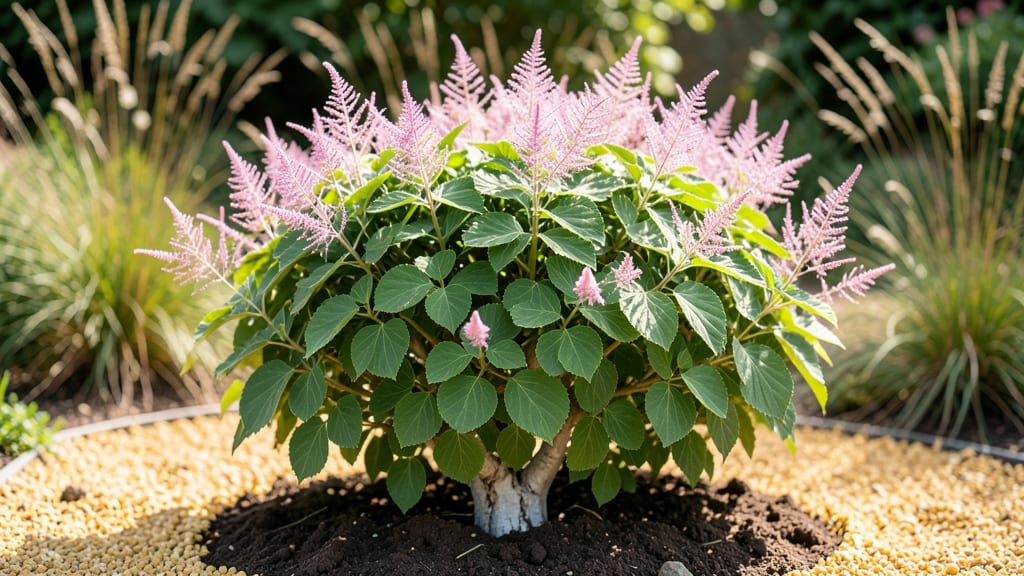
Smoke tree colors turn your garden into a living painting—deep purples, soft pinks, and chartreuse all in one plant. 🌿 I fell for this tree when I saw how it transformed my dull corner into a year-round showstopper, especially when the leaves shift from spring's pale green to fall's fiery reds and oranges.
The magic happens in layers: plant 'Royal Purple' near white hydrangeas to make both colors pop, or tuck 'Grace' in front of evergreens for a soft, smoky contrast. These trees thrive in full sun to partial shade, making them versatile for almost any landscape.
Their wispy branches add movement, while the bold foliage steals the show. You'll get drama without fuss—minimal pruning needed, drought-tolerant once established, and colors that evolve with the seasons. The best part? They stay compact enough for smaller yards but make a statement in big spaces too.
For maximum impact, group them with plants that complement their shifting hues: blues and silvers in summer, warm reds and golds in fall. The contrast creates visual depth that keeps your garden interesting all year long.
📚 In This Guide
- What you need
- Instructions
- Tips and common mistakes
- Wrapping up and next steps
What you need
- ● Pruning shears: Sharp, bypass-style shears (for small branches, 1/4" to 3/4" diameter)
- ● Loppers: Heavy-duty, bypass or anvil type (for branches 1" to 2" in diameter)
- ● Pruning saw: Curved-tooth saw (for branches 2"+ in diameter)
- ● Gloves: Heavy-duty gardening gloves (cut-resistant for safety)
- ● Ladder or step stool: Sturdy, extendable (if tree exceeds 8 feet)
- ● Disinfectant: 70% isopropyl alcohol or bleach solution (1 part bleach to 9 parts water)
- ○ Pruning sealant (optional): Tree wound sealant (for large cuts, 1/2" or wider)
- ● Weather check: Prune on a dry, calm day (avoid wind or rain)
- ● Safety glasses: Protect eyes from debris
- ● Long sleeves/pants: Cover arms and legs to prevent scratches
- ● First-aid kit: Bandages and antiseptic wipes (just in case!)
- ● Trash bags: For collecting pruned branches and debris
- ● 🔥 Timing: Prune smoke trees in late winter or early spring (before new growth) for best results.
- ● 🌡️ Temperature: Avoid pruning if temps are below 40°F (4°C)—it stresses the tree.
- ● ✨ Cleanup: Sterilize tools between cuts to prevent disease spread.
How to select and plant smoke trees for stunning year-round color
Here’s my go-to approach for planting smoke trees that deliver bold foliage drama all year—no guesswork involved.
🌿 Step 1: Choose the Right Smoke Tree Variety for Your Climate
Smoke trees (Cotinus) come in stunning colors like ‘Royal Purple,’ ‘Grace,’ or ‘Velvet Cloak,’ each with slightly different light needs. For full sun (6+ hours daily), ‘Grace’ delivers fiery reds and oranges in fall, while ‘Royal Purple’ thrives in partial shade (4-6 hours sun) with deep burgundy leaves. Check your hardiness zone—most smoke trees handle USDA Zones 5-8, but ‘Grace’ extends to Zone 4.
I always plant at least two varieties for layered color. For example, ‘Velvet Cloak’ (silvery-blue foliage) pairs beautifully with ‘Royal Purple’ to create contrast. Avoid planting near concrete—roots can crack pavement over time.
☀️ Step 2: Pick the Perfect Spot with Light and Space
Smoke trees need 6-8 feet of space to mature, so don’t crowd them. A south- or west-facing spot ensures vibrant fall colors, but they’ll tolerate morning sun + afternoon shade too. The key is avoiding hot afternoon sun in dry climates—leaves scorch and lose their drama.
I test the spot by observing how sunlight moves across it for a week. If the area stays dry and hot after 2 PM, add a 2-3 inch mulch layer (like shredded bark) to retain moisture. Smoke trees hate soggy roots, so ensure well-draining soil—amend heavy clay with compost or sand if needed.
🪴 Step 3: Plant at the Right Depth and Water Deeply
Dig a hole twice as wide as the root ball but no deeper—planting too low suffocates roots. Loosen the root ball gently if roots are circling. Place the tree so the top of the root ball sits 1 inch above ground level (it’ll settle slightly). Backfill with native soil mixed with compost (use the 2 gallons you’ve prepped).
Water deeply right after planting—1-2 gallons—to eliminate air pockets. I like to water again in 7-10 days to encourage root growth. Avoid overwatering; smoke trees are drought-tolerant once established but need consistent moisture the first year.
✂️ Step 4: Prune for Shape and Encourage Lush Foliage
Prune in late winter or early spring (before new growth) to shape the tree. Remove dead or crossing branches first, then trim back 1/3 of the oldest stems to the ground to rejuvenate. Smoke trees bloom on new wood, so don’t worry about cutting back—more pruning = bushier growth.
For year-round color, I lightly prune spent flower plumes in summer (they add texture but can look messy). Never prune after mid-August—new growth won’t harden off before frost. Fertilize lightly in spring with balanced 10-10-10 (use 1/4 cup per tree) if leaves look pale.
💧 Step 5: Maintain for Long-Term Vibrant Foliage
Water deeply once a week in dry spells (check soil—if the top 2 inches feel dry, it’s time). Mulch annually with 2-3 inches of shredded bark to protect roots and retain moisture. Smoke trees rarely need pesticides, but watch for spider mites (tiny webs on leaves)—spray with neem oil if you see them.
Fall is the real payoff: leaves shift from summer greens to deep purples, oranges, or silvers. To prolong color, avoid fertilizing after mid-summer—it encourages late growth that frosts can damage. In winter, the exfoliating bark adds texture, and the skeletal branches create striking silhouettes.
Tips & tricks for perfect smoke tree colors
These little details make all the difference when planting smoke trees for that showstopping foliage.
Variety Pairing: The secret to year-round drama lies in combining two varieties with complementary colors. I pair ‘Royal Purple’ with ‘Velvet Cloak’—the deep burgundy foliage contrasts beautifully with the silvery-blue leaves. This creates visual interest in every season, from spring’s fresh green to fall’s fiery hues. Plant them 3-4 feet apart to appreciate both colors fully.
Light Observation: Don’t guess about sunlight—test your spot for a full week. Mark where shadows fall at 2 PM (critical for dry climates). If your area gets hot afternoon sun, add that 2-3 inch mulch layer immediately after planting. I’ve seen smoke trees lose their vibrant colors when leaves scorch from intense afternoon heat—this simple step prevents that heartbreak.
Pruning Timing: That late winter/early spring pruning window is non-negotiable. Wait until just before new growth begins—you’ll know it’s time when you see buds swelling. I always prune on a dry day to prevent fungal issues. And remember: never cut back after mid-August, or you risk tender new growth that won’t harden off before frost, which can ruin your tree’s winter silhouette.
Fertilizer Strategy: The 1/4 cup of 10-10-10 fertilizer in spring is just the start. For established trees (3+ years old), I add a slow-release granular fertilizer in early spring and again in early summer. This maintains vibrant foliage without encouraging late-season growth that frosts can damage. The key is consistency—never fertilize after mid-summer if you want those fall colors to last.
Pro Tips for Smoke Tree Colors
- These little details make all the difference when planting smoke trees for that showstopping foliage.
- Variety Pairing: The secret to year-round drama lies in combining two varieties with complementary colors.
- Light Observation: Don’t guess about sunlight—test your spot for a full week.
Frequently asked questions
Got questions about smoke tree colors and how to keep your foliage vibrant? Here are some of the most common queries—and answers—to help you master this stunning plant!
Why do my smoke trees lose their vibrant colors?
Smoke trees (like Cotinus species) may fade due to nutrient deficiencies, overwatering, or poor sunlight. Ensure they get 6+ hours of sun daily and well-draining soil. A balanced fertilizer in spring can also revive their bold hues.
When is the best time to prune for optimal color?
Prune smoke trees late winter or early spring (before new growth) to shape them and encourage vibrant foliage. Avoid heavy pruning in fall—this can stress the plant and dull next year’s colors. Light trimming in summer is fine for maintenance.
Can I change my smoke tree’s color naturally?
While you can’t alter the genetic color of your smoke tree, you can enhance it! Use iron-rich fertilizers for deeper purples/reds or copper-based sprays (like copper sulfate) for brighter greens. Mulching with organic matter also supports rich pigmentation.
Do smoke trees change color in winter?
Many smoke trees retain some color year-round, though hues may shift to muted tones in winter. Varieties like ‘Royal Purple’ or ‘Grace’ offer the most consistent drama. Deadheading faded leaves in late fall can prevent color loss.
What if my smoke tree’s leaves turn brown or crispy?
Brown/crispy leaves usually signal underwatering, overwatering, or pests. Check soil moisture (it should be dry 1–2 inches down) and inspect for spider mites or aphids. Adjust watering and treat pests with neem oil if needed.
Wrapping up and next steps
Transforming your garden with smoke tree colors is all about embracing bold foliage that steals the show—no matter the season! 🌿 Whether you’re drawn to their fiery reds, deep purples, or silvery blues, these trees bring drama and texture to any landscape.
With the right pruning techniques and care, you’ll enjoy their stunning hues for years to come.
Ready to elevate your outdoor space? Start by sketching a simple plan—mark where you’d love these eye-catching trees to thrive. Then, grab your tools and get pruning! Your garden’s bold new chapter awaits. 🌟