
Pruning
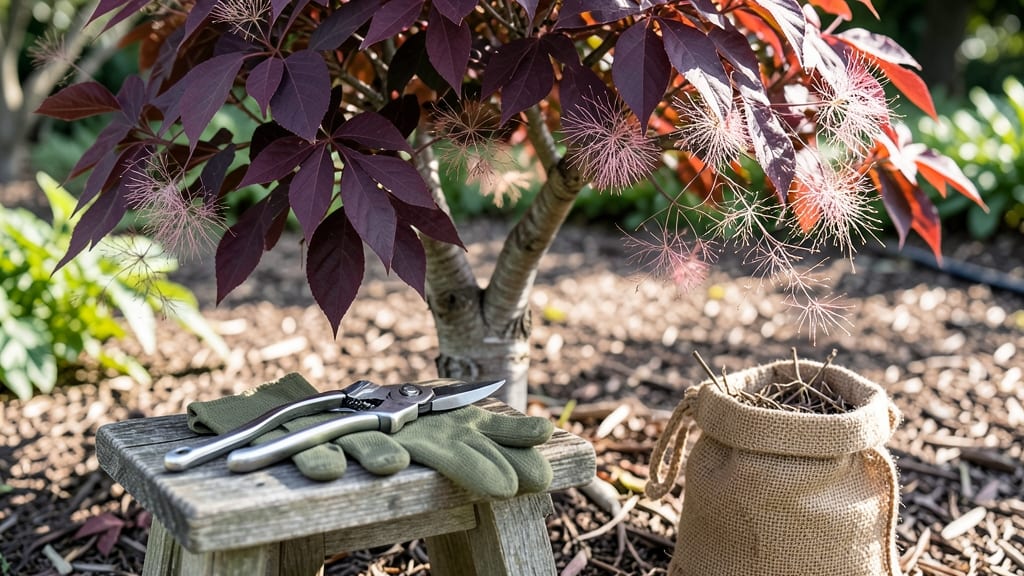
Royal purple smoke tree pruning transforms that wild, leggy shrub into a showstopping focal point with deep purple foliage and feathery plumes. 🌿 I’ve pruned mine every year since planting, and the difference in shape, color intensity, and overall health is dramatic—once you know the right cuts to make.
The best time to prune is late winter or early spring, before new growth begins. Grab your bypass pruners, gloves, and a sharp saw for thicker branches, then work systematically from the bottom up.
Start by removing dead, crossing, or weak branches—these are the ones stealing energy from your plant’s best features. What you’ll end up with is a tight, bushy silhouette that stays vibrant all season.
Prune just above outward-facing buds to encourage fuller growth, and avoid cutting more than one-third of the plant at once—this keeps it healthy without shocking the tree. The key is patience; smoke trees respond slowly but reward you with richer color and denser foliage year after year.
For larger trees, break pruning into two sessions—once in late winter and again in early summer to refine shape. Water deeply after pruning, and watch as new growth emerges with brighter purple tones and fewer gaps. It’s the little adjustments that make all the difference!
📚 In This Guide
- What you need
- Instructions
- Tips and common mistakes
- Wrapping up and next steps
What you need
- ● Pruning shears: Sharp, bypass-pruners (4–6 inch blades) for small branches.
- ● Loppers: Heavy-duty loppers (8–12 inch blades) for thicker branches (½–1.5 inches).
- ● Pruning saw: Curved-tooth pruning saw for branches over 1.5 inches in diameter.
- ● Garden gloves: Heavy-duty, cut-resistant gloves (e.g., Felco or Fiskars brand).
- ● Disinfectant: 70% isopropyl alcohol or a 10% bleach solution to sterilize tools between cuts.
- ● Rags or paper towels: For wiping down tools and cleaning sap.
- ● Ladder or step stool: Sturdy, extendable ladder (if tree exceeds 6 feet).
- ● Trash bags or bucket: For collecting pruned branches (1–2 gallon-sized bags or a 5-gallon bucket).
- ● Hand pruners with ratcheting mechanism: For easier cutting on stubborn branches.
- ● Pole pruner: Extendable tool for high branches (20+ feet).
- ● Plant wound sealant: (e.g., Tanglefoot Tree Wound Pruning Seal) for large cuts (controversial but useful for some gardeners).
- ● Marking spray: Temporary spray paint to mark branches for removal.
- ● Safety glasses: To protect eyes from debris.
- ● Check the weather: Prune on a dry, calm day (avoid rain or wind).
- ● Review your pruning plan (light, medium, or heavy pruning) and sketch it out if needed.
- ● Have a clean workspace—lay down tarps or old sheets to collect debris.
Instructions for pruning your Royal Purple smoke tree
Here’s how to keep your smoke tree’s dramatic purple foliage thriving year-round with precise cuts that encourage lush growth.
✂️ Step 1: Time Your Pruning for Optimal Growth
Prune your Royal Purple Smoke Tree in early spring, just as new growth begins—around late February to March in most climates. This timing ensures you remove last year’s dead wood while stimulating fresh, vibrant foliage. Avoid pruning in fall or winter, as the plant’s energy is focused on dormancy rather than recovery.
Watch for new leaf buds forming along the stems—these signal the perfect moment to start shaping. If you wait too long, you’ll risk cutting back growth that’s already underway. For dramatic shape control, I like to do a second light pruning in late spring to refine the canopy.
✂️ Step 2: Remove Dead, Diseased, or Weak Branches First
Start by inspecting the tree for dead branches—these will be dry, brittle, and snap easily when bent. Use clean, sharp pruning shears to make 45-degree cuts just outside the branch collar (the swollen area where the branch meets the trunk). This prevents unsightly stubs and promotes faster healing.
Next, look for branches with diseased or damaged foliage—these often appear yellowed, spotted, or covered in mold. Remove these immediately to prevent the spread. I always sterilize my shears with rubbing alcohol between cuts to avoid transferring pathogens.
✂️ Step 3: Shape the Canopy for Balance and Airflow
Step back and visualize your tree’s ideal shape—Royal Purple Smoke Trees thrive with an open, airy structure that allows sunlight to reach all branches. Start by thinning out overcrowded areas by cutting back branches that grow inward or cross others. Aim to remove no more than 25% of the foliage in a single session to avoid stressing the plant.
For a more compact look, you can lightly trim the tips of branches to encourage bushier growth. Avoid heavy pruning in one area—this can create uneven foliage density. If you’re unsure, I recommend pruning only the outermost growth to maintain the tree’s natural silhouette.
✂️ Step 4: Refine and Clean Up After Pruning
Once you’ve removed the necessary branches, take a final look for any small, stray twigs or uneven growth. Snip these off with hand pruners for a polished finish. I also like to rake up and dispose of all clippings—this keeps the base of the tree clean and reduces the risk of fungal growth.
After pruning, give your tree a deep watering to help it recover. The roots will need extra moisture to support new growth, especially if you’ve made significant cuts. Avoid fertilizing immediately—wait 4-6 weeks to let the pruning wounds heal before applying any nutrients.
⏰ Step 5: Monitor and Adjust for Year-Round Health
Keep an eye on your tree’s response in the weeks following pruning. Healthy new growth should appear within 2-3 weeks, with vibrant purple leaves emerging. If you notice yellowing leaves or stunted growth, it may be a sign of over-pruning—scale back next time and focus on lighter maintenance.
For ongoing shape control, I recommend light touch-ups in early summer if needed, but avoid heavy pruning during this period. The goal is to maintain the tree’s natural beauty while keeping it strong and disease-free. With consistent care, your Royal Purple Smoke Tree will stay lush and striking for years.
Tips & tricks for perfect Royal Purple smoke tree pruning
Mastering the art of pruning your Royal Purple Smoke Tree transforms it from a simple shrub into a stunning landscape centerpiece. Here’s what I’ve learned through years of perfecting this technique—tricks that’ll keep your tree thriving and looking its dramatic best.
Seasonal Timing Secret: The late February to March window is non-negotiable for early spring pruning, but here’s the nuance: In colder climates, wait until after the last frost when nighttime temperatures consistently stay above freezing. I’ve seen too many gardeners rush this step and end up with frost-damaged new growth. For that second light pruning in late spring, aim for just after the tree has finished flowering—this maintains the natural bloom cycle while still allowing time for new growth to harden off before summer heat.
Branch Collar Technique: That 45-degree cut just outside the branch collar isn’t just about aesthetics—it’s about the tree’s health. The collar contains healing tissues that help the wound seal faster. If you cut too close to the trunk or leave a stub, you create an entry point for disease. Pro tip: Use a sharp pair of pruning shears and make your cut on the underside of the branch where it naturally angles away from the trunk. This creates a smooth transition that blends seamlessly with the tree’s natural structure.
Visual Pruning Guide: When shaping the canopy, think of your tree as a living sculpture. Hold your pruning shears at a 45-degree angle and make cuts just above a leaf bud that faces outward. This creates a natural growth pattern that fills in gaps beautifully. For that 25% foliage limit, imagine dividing your tree into four quadrants—remove no more than one quadrant’s worth of growth in a single session. This prevents stress while still giving you dramatic results.
Post-Pruning Recovery: That deep watering after pruning isn’t just about hydration—it’s about helping the tree establish new root growth to support the cuts you’ve made. For trees in containers, water thoroughly until it drains from the bottom, then let it sit for 10 minutes before returning to its saucer. For in-ground trees, water deeply enough to moisten the soil 12-18 inches down. And remember, those 4-6 weeks before fertilizing give the tree time to redirect its energy toward healing rather than producing new leaves.
Pro Tips for Royal Purple Smoke Tree Pruning
- Mastering the art of pruning your Royal Purple Smoke Tree transforms it from a simple shrub into a stunning landscape centerpiece.
- I’ve seen too many gardeners rush this step and end up with frost-damaged new growth.
- Branch Collar Technique: That 45-degree cut just outside the branch collar isn’t just about aesthetics—it’s about the tree’s health.
Frequently asked questions
Got questions about keeping your Cotinus coggygria 'Royal Purple' looking its best? Here are some of the most common concerns—and their solutions—to help you prune with confidence!
When is the best time to prune a Royal Purple Smoke Tree?
The ideal time is late winter or early spring (before new growth starts). This removes dead wood and encourages fresh, vibrant foliage. You can also do a light trim in summer to maintain shape, but avoid heavy pruning then—it may stress the tree.
Do I need special tools for pruning?
Not necessarily! A sharp pair of bypass pruners (for small branches) and loppers (for thicker stems) work well. For larger branches, a pruning saw is handy. Just ensure your tools are clean and sanitized to prevent disease. Check our materials guide for more details.
How much can I trim back without harming the tree?
Royal Purple Smoke Trees are highly resilient—you can safely remove up to one-third of the foliage per year. For dramatic shaping, thin out older branches to improve airflow and sunlight penetration. Just avoid over-pruning in one season; spread it out for healthier growth.
What if my tree looks leggy or sparse after pruning?
Leggy growth often means the tree needs more light or nutrients. Try fertilizing in early spring and prune to encourage bushier growth by cutting just above a leaf node (where new branches form). If the issue persists, your tree might need rejuvenation pruning—cutting back hard to stimulate fresh shoots.
Can I prune in fall or winter?
Light pruning in late fall is fine, but avoid heavy cuts—it can leave the tree vulnerable to cold damage. Winter pruning is best after the worst frost (around February in most zones). If you must prune in winter, focus on removing dead or diseased branches to keep the tree healthy until spring.
Pro Tip:
Always sterilize your tools with rubbing alcohol between cuts to prevent fungal infections. And remember: Less is more! Royal Purple Smoke Trees reward patience with stunning, long-lasting color.
Wrapping up and next steps
Pruning your Royal Purple Smoke Tree isn’t just about keeping it tidy—it’s your secret to showstopping foliage year-round! 🌿 With the right tools, timing, and techniques, you’ll encourage lush growth, vibrant color, and even better blooms. Remember, patience and consistency are key, so don’t rush the process.
Ready to transform your tree into a standout star? Start by scheduling your next pruning session—whether it’s a light trim in early spring or a shaping session in late winter. And if you’re feeling ambitious, experiment with creative shapes or even propagate cuttings for new plants!
Your Royal Purple Smoke Tree will thank you with bold, healthy foliage that turns every season into a masterpiece.