
Pruning
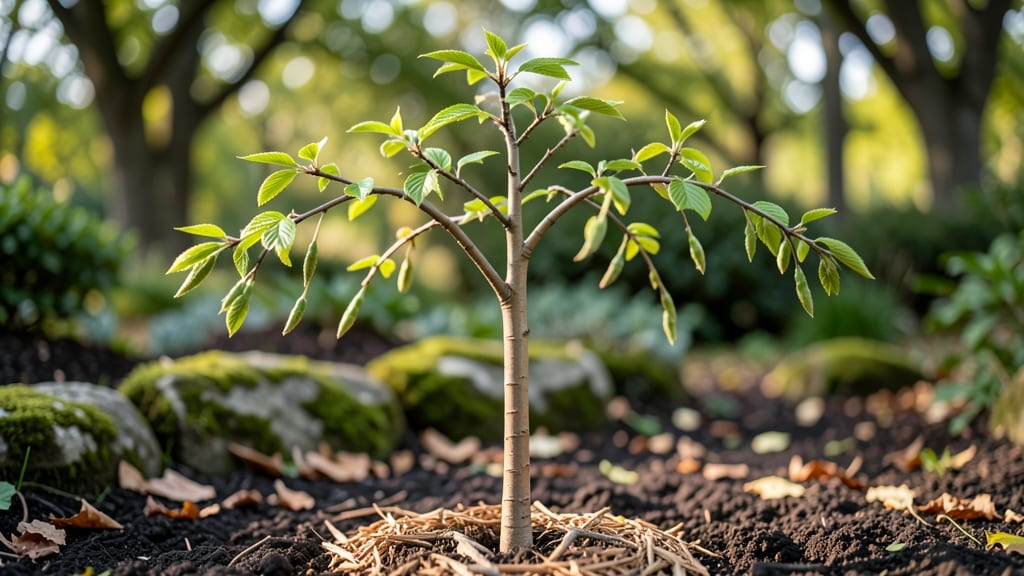
Planting a sakura tree sapling with a layered root system gives it the strong foundation it needs to thrive for decades. 🌸 I learned this after my first sapling struggled for years—until I dug deeper into how these delicate trees establish roots.
The key isn’t just the hole you dig, but how you encourage those roots to spread wide and deep from day one. Most gardeners focus only on the top half of the tree, but sakuras reward attention to their roots.
A well-layered system means better drought resistance, stronger blooms, and a tree that stands tall even in storms. You’ll need loose, well-draining soil mixed with compost, plus a few simple tools to guide those roots outward naturally.
By early spring, you’ll see new shoots pushing through the soil, signaling roots have taken hold. The first blooms arrive in 3-5 years, but with this method, your tree will be sturdy enough to support them—no flopping branches or weak stems.
The secret is patience and preparation during planting. This approach works for both container-grown saplings and bare-root varieties. Whether you’re in a mild climate or a colder zone, the layered root technique adapts to your growing conditions. Let’s get those roots settled right from the start!
📚 In This Guide
- What you need
- Instructions
- Tips and common mistakes
- Wrapping up and next steps
What you need
- ● Sakura tree sapling (1-2 years old, healthy with no signs of disease) – 1 plant
- ● Well-draining potting mix (lightweight, airy blend for roots) – 5-10 gallons
- ● Garden pot or container (12-18 inches deep, with drainage holes) – 1-2 units
- ○ Rooting hormone (optional but recommended for faster layering) – 1 small bottle
- ● Pruning shears (sterilized, sharp) – 1 pair
- ● Plastic wrap or humidity dome (to retain moisture) – 1 roll or unit
- ● Watering can or spray bottle (for gentle hydration) – 1 unit
- ● Grafting tape or rubber bands (to secure layered roots) – 1 roll
- ● Slow-release fertilizer (balanced 10-10-10 or organic) – 1 small bag
- ● Mulch (pine bark or coconut coir) (to retain moisture) – 1 bag
- ● pH testing kit (to monitor soil acidity, ideal: 6.0-7.0) – 1 kit
Step-by-Step instructions for establishing a sakura sapling's layered root system
Here's how to give your young sakura tree a sturdy foundation for decades of blooms.
🌱 Step 1: Prepare the Planting Site for Optimal Root Spread
Choose a location with 6+ hours of sunlight daily and space to accommodate the tree's mature width—sakuras need 15-20 feet of clearance. Dig a hole twice as wide as the root ball but only as deep as the container it came in. This encourages roots to spread horizontally rather than growing downward.
Loosen the soil at the bottom of the hole with your hands or a trowel. You'll see roots naturally splay outward when undisturbed—this is where the layered system begins. Mix the removed soil with 20% compost to improve drainage while retaining moisture, which sakuras prefer.
🪴 Step 2: Create the Layered Root Structure Before Planting
Gently remove the sapling from its container and tease the roots outward with your fingers, spreading them in all directions. For the layered effect, create 3 distinct root tiers: the top layer (surface roots), middle layer (structural roots), and bottom layer (anchor roots). Place the topmost roots just below the soil surface—these will develop into surface-feeding roots that stabilize the tree.
Use a garden stake to mark the depth where the top of the root ball sits. This ensures you plant at the correct level—never deeper than the container. The layered structure mimics natural sakura growth patterns, where roots develop in horizontal bands rather than a single deep taproot.
☀️ Step 3: Backfill with Strategic Soil Placement
Fill the hole in thirds, tamping down each layer lightly with your hands. Start with the compost-amended soil around the bottom roots, then add a 1-inch layer of coarse sand or gravel to prevent compaction. This creates air pockets that encourage root expansion. Finish with the remaining soil, leaving a 3-inch basin around the base for water retention.
Water deeply until moisture reaches 6 inches down, then let the soil settle for 24 hours. This initial watering helps the roots establish contact with the layered soil structure. Avoid overwatering now—the goal is to encourage roots to grow into the different soil layers rather than staying clustered in the center.
💧 Step 4: Mulch and Monitor for Root Development
Spread 2-3 inches of organic mulch (like wood chips) over the soil surface, keeping it 6 inches away from the trunk. This protects the shallow surface roots from temperature swings and retains moisture. Water 2-3 times weekly until the first true leaves appear, then reduce to once weekly once established.
After 6-8 weeks, gently scratch the soil surface with a trowel to check root spread. You should see a network of fine roots in the top 2 inches—this confirms the layered system is working. If the soil stays dry for more than 3 days, water again, but avoid soggy conditions that invite root rot.
⏰ Step 5: Prune for Structural Balance and Root Health
In early spring, prune any crossing branches or those growing inward at a 45-degree angle or sharper. This redirects energy to the root system. For the first two years, avoid heavy pruning—sakuras develop their layered root structure best when focused on establishing rather than producing flowers.
Watch for yellowing leaves—this often signals overwatering or poor drainage in the layered system. If you see this, reduce watering and add 1 inch of sand to the middle soil layer to improve aeration. A healthy sapling will show dark green leaves and steady growth of 6-12 inches annually**.
Tips & tricks for perfect sakura tree sapling planting
These simple strategies will help your young sakura thrive with a strong, stable root system.
Soil Preparation: In Step 1, when you're mixing that 20% compost with your native soil, consider adding a handful of perlite or vermiculite to the bottom layer. This creates even better aeration for those critical anchor roots. I've found that sakuras especially appreciate this extra air space—it mimics their natural forest floor habitat where roots breathe freely. The key is to keep it loose at the bottom while maintaining moisture retention in the upper layers.
Root Layering Technique: When creating your three root tiers in Step 2, don't be afraid to get creative with the spacing. The top surface roots should be placed just below the soil line, but the middle structural roots can actually be spread out slightly wider than you might think—up to 6 inches from the trunk. This wider spread gives your tree better stability against wind, which is crucial for those delicate branches that will eventually hold cherry blossoms. Think of it like building a sturdy foundation for a skyscraper.
Watering Wisdom: That 24-hour settling period after your initial deep watering in Step 3 is absolutely critical. I've seen many gardeners rush ahead and water again too soon, which can disrupt the soil layers we've carefully created. Instead, use this time to gently press your finger into the soil—it should feel moist but not soggy. If you notice water pooling in the 3-inch basin you created, that's perfect. This basin helps direct moisture exactly where those surface roots need it most.
Mulch Application: For Step 4, when applying that 2-3 inches of organic mulch, consider using a mix of wood chips and straw. The straw breaks down faster, creating a fine mulch that helps retain moisture right at the soil surface where your surface roots are developing. Just remember to keep it 6 inches away from the trunk—this prevents rot at the base while still protecting those shallow roots from temperature extremes. A good rule of thumb is to maintain about 1 inch of mulch thickness over the root zone at all times.
Pro Tips for Sakura Tree Sapling
- These simple strategies will help your young sakura thrive with a strong, stable root system.
- Soil Preparation: In Step 1, when you're mixing that 20% compost with your native soil, consider adding a handful of perlite or vermiculite to the bottom layer.
- Root Layering Technique: When creating your three root tiers in Step 2, don't be afraid to get creative with the spacing.
Frequently asked questions
Got questions about nurturing your sakura tree sapling? You’re not alone!
Here are some common concerns—and expert-friendly answers—to help your delicate beauty thrive.
When is the best time to plant a sakura tree sapling?
The ideal window is late fall to early spring (before buds swell). This gives roots time to establish before summer heat. Avoid planting in extreme cold—wait until soil is workable (not frozen or soggy). Pro tip: If you must plant in summer, water deeply daily and mulch heavily to retain moisture.
How deep should I plant the sakura sapling’s root ball?
Dig a hole twice as wide as the root ball but only as deep—never deeper—to prevent waterlogging. The top of the root ball should sit 1–2 inches above ground level to allow for settling. Warning: Burying too deep can strangle roots and cause rot. Check soil drainage first—sakuras hate soggy feet!
Can I propagate a sakura tree from cuttings instead of buying a sapling?
Most sakura varieties (especially flowering cherries) are hard to root from cuttings—they prefer grafting or layering. However, you can try softwood cuttings in summer with rooting hormone. For best success, buy a nursery-grown sapling with a layered root system (like the ones we recommend!). Alternative: Ask local growers about rootstock options.
Why are my sakura sapling leaves turning yellow?
Yellowing leaves often signal overwatering, nutrient deficiency, or poor drainage. Check for:
- Soggy soil → Let it dry slightly between waterings.
- Chlorosis (yellow veins) → Likely iron deficiency—use a chelated iron supplement.
- Wilting + yellow → Possible root rot from compacted soil.
Do sakura saplings need winter protection?
Young saplings (3–5 years old) benefit from mulch (3–4 inches) and burlap wrapping in harsh winters. Avoid heavy snow buildup on branches—shake it off gently. Mature trees (10+ years) usually handle cold fine, but late frosts can damage blossoms. Plant in a sheltered spot if your zone gets below 0°F.
Wrapping up and next steps
Growing a sakura tree sapling with a layered root system is a rewarding way to ensure strong, resilient growth—especially when you’re working with delicate varieties.
By mastering the techniques of air layering and root pruning, you’re not just nurturing a tree; you’re investing in its long-term health and beauty. 🌸 Whether you’re a seasoned gardener or just starting, the key is patience and consistency.
Ready to take the next step? Start small—pick a single sapling and practice the layered root method this season! Your future sakura’s vibrant blooms will thank you. 🌱