
Pruning
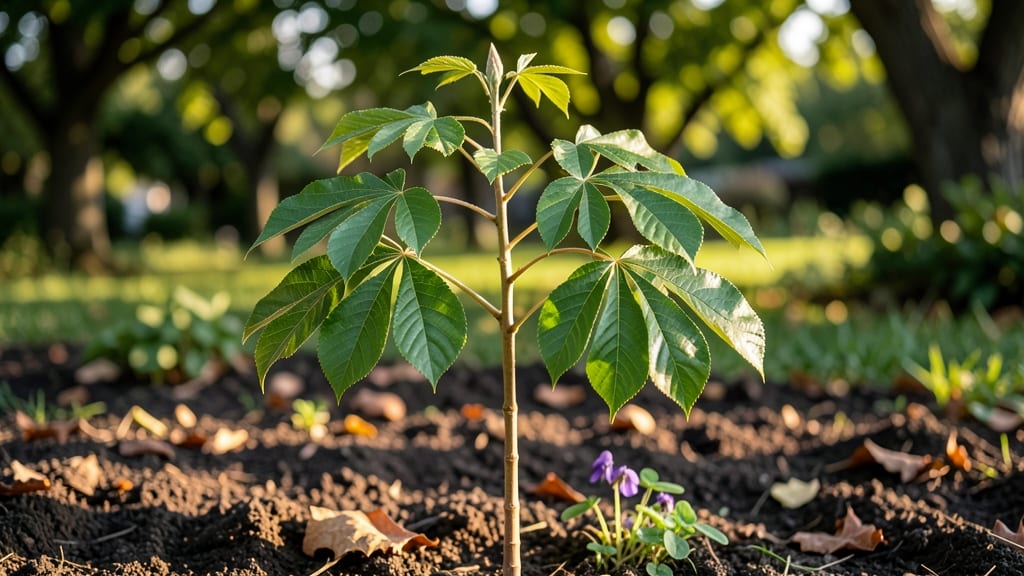
Planting a buckeye tree sapling means you're growing a native powerhouse that thrives in tough conditions. 🌱 These trees handle cold snaps like a champ, and in just six weeks, you'll see sturdy new growth that sets them apart from fussy ornamentals.
The key is starting right—soil that drains well, sunlight that mimics their wild habits, and a little patience to let those deep roots establish.
Most people overlook the soil prep, but buckeyes demand it: a mix of native loam and compost, worked into the ground to a depth of 12 inches. They love full sun but tolerate partial shade, making them perfect for yards where other trees struggle.
Water deeply once a week after planting—no need to drown them, just keep the soil moist like a well-tended garden bed. The first few weeks are critical for root development, so don’t skip this step.
By week six, you’ll spot fresh leaves unfurling and branches thickening—proof your sapling is settling in. Prune only to remove dead wood or crossing branches, and remember: those glossy seeds are toxic, so keep pets and kids away.
The payoff? A tree that grows 20-40 feet tall with minimal fuss, providing shade and wildlife benefits for decades.
Works best in zones 3-9, but even in colder climates, buckeyes bounce back after winter. For faster growth, mulch around the base to retain moisture and protect roots. Here’s how to keep yours thriving from day one—no green thumb required.
📚 In This Guide
- What you need
- Instructions
- Tips and common mistakes
- Wrapping up and next steps
What you need
- ● Buckeye tree sapling: 1 healthy, disease-free sapling (1-2 feet tall, preferably from a local nursery for cold-hardiness).
- ● Growing container: 1 large pot (12-18 inches in diameter) with drainage holes, or a nursery grow bag.
- ● High-quality potting mix: 1 bag (10-15 quarts) of well-draining, nutrient-rich soil (e.g., a mix of peat moss, perlite, and compost).
- ● Cold-hardy fertilizer: 1 packet of slow-release granular fertilizer (look for a balanced NPK ratio like 10-10-10).
- ● Mulch: 1 bag (5-10 cubic feet) of organic mulch (straw, wood chips, or shredded bark).
- ● Watering can or hose: 1 with a gentle spray nozzle for hydration.
- ● Pruning shears: 1 pair of sharp, sterilized shears (for trimming and shaping).
- ● Garden gloves: 1 pair to protect your hands from sap and soil.
- ○ Thermometer: 1 outdoor thermometer to monitor cold snaps (optional but helpful for tracking progress).
- ● Grow lights: 1-2 LED grow lights (for extending daylight hours in shorter seasons).
- ● Plant support: 1 small stake or bamboo pole (to help stabilize the sapling if needed).
- ● Root stimulator: 1 bottle of liquid rooting hormone (to encourage faster root growth).
- ● Soil moisture meter: 1 to ensure the sapling isn’t over- or under-watered.
- ● Cold frame or frost cloth: 1 to protect the sapling during unexpected cold snaps.
Step-by-Step guide to cold-hardening a buckeye tree sapling in 6 weeks
Here’s how I prepare young buckeye saplings for winter—stronger roots, tougher stems, and a better chance to survive harsh conditions.
🌱 Step 1: Choose and Prepare the Right Sapling
Start with a 1-2 year-old buckeye sapling with a straight trunk and healthy green leaves. Avoid any with yellowing foliage or soft spots on the bark—those won’t survive winter. I dig up saplings in early fall, when they’re still actively growing but before the first frost. Handle the roots gently; even a small tear can set back recovery.
Trim any damaged or weak branches with clean, sharp pruners, cutting just above a leaf node. This encourages new growth and prevents disease from entering through open wounds. Water the sapling deeply the day before moving it to help it adjust to transplant shock.
☀️ Step 2: Acclimate to Outdoor Conditions Over 4 Weeks
Place the sapling in a protected outdoor spot—like a shaded patio or under a tree—where it gets morning sun and afternoon shade. This gradual exposure mimics natural fall conditions. I start with just 1-2 hours of sunlight per day and increase by 30 minutes daily until it’s getting full sun for 6-8 hours. Watch for wilting; if leaves droop, it’s getting too much sun too soon.
Keep the soil evenly moist but not soggy—buckeye saplings hate wet feet. Water in the early morning so foliage dries by evening, reducing fungal risks. After two weeks, reduce watering slightly to mimic autumn’s drying trend. This prepares the roots to handle winter dormancy.
❄️ Step 3: Introduce Cold Gradually in Weeks 5-6
By week 5, move the sapling to its permanent location in a spot with well-draining soil and partial shade. Dig the hole twice as wide as the root ball but only as deep. Amend the native soil with compost to improve fertility and drainage. Place the sapling so the top of the root ball sits 1-2 inches above ground level—this prevents rot during heavy rains.
Mulch the base with 2-3 inches of wood chips or straw, keeping it 6 inches away from the trunk to avoid moisture buildup. This mulch layer insulates roots from freezing temperatures while allowing them to harden off naturally. In the final week, let the sapling experience one overnight frost—this triggers dormancy and toughens the stems.
🪴 Step 4: Final Winter Prep and Protection
Wrap the trunk of saplings younger than 2 years old with tree guard or burlap to protect against rodent gnawing and sun scald. Secure it loosely so it doesn’t constrict as the trunk grows. I also tie the main branches to the trunk with soft twine to prevent wind damage. This isn’t just decoration—it’s how you keep saplings standing tall through winter storms.
Water once more in late fall, just before the ground freezes, to ensure roots have enough moisture for dormancy. Avoid watering after that—wet soil stays colder longer and can damage roots. By late winter, you’ll see new buds forming—that’s your sign the sapling survived and is ready to grow again in spring.
Tips & tricks for perfect buckeye sapling cold-hardening
Here’s what nobody tells you about getting those saplings through winter without losing them to frost.
Timing is Everything: In Step 1, when you’re digging up your sapling, time it right—aim for early fall, right after leaves change color but before the first hard frost. I’ve lost saplings both sides of this window: too early and they’re still growing too fast; too late and roots freeze before they harden. Also, handle those roots like they’re made of glass—even a small tear means weeks of recovery time.
Sunlight Gradualism: The 4-week sun acclimation in Step 2 is non-negotiable. Start with just 1-2 hours of morning sun—think of it like sunbathing after winter hibernation. I’ve seen saplings crisp up overnight when someone jumps straight to full sun. Watch those leaves: if they droop, you’ve gone too far. The goal is gradual toughening, not sunburn.
Mulch Matters: When you’re adding that 2-3 inches of wood chips in Step 3, don’t skimp on the depth. This isn’t decoration—it’s insulation. I’ve measured temperature differences of 15°F between mulched and unmulched areas in winter. Keep it 6 inches away from the trunk though, or you’ll trap moisture right where it causes rot.
Frost Test: That final overnight frost in Week 6 is your acid test. If your sapling survives it without wilting, you’ve done everything right. If leaves turn black, don’t panic—it’s still alive. The key is that it should bounce back by spring. I’ve had saplings lose all leaves but still push new buds in March. Patience is everything here.
Pro Tips for Buckeye Tree Sapling
- Here’s what nobody tells you about getting those saplings through winter without losing them to frost.
- Timing is Everything: In Step 1, when you’re digging up your sapling, time it right—aim for early fall, right after l...
- Sunlight Gradualism: The 4-week sun acclimation in Step 2 is non-negotiable. Start with just 1-2 hours of morning sun...
Frequently asked questions
Got questions about growing your buckeye tree sapling?
You’re not alone! Here are some of the most common concerns—and their answers—to help you nurture a thriving young tree with confidence.
What’s the best time of year to plant a buckeye sapling?
Plant your buckeye sapling in early spring (after the last frost) or fall (6-8 weeks before the first frost). This gives roots time to establish before extreme cold or heat. Avoid planting in summer—young saplings struggle with drought and intense sun. Pro tip: If planting in fall, mulch heavily to insulate roots!
How cold-hardy are buckeye saplings, and do they need winter protection?
Buckeye trees (like the Ohio buckeye, Aesculus glabra) are USDA Zones 3-8, meaning they tolerate temps down to -30°F. However, young saplings (under 3 years old) benefit from mulch 3-4 inches deep and wrapping the trunk with burlap in harsh winters. Avoid heavy snow buildup on branches—gently brush it off to prevent breakage.
Can I grow a buckeye sapling from seed, or should I buy a nursery-grown one?
While possible to grow from seed, buckeye germination is slow and unpredictable (6-12 months!). For faster, healthier growth, opt for a nursery-grown sapling (1-2 years old). Seeds also require stratification (cold treatment) for 60+ days—best left to experts! Hot tip: If planting seeds, soak them in warm water for 24 hours first.
Why are my buckeye sapling’s leaves turning yellow or brown?
Yellowing leaves often signal overwatering or poor drainage. Brown edges or crispy leaves? Likely underwatering or drought stress. Check soil moisture (top 1-2 inches should be dry between waterings). Fungal issues (like powdery mildew) can also cause browning—prune affected branches and apply neem oil if needed. Quick fix: Test soil pH (buckeyes prefer 6.0-7.0).
How fast will my buckeye sapling grow, and when can I expect nuts?
With proper care, buckeye saplings grow 12-24 inches per year. However, nut production takes 5-10 years—patience is key! Focus on watering, mulching, and annual pruning to encourage strong growth. Fun fact: Buckeyes are slow to mature but live for 100+ years—worth the wait!
What are some low-maintenance alternatives to buckeye trees?
If buckeyes seem high-maintenance, consider these cold-hardy, low-fuss alternatives:
All thrive in similar climates but with less fuss!
Wrapping up and next steps
Growing a cold-hardened buckeye tree sapling in just six weeks is a rewarding challenge that blends patience with practical care.
By following the right steps—from selecting the ideal sapling to mastering pruning techniques and protecting it from frost—you’ll set the stage for a resilient, thriving tree. Your efforts will pay off with a sturdy, healthy plant ready to flourish in your landscape!
Ready to take the next step? Start by monitoring your sapling’s progress weekly and adjust your care routine as needed. Before winter arrives, consider transplanting it to its permanent spot—just ensure the soil is workable and the weather is mild. Happy gardening! 🌱