
Pests and Diseases
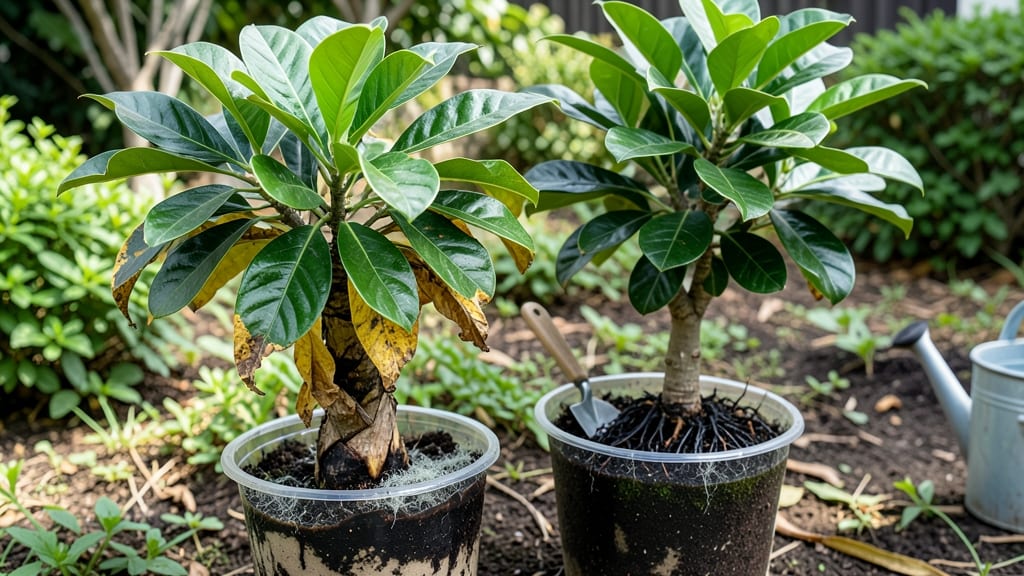
Your money tree’s drooping leaves and mushy roots don’t mean goodbye—just a 3-step rescue that’s worked for my own overwatered plants. 🌱 The key is catching root rot early, before the stems turn soft and the leaves yellow.
I’ve nursed back plants that looked hopeless, and with the right approach, yours can bounce back too.
Root rot starts when soil stays soggy for weeks, blocking oxygen and inviting fungus. Most people overwater because they check the soil surface—it’s dry there, but the roots are drowning below.
My trick? Stick a finger 2-3 inches deep—if it’s damp, wait. The fix begins with fresh, well-draining soil and a clean pot to break the cycle.
By the time you’re done, your money tree will have firm, healthy roots and new growth within 4-6 weeks. The leaves will plump up, the stems will firm, and you’ll learn the watering rhythm that keeps it thriving. No more guesswork—just consistent moisture checks and a little patience.
This method works for money trees in pots, hanging baskets, or even as gifts you’ve received that arrived sad. The same principles apply whether your plant is young or mature. Let’s bring it back to life—step by step.
Root Rot’s Silent Triggers
When your money tree (Pachira aquatica) starts wilting despite regular watering, the culprit is often overwatering-induced root rot. But why does this happen? Let’s break down the science behind the problem so you can prevent it—and save your plant.
Money trees thrive in well-draining soil, but when water accumulates in the pot without escaping, roots suffocate. Here’s the chain reaction:
- Excess moisture fills soil pores, pushing out oxygen—roots need this to breathe!
- Without oxygen, aerobic bacteria (the good kind) can’t break down organic matter, leading to anaerobic conditions.
- In these low-oxygen zones, harmful fungi and bacteria (like Phytophthora or Pythium) multiply rapidly.
- These pathogens digest root tissues, replacing healthy cells with mushy, decaying matter.
Actionable fix: Let the top 1–2 inches of soil dry out between waterings. Stick your finger in—if it’s damp, wait!
If your pot lacks drainage holes or uses heavy, compacted soil (like clay without perlite), water pools at the bottom instead of draining. This creates a permanent soggy zone where roots rot faster. Here’s why:
- Clay or dense soil holds water like a sponge, slowing drainage.
- Even "water-loving" plants (like money trees) can’t tolerate waterlogged roots for long.
- Over time, the root tips die back, reducing the plant’s ability to absorb nutrients.
Actionable fix: Repot in a mix of 60% potting soil + 30% perlite + 10% orchid bark. Add drainage holes if missing!
Money trees love warmth (65–80°F) but hate stagnant humidity. When high humidity meets overwatering, the combo is a recipe for rot:
- Humid air slows evaporation, keeping soil wet longer.
- Fungal spores (like Rhizoctonia) thrive in moist, warm conditions, infecting roots.
- Cold drafts or sudden temperature drops weaken the plant’s defenses, making roots more susceptible.
Actionable fix: Keep humidity below 60% (use a dehumidifier if needed) and avoid placing the plant near AC vents or drafty windows.
Now that you know the root causes (pun intended), you’re ready to revive your money tree—without repeating these mistakes!
How to Fix Overwatered Roots Fast
Reviving a soggy money tree (Pachira aquatica) from root rot is totally doable—even if the roots look like they’ve been left in a swamp! The key is acting quickly, diagnosing the damage, and giving your plant the right care to bounce back.
Below, we’ll break down exact steps based on the severity of the rot, plus prevention tips to keep your money tree thriving.
---
Before diving into fixes, check how bad the rot is. Gently remove the plant from its pot and inspect the roots: - Healthy roots: Firm, white or light tan, with a slight sheen. - Mushy/black roots: Soft to the touch, dark brown/black, and smelly?
That’s severe rot—time for emergency care. - Firm but brown roots: These may still be salvageable with proper trimming.
> 💡 Pro Tip: If more than 50% of the roots are mushy, your plant might not recover—but don’t give up yet! Even partial recovery can save it.
---
Use sterilized scissors or pruning shears (wipe with rubbing alcohol first!) to cut away the bad roots. Here’s how:
| Root Condition | What to Do | Emoji | |---------------------------|-------------------------------------------------------------------------------|--------------------| | Firm, healthy roots | Leave them alone—they’re your plant’s lifeline! | 🌱 | | Soft, black/mushy roots | Snip all of them off—they’re beyond saving and will spread rot. | ⚰️ (RIP, bad roots) | | Firm but brown roots | Trim only the dark, mushy parts—keep the healthy white sections. | ✂️ |
> 🔥 Warning: If the rot has spread to the stem base (where roots meet the trunk), the plant may not survive. But if the stem is still firm, proceed!
--- Now that your money tree has a fresh root system, it’s time to give it a clean slate in a new pot.
#### 📋 Supplies You’ll Need: - A clean pot (1–2 inches larger than the old one; terracotta is ideal for drainage). - Well-draining potting mix (avoid heavy garden soil—money trees hate soggy feet!). - Mix: 60% peat-free potting soil + 30% perlite/pumice + 10% orchid bark. - Optional: A rooting hormone (if you’re extra cautious about regrowth). - Sterilized tools (scissors, pot, soil).
#### 🥘 Step-by-Step Repotting: 1. Rinse the roots (if soil is clinging) with room-temperature water to remove old, rot-inducing debris. 2. Add a layer of fresh soil (about 1 inch) to the new pot.
3. Place the trimmed plant in the pot, ensuring the base of the stem sits just above the soil line (not buried). 4. Fill in with soil, gently pressing down to eliminate air pockets—but don’t compact it too tightly.
5. Water lightly (just enough to moisten the soil, not drench it).
> ✨ Prevention Boost: Add a thin layer of perlite or coarse sand on top of the soil to improve airflow and reduce future rot risk.
--- Your money tree needs low-stress conditions to heal. Follow this care plan for the next 4–6 weeks:
| Care Step | How to Do It | Emoji | |--------------------------|---------------------------------------------------------------------------------|--------------------| | Watering | Only when the top 1–2 inches of soil are dry.
Use the finger test—stick your finger in the soil before watering. | 💧 (sparingly!) | | Light | Bright, indirect light (no harsh sun). A north or east-facing window is perfect. | 🌞 (gentle rays) | | Humidity | Keep it moderate (40–50%).
Mist lightly if your home is dry, but avoid soggy leaves. | 🌫️ | | Temperature | 65–80°F (18–27°C)—keep it away from drafts or AC vents. | 🌡️ (just right) | | Fertilizer | Wait 4–6 weeks before fertilizing.
Start with a diluted, balanced liquid fertilizer (half-strength). | 💪 (feed lightly) |
> 🎯 Watch for Signs of Recovery: > - New green growth at the tips of branches. > - Roots that feel firm and white when you check in 2–3 weeks. > - Leaves that stop yellowing and start perking up.
--- Once your money tree is back on track, prevent future overwatering and rot with these habits:
- 🌡️ Use the Right Pot: Terracotta pots dry out faster than plastic—great for money trees! - 💧 Water Less, Not More: Stick to a schedule (every 7–10 days in summer, less in winter) and always check soil moisture before watering. - 🚫 Avoid Saucer Trays: If you use a saucer, empty excess water after 10 minutes to prevent root suffocation. - 🌿 Prune Regularly: Trim yellow or brown leaves to reduce stress on the plant. - 🔍 Monitor Drainage: If water pools on top of the soil after watering, your pot lacks drainage holes—fix it ASAP!
--- If your money tree’s stem is hollow, mushy, or falling apart, it’s likely too far gone. But don’t toss it out—propagate the healthy stems to grow new plants! 1. Cut a healthy stem with at least 2–3 nodes (bumpy bits where leaves grow).
2. Dip the cut end in rooting hormone (optional). 3. Plant in moist perlite or water until roots form (usually 2–4 weeks). 4. Repot in fresh soil once roots are 1–2 inches long.
Your money tree might be fighting for its life right now, but with these steps, you’ve got a real shot at revival—and a plant that’ll thank you with lush, happy growth for years to come! 🌿✨
Frequently asked questions
How do I know if my money tree has root rot?
Check for these signs: leaves turning yellow or brown, wilting despite watering, and a foul smell from the soil. Gently remove the plant and inspect the roots—healthy ones are firm and white, while rotten roots are mushy, black, and crumbly. If the stem at the soil line feels soft, rot has spread.
Can I save a money tree with severe root rot?
It depends! If more than 50% of the roots are mushy and black, recovery is unlikely—but you can still propagate healthy stems. Cut a 4–6 inch section with 2–3 nodes, dip in rooting hormone, and place in water or moist perlite. Even if the main plant doesn’t survive, you’ll grow a new one!
Why does my money tree need drainage holes?
Drainage holes are critical because they prevent water from pooling at the pot’s bottom. Without them, roots suffocate in soggy soil, leading to rot. Terracotta pots (which wick moisture) are ideal—just ensure the hole isn’t too large (½ inch diameter works best) to avoid soil loss.
How often should I water my money tree after fixing root rot?
Wait until the top 1–2 inches of soil feel dry to the touch—usually every 7–10 days in summer, less in winter. Use the finger test: stick your finger 1 inch deep. If damp, wait! Overwatering is the #1 cause of root rot recurrence.
What’s the best soil mix to prevent future rot?
Use a blend of 60% peat-free potting soil, 30% perlite or pumice, and 10% orchid bark. This combo improves drainage while retaining enough moisture. Avoid garden soil—it compacts and traps water, inviting rot. Add a ½-inch layer of perlite on top to boost airflow.