
Pruning
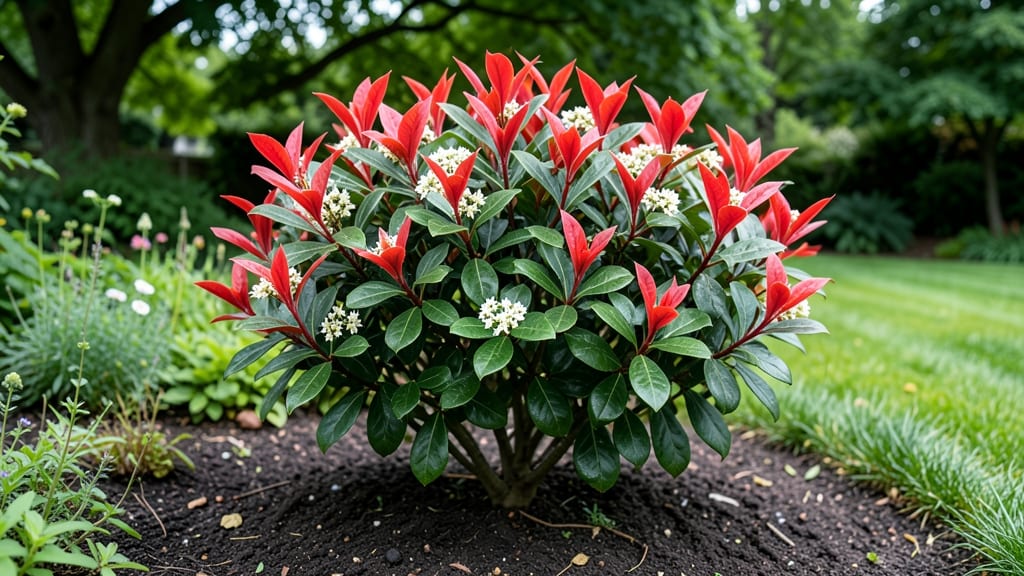
The Red Tip Photinia tree height you end up with depends entirely on how you prune it — left alone, it’ll stretch to 15 feet in no time, but with strategic cuts, you can keep it as short as 3 feet.
If your Red Tip Photinia tree is growing too tall for its space—or stubbornly refusing to stay compact—you’re not alone.
This fast-growing shrub can reach heights of 10–15 feet if left unchecked, but with the right pruning strategy, you can shape it into a tidy 6-foot hedge or even a dwarf-sized accent plant.
Understanding its growth rate is key: in just three years, an unpruned Red Tip Photinia can shoot up from a 3-foot sapling to a towering 10-foot shrub.
That’s why timing your pruning—spring is ideal—makes all the difference in controlling its size without sacrificing those vibrant red new growth tips.
In this guide, I’ll break down how to prune for different height goals, from a privacy screen to a compact border, plus the sunlight and soil secrets that keep your 🌳 thriving no matter its size.

Natural Red Tip Photinia tree height: growth rates and mature sizes by variety
The Red Tip Photinia (Photinia fraseri) is one of the most popular ornamental shrubs for its vibrant red new growth and glossy foliage. But how tall will yours grow? The answer depends entirely on the variety you choose, as some stay compact while others reach towering heights.
Understanding these differences helps you plan your landscape design and pruning strategy from day one.
Standard Red Tip Photinia varieties can reach 10–15 feet tall at maturity, but dwarf and compact cultivars like 'Little Red' and 'Red Robin' stay much smaller. Knowing your plant's natural growth rate and mature size ensures you plant it in the right spot and avoid frustration later.
Let's break down the specifics for each variety so you can set realistic expectations.
The standard Red Tip Photinia grows aggressively, gaining 1–2 feet per year in its first few years. This rapid growth makes it ideal for creating quick privacy screens or dramatic focal points. However, without regular pruning, it can easily outgrow its intended space.
If you're planting near a fence or building, plan for its mature size of 10–15 feet and prune annually to maintain control.
For smaller spaces, 'Little Red' is my go-to choice. This dwarf variety tops out at just 3–6 feet, making it perfect for foundation plantings or container gardening.
Its slower growth rate of 6–12 inches per year means less maintenance, but it still benefits from light pruning to encourage a fuller shape. The key is to prune right after flowering to avoid cutting off next year's red new growth.
If you want a medium-height option, 'Red Robin' strikes the perfect balance with a mature height of 4–8 feet. This variety grows at a moderate pace, adding 8–16 inches annually, and develops a naturally bushy habit.
It's excellent for mixed borders or as a low hedge along walkways. Unlike the standard variety, 'Red Robin' rarely needs heavy pruning but benefits from occasional shaping to maintain its compact form.
One of the tallest options is 'Ravenel's Red', which can reach 12–15 feet and grows even faster than the standard variety. This makes it ideal for large landscapes or as a specimen plant.
However, its rapid growth means you'll need to prune it twice a year—once in late spring and again in early summer—to keep it manageable.
Without pruning, it can become too tall for most residential yards, so only plant this variety if you have the space and time for maintenance.
Understanding your Red Tip Photinia's natural growth rate is the first step in keeping it healthy and in check. Most varieties grow fastest in full sun and well-draining soil, so provide these conditions to encourage steady growth.
If you notice your plant growing slower than expected, check for shady spots or compacted soil, which can stunt its development. With the right care, you'll have a stunning shrub that fits perfectly in your landscape—whether you want a towering screen or a compact accent.
Remember, pruning is key to controlling height. Even dwarf varieties like 'Little Red' can grow taller if left unpruned, while standard varieties will quickly become unmanageable.
By knowing your plant's natural growth pattern and mature size, you can plan ahead and enjoy a beautiful, well-proportioned Red Tip Photinia for years to come. 🌱
Step-by-step pruning schedule to control Red Tip Photinia height
Pruning your Red Tip Photinia at the right time ensures it stays at your desired height while keeping its vibrant foliage. This shrub grows aggressively, so a seasonal pruning plan is key to maintaining its shape.
Whether you want a compact hedge or a taller privacy screen, timing and technique make all the difference.
Start with light pruning in early spring to encourage new growth. Avoid heavy cuts during this time, as it can stress the plant. Summer pruning helps maintain shape, while fall is ideal for rejuvenation cuts to prepare for winter.
Let’s break down the best approach for each season to keep your Photinia thriving.
Seasonal Pruning Steps for Red Tip Photinia
-
Early Spring (March-April)
✂️ Light Pruning – Remove dead or damaged branches and trim back overgrown stems by 1/3 to encourage bushiness. Avoid heavy cuts to prevent shock. -
Late Spring (May-June)
🌿 Heading Cuts – Prune new growth tips to control height and shape. Cut just above a leaf node to promote branching. Ideal for maintaining a compact form. -
Summer (July-August)
🌞 Thinning Cuts – Remove inner branches to improve airflow and sunlight penetration. Focus on overcrowded areas to prevent disease. Avoid heavy pruning in late summer. -
Early Fall (September-October)
🍂 Rejuvenation Pruning – For overgrown Photinia, cut back 1/2 to 2/3 of the height to stimulate new growth. Do this before first frost to allow recovery. -
Winter (November-February)
❄️ Dormant Season – Avoid pruning unless removing dead wood. Let the plant rest to recover strength for the next growing season.
When pruning, always use clean, sharp tools to make smooth cuts at a 45-degree angle. Disinfect your pruners with rubbing alcohol between cuts to prevent disease spread. For large branches, use loppers or a pruning saw to avoid tearing the bark.
One common mistake is over-pruning in a single session, which can stress the plant. Instead, spread cuts across multiple sessions to give your Photinia time to recover. If you notice yellowing leaves after pruning, it may be a sign of over-pruning or nutrient deficiency.
For dwarf varieties like 'Little Red,' stick to light trims in spring and summer to maintain their 3-4 foot height. Standard varieties can handle more aggressive pruning but still benefit from a structured schedule to prevent wild growth.