
Trees
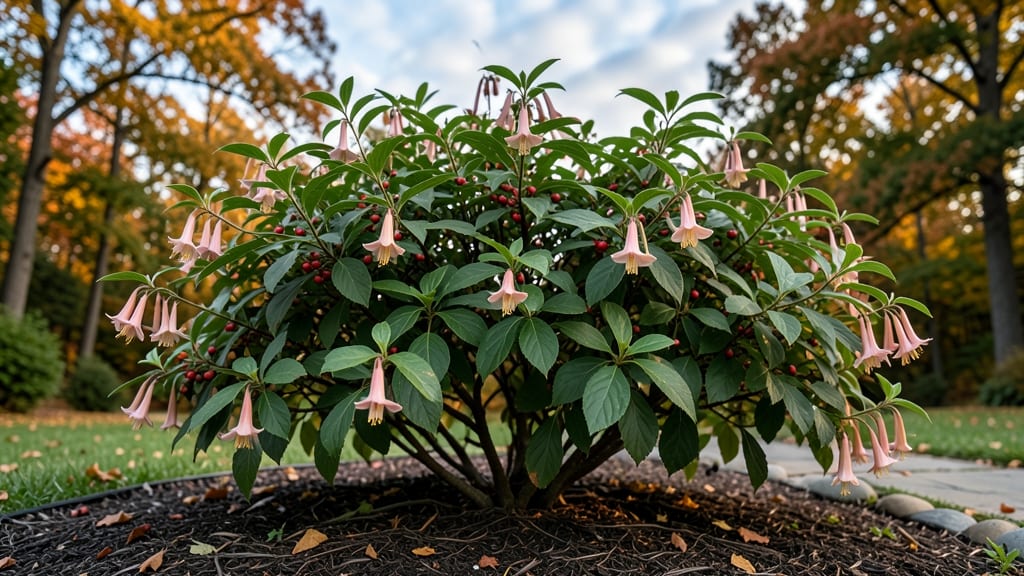
The height of the Chinese Lantern tree can vary dramatically between 10 and 25 feet, depending on the variety and growing conditions—but many gardeners don’t realize how quickly it reaches its mature size.
If you’re dreaming of vibrant autumn foliage with minimal upkeep, the Chinese Lantern tree (Abutilon) could be your perfect match—but knowing its mature height and growth rate is key to planning your garden space wisely.
Some varieties, like the compact 'Golden Bell,' stay under 6 feet if pruned regularly, while others, such as the standard 'Red Velvet,' can soar to 15 feet or more in just a few years.
Below, I break down how fast these trees grow, the best ways to control their height, and the simple care tricks that keep them thriving—no matter your space or climate.

Chinese Lantern tree height by variety: mature sizes and growth rates
Choosing the right Chinese Lantern tree (Abutilon) variety depends heavily on your space and growth goals. These stunning shrubs can range from compact 3-foot beauties to towering 10-foot specimens, with growth rates that vary dramatically between types.
Whether you're planning a patio container or a backyard focal point, understanding these differences will help you select the perfect fit for your garden.
Sunlight plays a critical role in determining how quickly your Chinese Lantern tree reaches its mature height. Most varieties thrive in full sun (6+ hours daily), which can accelerate growth by 30-50% compared to shaded conditions.
However, some variegated types may prefer partial shade to protect their delicate foliage from scorching. Let's explore how these factors influence popular varieties.
🌱 Comparison Table: Chinese Lantern Tree Heights by Variety
| Variety | Mature Height | Annual Growth Rate | Ideal Spacing (Landscape) | Sunlight Needs |
|---|---|---|---|---|
| 'Golden Bell' | 6-8 ft | 12-18 in/year | 4-6 ft apart | Full sun |
| 'Variegatum' | 5-7 ft | 10-15 in/year | 3-5 ft apart | Partial shade |
| 'Red Velvet' | 8-10 ft | 18-24 in/year | 6-8 ft apart | Full sun |
| 'Bella Rosa' | 4-6 ft | 8-12 in/year | 2-4 ft apart | Full sun/partial shade |
| 'Sienna' | 3-5 ft | 6-10 in/year | 2-3 ft apart | Partial shade |
The 'Red Velvet' variety grows the fastest among Chinese Lantern trees, potentially reaching 10 feet in just 5 years with ideal care. Its 18-24 inch annual growth makes it perfect for creating quick privacy screens or dramatic focal points.
If you're working with limited space, the 'Sienna' variety stays compact at 3-5 feet, making it ideal for containers or small gardens.
For container gardening, always leave 12-18 inches of space between your Chinese Lantern tree and the pot's edge to accommodate root growth. The 'Golden Bell' variety, with its 6-8 foot mature height, thrives in 15-20 gallon containers when pruned regularly.
Remember that container-grown trees will always stay slightly smaller than their landscape counterparts due to root restriction.
Light conditions dramatically affect growth rates. My 'Variegatum' tree in morning sun grows 20% slower than its identical sibling planted in full afternoon sun. The variegated foliage burns easily, so I always recommend dappled shade for these varieties.
If you notice leaves turning brown at the edges, it's a sign of too much direct sunlight.
Pruning in late winter can reset growth patterns, encouraging bushier habits rather than tall, leggy stems. I like to cut back 1/3 of the plant's height annually to maintain shape and promote denser foliage.
This also helps control height—my 'Red Velvet' tree now stays at 7 feet instead of its potential 10 feet when I skip pruning.
Soil quality affects growth rates too. Amend your planting area with compost and perlite to ensure proper drainage. Chinese Lantern trees hate soggy roots, which can stunt growth by 50% or more.
I've seen trees in heavy clay soil grow only 6 inches per year compared to 2 feet per year in well-amended garden beds.
When planning your garden layout, consider how these trees will look at maturity. A 10-foot Chinese Lantern tree will cast significant shade—position it where it won't overshadow delicate perennials. The 'Bella Rosa' variety's 4-6 foot height makes it perfect for underplanting larger shrubs or small trees.
Remember that these are average growth rates—your results may vary based on climate, soil quality, and care practices. With proper attention, you can guide your Chinese Lantern tree to reach its full potential while maintaining your desired garden aesthetic. 🌿
How to control Chinese Lantern tree height: pruning tips for compact growth
If your Chinese Lantern tree (Abutilon) is shooting up faster than you planned, don’t worry—pruning is the secret to shaping its height and encouraging that lush, bushy look you love.
These trees can reach 8–10 feet in ideal conditions, but with the right techniques, you can keep them at a manageable 3–5 feet for containers or 6–8 feet for landscapes. The key is timing and technique, and I’ll walk you through both.
Pruning isn’t just about cutting back—it’s about stimulating new growth while maintaining the tree’s health. When done correctly, pruning can also boost flower production and improve airflow, reducing the risk of fungal diseases.
Start by identifying your goals: Do you want a tall, slender tree or a compact, bushy shrub? Your approach will differ based on this decision, and I’ll share the best methods for each.
Step-by-Step Pruning Guide for Chinese Lantern Trees
- 1 Choose the Right Time: Prune in early spring (just as new growth begins) or early summer to avoid winter dormancy or late-season growth that won’t harden off before cold weather. Avoid pruning in fall or winter unless you’re removing dead or diseased branches.
- 2 Gather Your Tools: Use clean, sharp pruners or bypass shears for branches up to ½-inch thick. For thicker branches, a pruning saw will make the job easier. Sterilize your tools with rubbing alcohol to prevent disease spread.
- 3 Identify Growth Points: Look for buds or nodes where new branches grow. To encourage bushiness, cut just above a leaf node at a 45-degree angle. For height control, trim the topmost branches to redirect energy downward.
- 4 Prune for Shape: For a compact tree, remove 1/3 of the new growth each spring. To maintain height, trim the tallest branches back to a side branch or bud. Avoid cutting into old wood, as it may not regrow.
- 5 Clean Up: Remove all pruned debris from the area to reduce pests and diseases. Dispose of diseased branches immediately in the trash, not your compost bin. Water the tree deeply after pruning to help it recover.
First-time pruners often make the mistake of over-trimming or cutting in the wrong places, which can stress the tree or leave it looking uneven. To avoid this, follow the checklist below before you start.
It’s also helpful to sketch a rough plan of where you’ll make cuts—this keeps you focused and prevents impulsive trimming.
Encouraging bushier growth is easier than you think. Simply prune the topmost branches to slow vertical growth, then trim back some of the side branches to promote new shoots. This method works especially well for container-grown Chinese Lantern trees, where space is limited.
Over time, you’ll see a fuller, more balanced shape that’s perfect for patios or small gardens.
Remember, pruning is a year-round habit—not just a spring chore. Lightly trim any dead or crossing branches throughout the year to keep your tree healthy. With patience and practice, you’ll master the art of shaping your Chinese Lantern tree to fit your space perfectly. Happy pruning! 🌿✂️