
Pruning
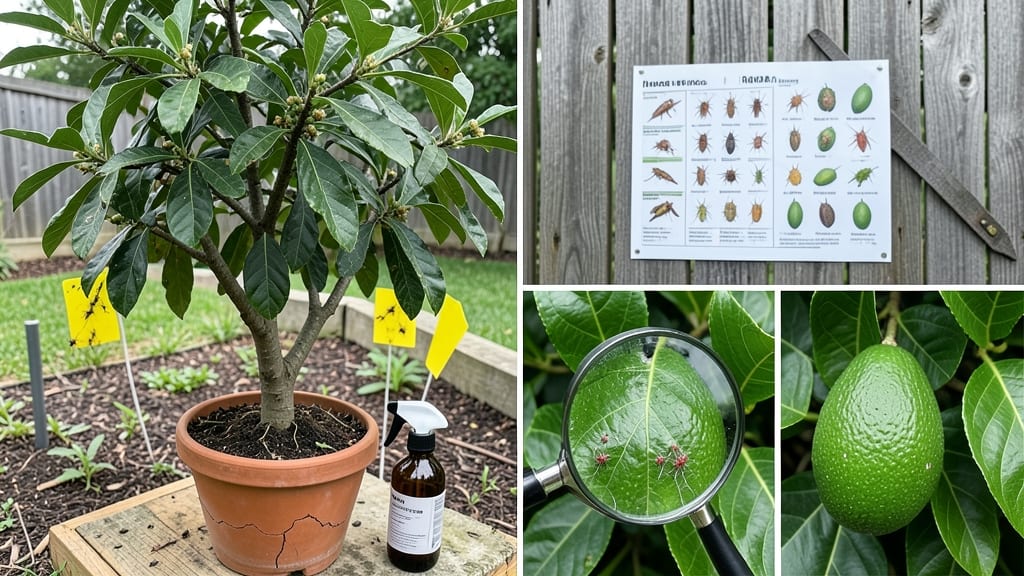
Avocado tree pests can turn your lush harvest into a battle zone—mites, scale, and fruit flies strike fast, but you can catch them early. 🌿 I’ve spent years watching my trees get attacked, and the key is knowing what to look for before the damage spreads.
Tiny webs on leaves? That’s spider mites. Sticky residue on branches? Scale insects. Overripe fruit dropping too soon? Fruit flies might be the culprit.
The worst part is how quickly these pests multiply—what starts as a few spots can become a full-blown infestation in weeks. But the good news? Most issues are preventable with regular inspections and simple fixes.
A strong stream of water can knock off scale insects, neem oil tackles mites, and traps lure away fruit flies before they lay eggs. The sooner you act, the easier it is to save your tree.
By the end of this guide, you’ll spot pests before they become a problem and know exactly how to respond—whether it’s a quick spray, a physical barrier, or a long-term strategy.
Your avocado tree will stay healthy, productive, and free from the telltale signs of an attack. Let’s get started with the first step: learning to read the warning signs.
This works for both young trees and mature ones, whether you’re dealing with a small backyard grove or a single prized plant. The methods here are straightforward, but they require consistency—just like any good garden defense plan. Ready to protect your harvest?
Root Causes Of Avocado Tree Infestations
Avocado trees, with their lush foliage and prized fruit, can quickly become a buffet for pests if conditions align. Understanding why these critters target your tree is the first step in preventing them from throwing a party in your orchard. Let’s break down the science behind the chaos.
Pests don’t just show up for fun—they’re drawn to trees that are already struggling. When an avocado tree is stressed, its natural defenses weaken, making it an easy target. Here’s how it happens:
- Nutrient Deficiencies: A lack of essential nutrients (like nitrogen, potassium, or magnesium) stunts growth and reduces the tree’s ability to produce protective compounds. Example: Yellowing leaves (chlorosis) signal nitrogen deficiency, which invites pests like spider mites or scale insects that thrive on weakened foliage.
- Water Stress: Overwatering or drought creates ideal conditions for pests. Overwatering leads to root rot, which attracts fungus gnats and other moisture-loving insects. Drought stress makes leaves dry and brittle, attracting sap-sucking pests like mealybugs.
- Physical Damage: Wounds from pruning, storms, or hail break the tree’s protective skin, creating entry points for borers, beetles, and fungal infections that pests exploit.
Pro Tip: 💡 Regular soil testing and balanced fertilization can strengthen your tree’s resilience. Mulching also helps retain moisture and regulate soil temperature, reducing stress.
Pests are opportunists—they move in when the environment is just right. Avocado trees often provide the perfect conditions, especially in:
| Factor | How It Attracts Pests |
|---|---|
| Warm, Humid Climates | Many avocado pests (like avocado lace bugs or fruit flies) thrive in temperatures between 70–90°F (21–32°C) and high humidity. These conditions speed up their life cycles, leading to rapid infestations. |
| Dense Foliage | Thick canopies trap heat and moisture, creating microclimates that shelter pests like mites, aphids, and whiteflies. Poor airflow also slows down natural predators (e.g., ladybugs) that could keep pests in check. |
| Overripe or Damaged Fruit | Avocados that fall to the ground or split open become a magnet for fruit flies, weevils, and other scavengers. Even a single damaged fruit can trigger a full-blown infestation. |
Pro Tip: ✨ Prune for airflow—thin out dense branches to reduce humidity and improve sunlight penetration. Harvest fruit promptly and remove fallen or damaged produce to deny pests a food source.
In a balanced ecosystem, predators like parasitic wasps, lacewings, or birds keep pest populations in check. But when these natural controls are missing, pests multiply unchecked. Here’s why it fails:
- Pesticide Overuse: Broad-spectrum pesticides kill beneficial insects along with pests, leaving your tree vulnerable to secondary infestations. Example: Neonicotinoids can wipe out bees and predatory beetles, allowing aphids to explode in numbers.
- Monoculture Plantings: Growing only avocado trees (without companion plants) removes biodiversity. Solution: Planting marigolds or basil nearby can attract pest-eating insects and deter some avocado-specific pests.
- Urban or Isolated Locations: Birds and beneficial insects may avoid urban gardens or small properties, leaving pests to thrive without interference.
Pro Tip: 🌿 Encourage biodiversity—plant native flowers, avoid chemical sprays, and introduce beneficial nematodes or ladybugs to restore balance.
Many avocado pests have life cycles tied to seasons, and their activity peaks when conditions are optimal. For example:
- Spring/Summer: Warmth triggers outbreaks of avocado lace bugs (which lay eggs in leaf clusters) and fruit flies (attracted to ripening fruit).
- Fall/Winter: Cooler temps may slow some pests, but scale insects and mealybugs can still thrive in sheltered areas.
- Year-Round in Tropical Zones: In regions like California or Mexico, pests like avocado thrips or root-knot nematodes remain active all year due to stable warm conditions.
Pro Tip: 🎯 Monitor seasonally—inspect trees monthly during peak pest seasons (spring/summer) and adjust preventive measures accordingly.
Quick Fixes for Avocado Tree Pests
If pests have already moved in, don’t panic—there are practical, effective ways to reclaim your tree’s health. The key is acting fast with targeted solutions tailored to the invader. Below, we break down cause-specific fixes and share prevention tips to keep your avocado tree thriving long-term.
---
Signs: Wilting leaves, sawdust-like frass near roots, or larvae tunneling into bark.
How to Treat It: 🔥 Remove Infested Soil – Dig around the base (12–18 inches deep) and pull out larvae by hand or with a trowel. Dispose of them in soapy water. 🍳 Apply Beneficial Nematodes – Flood the soil with Heterorhabditis bacteriophora nematodes (available at garden centers). These microscopic predators seek out and kill grubs naturally. 👨🍳 Use Kaolin Clay Barrier – Mix Surround WP (kaolin clay) with water and spray the trunk and soil surface. This creates a gritty film that repels adult weevils. ⏰ Replant with Resistant Soil – Amend the soil with compost + diatomaceous earth (food-grade) to deter future infestations.
Prevention Tips: ✨ Mulch Strategically – Use wood chips or straw (not dense mulch) to discourage weevil eggs from hatching. 🌡️ Monitor Watering – Overwatering attracts grubs. Water deeply but only 1–2 times per week in dry climates.
---
Signs: Sticky residue (honeydew), white/brown bumps on leaves or bark, or ants (they farm scale for honeydew).
How to Treat It: 🔪 Prune & Scrape – Trim heavily infested branches and dip tools in rubbing alcohol between cuts. Scrub scale off trunks/leaves with a soft brush + soapy water. 🥘 Neem Oil Spray – Mix 1 tbsp neem oil + 1 tsp mild soap per gallon of water. Spray every 5–7 days until scale disappears. 💡 Introduce Ladybugs – Release ladybugs or lacewings (sold at nurseries) to eat scale naturally.
Prevention Tips: 🎯 Quarantine New Plants – Inspect avocado saplings for scale before bringing them home. 📊 Encourage Predators – Plant marigolds or dill near your tree to attract scale-eating insects.
---
Signs: Dark spots on leaves, wilting, or moldy growth in crevices.
How to Treat It: 🌧️ Prune & Sterilize – Remove all infected leaves/branches and sterilize pruners with 70% isopropyl alcohol. 🍄 Fungicide Spray – Use copper fungicide (like Copper Soap) or baking soda spray (1 tbsp baking soda + 1 quart water + a drop of dish soap). Spray weekly until new growth appears. 🌡️ Improve Airflow – Thin dense foliage to reduce humidity near the tree.
Prevention Tips: 💡 Water at the Base – Avoid overhead watering to prevent fungal spores from splashing onto leaves. ✨ Space Trees Properly – Ensure 6–10 feet between avocado trees for better airflow.
--- Signs: Cottony white clusters, sticky residue, or curled leaves.
How to Treat It: 🔥 Alcohol Wipe-Down – Dampen a cotton swab in 70% isopropyl alcohol and dab each mealybug cluster. 🥘 Horticultural Oil – Spray dormant oil (like Safer Brand Oil) on both sides of leaves and the trunk. Reapply every 7–10 days. 👨🍳 DIY Soap Spray – Mix 1 tsp castile soap + 1 quart water. Spray directly on bugs (avoid beneficial insects).
Prevention Tips: 🌡️ Inspect New Plants – Quarantine and quarantine new avocado trees for 2 weeks before planting. 🎯 Use Yellow Sticky Traps – Hang traps near the tree to catch adult mealybugs.
--- - 🌿 Plant Companion Plants – Citrus, basil, or lavender repel many pests naturally. - 🕵️♂️ Regular Scouting – Check leaves, bark, and soil weekly during growing seasons. - 🌧️ Adjust Watering – Deep, infrequent watering (1–2 times/week) reduces pest-friendly moisture.
--- Pro Tip: 💡 For severe infestations, consult a local agricultural extension office—they can test soil/leaves for pests and recommend region-specific solutions.
Frequently asked questions
What are the most common signs that my avocado tree has pests?
Look for tiny webs on leaves (spider mites), sticky residue called honeydew (scale insects), or small holes in fruit (fruit flies). Yellowing leaves or curled foliage often signal lace bugs or mealybugs, while sawdust-like frass near roots indicates root weevils. Check both leaves and bark regularly—pests often hide on the undersides.
Can I use neem oil on my avocado tree without harming it?
Yes, neem oil is safe for avocado trees when used correctly! Dilute 1 tablespoon of neem oil + 1 teaspoon mild soap per gallon of water and spray during early morning or evening to avoid leaf burn. Apply every 5-7 days until pests disappear—it’s effective against mites, scale, and mealybugs without chemicals.
How often should I inspect my avocado tree for pests?
Check your tree weekly during growing seasons (spring/summer) and monthly in cooler months. Focus on new growth, leaf undersides, and fruit—these are prime hiding spots. Early detection is key, especially for fast-spreading pests like fruit flies or lace bugs, which can devastate a harvest in weeks.
Are there any natural predators that can help control avocado pests?
Ladybugs, lacewings, and parasitic wasps are natural pest fighters. Release them near infested areas or plant companion flowers like marigolds to attract them. Birds also help—avoid chemical sprays that harm these beneficial allies, as they’ll keep pests like scale insects and mites in check.
What’s the best way to prevent fruit flies from attacking my avocado tree?
Set up yellow sticky traps near the tree to catch adults, and remove any overripe or damaged fruit immediately. For organic control, use apple cider vinegar traps (mix vinegar + dish soap in a jar) or apply kaolin clay to create a barrier. Avoid overwatering, as excess moisture attracts them.