
Pruning
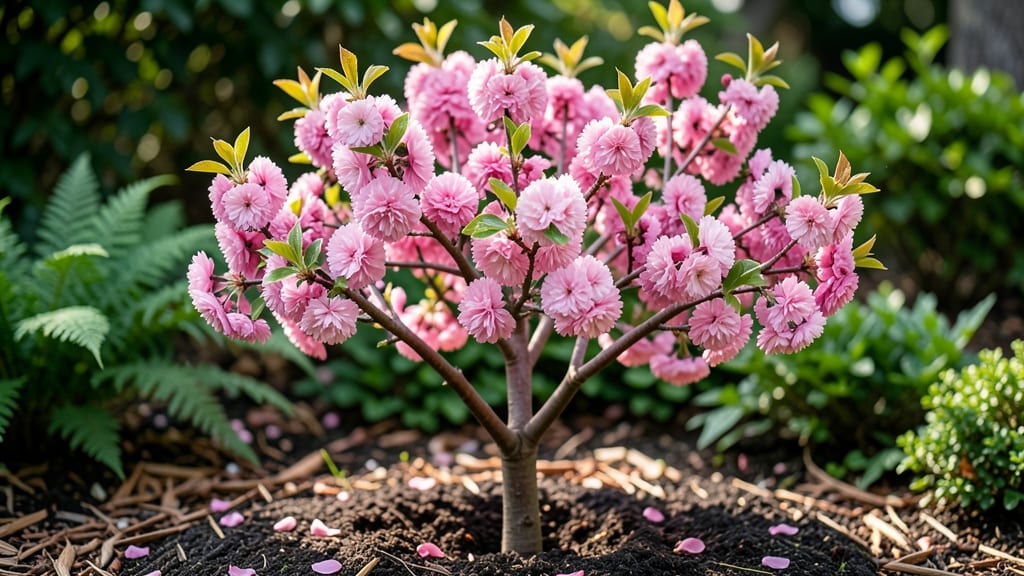
The pink plum tree isn't just another fruit tree—it's a showstopper with delicate blossoms that turn heads before the first harvest. 🌸 I planted mine last spring, and now it's bursting with pink flowers that attract bees while promising sweet, juicy fruit.
The key to keeping it compact and productive? Pruning at the right time—and I've cracked the code after years of trial and error.
This variety thrives in full sun with well-draining soil, but its real magic happens in winter. Prune during dormant season (late winter to early spring) to shape the tree and encourage abundant fruit.
Remove crossing branches first, then thin out to let light reach the center—this prevents disease and makes harvesting easier. My tree now fits neatly in my backyard without sacrificing yield.
What sets this plum apart is its pink fruit blush, a stunning contrast to classic purple plums. The flowers alone make it ornamental, but the harvest—when done right—rewards you with sweet, juicy plums perfect for fresh eating or preserves.
The secret? Prune aggressively in the first few years to establish a strong structure, then maintain with light cuts to keep it manageable.
Watch for plum curculio and brown rot—they love this variety too. A preventive spray in early spring keeps pests at bay, and proper spacing improves airflow to fight disease.
With the right care, your pink plum tree will be the star of your garden, blooming beautifully and bearing fruit for decades. Ready to shape yours?
📚 In This Guide
- What you need
- Instructions
- Tips and common mistakes
- Wrapping up and next steps
What you need
- ● Pruning shears: Sharp, bypass-style shears (for cuts up to ½ inch thick). Example: Felco F-2 or Corona Tools.
- ● Loppers: For thicker branches (½ to 1½ inches). Look for ratchet-assisted models for ease.
- ● Pruning saw: For branches over 1½ inches thick. A bow saw or pruning saw with a fine-toothed blade works best.
- ● Gloves: Heavy-duty, cut-resistant gloves to protect your hands from thorns and rough bark.
- ● Disinfectant: 70% isopropyl alcohol or a pruning sealant (like Tanglefoot) to sterilize tools and prevent disease.
- ○ Pruning paint/sealant: Optional but recommended for sealing large cuts (e.g., Tree Wound Pruning Seal).
- ● Tarp or drop cloth: To collect debris and protect the ground.
- ● Twine or rubber tree ties: For supporting branches if needed (e.g., 1/8-inch nylon twine).
- ● Notebook & pen: To jot down notes on cuts, branch angles, or future pruning plans.
- ● Knowledge of plum tree anatomy: Familiarize yourself with water sprouts, suckers, and scaffold branches—key areas for pruning.
- ● Weather check: Prune on a dry, cloudy day (avoid extreme heat or frost).
- ● Safety gear: Safety glasses (in case of debris) and long sleeves/pants to protect from thorns.
Step-by-Step instructions for pruning plum trees for compact growth
Here's how I keep my Plum Tree Pink variety thriving with a manageable shape and bountiful fruit.
✂️ Step 1: Time Your Pruning for Optimal Growth
Prune your Plum Tree Pink during late winter or early spring, just before buds begin to swell. This timing ensures you're not removing next year's fruit buds while the tree is still dormant. I aim for the last two weeks of February or the first two weeks of March in my zone 7 garden. Avoid pruning in fall—it invites disease and pests to overwinter in open wounds.
If you missed the winter window, you can do a light shaping prune in summer after harvest, but avoid heavy cuts. The tree needs its energy to ripen fruit, not heal large pruning wounds. Look for the first pink buds as your signal to stop pruning—once they appear, the tree is waking up and ready to grow.
✂️ Step 2: Remove Dead, Diseased, or Crossing Branches First
Start by cutting out any branches that are dead, diseased, or rubbing against others. Use sharp, clean pruners to make 45-degree cuts just outside the branch collar—the swollen area where the branch meets the trunk. This ensures proper healing and prevents water from pooling in the wound. I always sanitize my tools with rubbing alcohol between cuts to prevent spreading disease.
Look for branches growing straight up or crossing others—these compete for energy and create entry points for pests. Thin these out first, removing the smaller branch at its base. You'll notice the tree's natural structure more clearly once you remove these problem branches. Aim to open up the center so light and air can circulate freely to the inner fruitwood.
✂️ Step 3: Shape for Compact Growth and Fruit Production
Next, shape your tree into an open-center form by cutting back about one-third of last year's growth on the outer branches. This encourages a bushier, more compact shape while maintaining good airflow. For the Plum Tree Pink variety, I focus on keeping the canopy between 8-10 feet tall—this makes harvesting easier and prevents the tree from becoming too top-heavy.
Look for water sprouts—those vigorous, vertical shoots growing from the trunk or main branches. These steal energy from fruit production. Cut them back to a lateral branch or bud. When shaping, always make cuts just above an outward-facing bud to encourage new growth in the right direction. You'll see new shoots emerging within 4-6 weeks that will fill out your tree's structure.
✂️ Step 4: Thin Out Overcrowded Fruit Spurs
After shaping, focus on the fruit spurs—the small, stubby branches where next year's fruit will develop. Thin out crowded spurs by removing every other one, cutting back to the main branch. This ensures each remaining spur gets enough energy to produce quality fruit. The Plum Tree Pink variety responds well to this thinning—you'll notice larger, more flavorful fruit as a result.
Leave 3-5 fruit spurs per foot of branch length as a general guideline. You'll see the difference in fruit size and tree health within a season. Avoid removing more than 25% of the tree's total foliage in one pruning session—this stresses the tree and reduces fruit production. Remember, the goal is to create a balanced tree that's easy to harvest from and produces abundantly.
⏰ Step 5: Clean Up and Monitor for New Growth
After pruning, rake up and dispose of all debris from the pruning site—this helps prevent disease. Apply a 2-inch layer of mulch around the base (but not touching the trunk) to retain moisture and suppress weeds. I use composted wood chips because they break down slowly and improve soil health over time.
Monitor your tree closely over the next 4-6 weeks. You should see new growth emerging from the pruning cuts, indicating the tree is responding well. If you notice any signs of stress like wilting leaves or oozing sap from cuts, your pruning was too aggressive. In that case, the tree will recover, but you may see reduced fruit production that season. Adjust your approach next year based on what you observe.
Tips & tricks for pruning plum trees for compact growth
Here's what nobody tells you about pruning that'll make all the difference in your tree's health and fruit production.
Timing is Everything: I can't emphasize this enough—the late winter/early spring window (last two weeks of February through first two weeks of March) is critical for the Plum Tree Pink variety. This timing ensures you're not removing next year's fruit buds while the tree is still dormant. If you're in a different zone, adjust by about 2 weeks earlier for cooler climates or later for warmer ones. The key visual cue is those first pink buds—stop pruning immediately when you see them, as that's when the tree starts its active growth cycle.
The 45-Degree Cut Secret: When making your cuts in Step 2, that 45-degree angle isn't just about looks—it's about proper healing. The angled cut prevents water from pooling in the wound, which can lead to rot. I always make sure my pruners are sharp (I test them by cutting a piece of paper—if it tears, they're dull) and sanitize them with rubbing alcohol between cuts. This simple step dramatically reduces the risk of disease entering through open wounds. Think of it as giving your tree a clean surgical cut rather than a jagged tear.
One-Third Rule for Shaping: The instruction to cut back about one-third of last year's growth in Step 3 is where the magic happens for compact growth. I measure this by looking at the branch length and estimating mentally—about 12 inches of growth means cutting back 4 inches. This proportion encourages bushier growth while maintaining the tree's structural integrity. For the Plum Tree Pink, keeping that 8-10 foot canopy height is especially important—it prevents the tree from becoming top-heavy, which can lead to branch breakage during fruit-bearing seasons.
Fruit Spur Math: The 3-5 fruit spurs per foot guideline in Step 4 might seem arbitrary, but there's actual science behind it. Each spur needs enough energy to produce quality fruit, and this spacing ensures they're not competing with each other. I visualize this as creating "fruit production zones" along each branch. You'll notice within a season that the remaining spurs produce noticeably larger and more flavorful fruit—this is the tree redirecting its energy to fewer, more productive spots.
Pro Tips for Plum Tree Pink
- Here's what nobody tells you about pruning that'll make all the difference in your tree's health and fruit production.
- Timing is Everything: I can't emphasize this enough—the late winter/early spring window (last two weeks of February through first two weeks of March) is critical for the Plum Tree Pink variety.
- The 45-Degree Cut Secret: When making your cuts in Step 2, that 45-degree angle isn't just about looks—it's about proper healing.
Frequently asked questions
Got questions about pruning your Plum Tree Pink variety for that perfect compact shape and fruit bounty? We’ve got answers!
Here are some of the most common queries—plus quick, actionable tips to keep your tree thriving.
When is the best time to prune a Plum Tree Pink?
The ideal time to prune is late winter or early spring (before buds swell but after severe cold passes). This ensures minimal stress on the tree while encouraging vigorous growth. Avoid pruning in fall, as wounds may not heal before winter, increasing disease risk. For light shaping, you can also prune in summer after harvest.
How much can I prune my Plum Tree Pink without hurting it?
For young trees (under 3 years), limit pruning to 20-25% of the canopy per year to avoid shocking the tree. Mature trees can handle up to 30%, but focus on removing dead, diseased, or crossing branches first. Over-pruning weakens the tree and reduces fruit production. Pro tip: Never remove more than 1/3 of the tree’s foliage in a single session!
Will pruning my Plum Tree Pink affect fruit production?
Pruning correctly actually boosts fruit quality and quantity! By opening the canopy to sunlight and air, you reduce disease and encourage larger, sweeter plums. However, over-pruning—especially in fruit-bearing years—can temporarily reduce harvest. Balance is key: prioritize structural pruning in early years and fruit-thinning pruning (removing excess suckers or water sprouts) later.
What if my Plum Tree Pink isn’t blooming or fruiting after pruning?
If your tree skips blooms or fruit, check these fixes:
- Age: Young trees (under 2–3 years) may not fruit yet—be patient!
- Sunlight: Ensure it gets 6+ hours of direct sun daily.
- Pruning mistakes: Avoid cutting back too aggressively in fruiting years.
- Nutrients: Test soil for nitrogen, phosphorus, and potassium imbalances.
- Pollination: Plum Tree Pink is self-pollinating, but a nearby bee-friendly plant helps.
If issues persist, consult a local orchardist or extension service for a diagnosis.
Can I keep my Plum Tree Pink as a dwarf or compact tree?
Yes! To encourage compact growth, choose a dwarfing rootstock (like St. Julian A or Pixy) and prune aggressively in early years to shape a central leader or open-center form. Regularly remove suckers (shoots from the base) and water sprouts (vertical shoots). Pro tip: Use dwarf-specific pruning shears for precision!
Wrapping up and next steps
Mastering the art of pruning your Plum Tree Pink variety is all about patience, precision, and a little love for your tree! By following the right techniques—like shaping in early spring, removing dead wood, and thinning branches—you’ll encourage compact growth and bountiful fruit for years to come. 🌿✨
Ready to see your tree thrive? Grab your pruners and start with small, confident cuts. Your next step: Schedule a pruning session this season and observe how your Plum Tree Pink rewards you with healthier branches and delicious harvests!