
Pests and Diseases
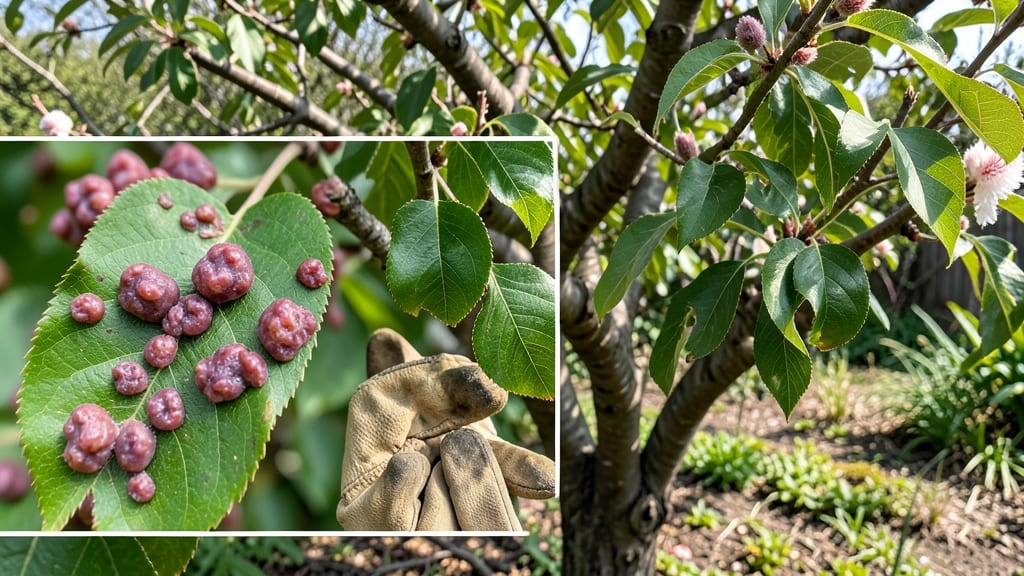
Those tiny red bumps on your peach tree leaves aren’t just unsightly—they’re a sign your tree is fighting fungal leaf spot, and copper spray is the foolproof organic cure. 🌿 I’ve seen this disease turn lush peach foliage into a sad, spotted mess, but with the right treatment, your tree can bounce back stronger than ever.
The culprit is usually Cladosporium or Cercospora fungi, thriving in warm, wet weather when leaves stay damp for too long. Those red bumps start small, then spread into larger brown spots with yellow halos—classic fungal spot symptoms.
The good news? Copper spray disrupts the fungal cycle without harming bees or beneficial insects, making it a safe choice for organic gardeners.
Within 2-3 weeks of consistent spraying (every 7-10 days), you’ll see new growth free of spots, and existing leaves will stop degrading. The key is acting fast—once spots cover more than 10% of the leaf, the tree’s energy shifts from fruit production to repair, meaning smaller harvests.
That’s why early intervention is everything.
This method works year-round, but timing matters most in spring and fall when humidity spikes. For severe cases, combine copper spray with pruning infected branches (sterilize tools with rubbing alcohol between cuts) to prevent reinfection. Your peach tree’s future harvests depend on stopping this now.
Root Causes Behind Leaf Bumps
Peach trees are resilient, but when you spot red or purple bumps on their leaves, it’s a sign of stress—often linked to fungal infections, environmental factors, or even pest activity.
Understanding the why behind these bumps is the first step to saving your tree. Below, we break down the most common culprits with clear explanations and actionable insights.
Fungal diseases are the top cause of red bumps on peach leaves, thriving in warm, humid conditions. These pathogens disrupt the leaf’s natural defenses, leading to unsightly (and harmful) growths.
🔍 Common Fungal Culprits
- Leaf Spot Diseases (e.g., Cercospora or Alternaria):
These fungi create reddish-brown spots with raised bumps or dark centers. They spread via wind, water, or infected tools, weakening the tree’s ability to photosynthesize.
- Anthracnose (Gloeosporium spp.):
Causes sunken, red-purple bumps that ooze in wet weather. It targets young leaves and fruit, stunting growth if left unchecked.
- Rust Fungi (Tranzschelia spp.):
Produces orange-red pustules (not just bumps) that rupture to release spores. These fungi often jump between peach trees and alternate hosts like blackberry bushes.
🌡️ Why Do They Flourish?
Fungi love moisture and poor airflow. Overhead watering, dense foliage, or rainy springs create the perfect breeding ground. Stressed trees (from drought, nutrient deficiencies, or physical damage) are especially vulnerable.
Not all bumps are fungal—some are the result of insect feeding or egg-laying. Pests like mites, aphids, and scale insects can trigger red, swollen reactions on leaves as the tree fights back.
🐜 Key Pest Triggers
- Spider Mites (Tetranychus spp.):
These microscopic pests pierce leaves to feed on sap, causing reddish stippling or raised bumps (especially on undersides). Heavy infestations lead to leaf curling and yellowing.
- Peach Leaf Curling Mite (Eriophyes spp.):
Attacks new growth, creating thickened, red-purple bumps on leaves. Unlike fungal spots, these bumps are often wrinkled or puckered.
- Aphids or Scale Insects:
While they don’t always cause bumps, their saliva and honeydew can promote sooty mold—a black fungus that darkens leaves and stresses the tree, making it more susceptible to fungal spots.
🌿 How to Tell Pest Bumps Apart
Pest-related bumps often appear clustered on new growth or leaf undersides. Look for:
- ✅ Webbing (mites)
- ✅ Sticky residue (aphids)
- ✅ Visible insects (use a magnifying glass!)
Extreme weather, nutrient imbalances, or physical damage can weaken leaves, making them prone to bumps—even without pathogens or pests.
💦 Water-Related Stress
- Overwatering:
Soggy soil drowns roots, starving leaves of oxygen. This stress triggers reddish, water-soaked bumps as cells collapse.
- Drought or Underwatering:
Leaves may develop small, crunchy bumps (a survival mechanism to reduce water loss). Severe cases lead to scorched edges.
🌡️ Temperature & Sunburn
Sudden heatwaves or frost can cause red, raised blisters on leaves. Young trees or those in low-light spots are most at risk.
🌱 Nutrient Deficiencies
A lack of magnesium, potassium, or zinc can lead to interveinal reddening or bumpy textures. Soil tests reveal the exact deficiency—often fixed with targeted fertilizers.
💡 Pro Tip: If bumps appear suddenly after a weather change (e.g., heavy rain or heatwave), environmental stress is likely. Monitor the tree for other symptoms (yellowing, wilting) to narrow it down.
Fixing Leaf Bumps Naturally
Now that you’ve identified the cause of those pesky red bumps on your peach tree leaves—whether it’s fungal infections like leaf spot, rust, or scab, or pesky mites—it’s time to take action! The good news?
Most of these issues can be treated with simple, garden-friendly solutions that won’t break the bank or harm your tree (or the planet). Below, we’ve broken down practical fixes for each common culprit, plus prevention tips to keep your peach tree thriving.
Fungal diseases like peach leaf curl, rust, or bacterial spot thrive in damp conditions, so the key is removing infected foliage and disrupting the fungus’s life cycle.
🔥 Step 1: Remove & Destroy Infected Leaves
- Prune any leaves, branches, or fruit with reddish-brown spots, curled edges, or powdery coatings.
- Bag and toss (don’t compost!) infected debris in the trash to prevent reinfection.
- Sterilize pruners with rubbing alcohol or a 10% bleach solution (1 part bleach to 9 parts water) between cuts.
🍳 Step 2: Apply Copper Fungicide (The Gold Standard)
Copper-based sprays are highly effective against fungal diseases and safe for organic gardening.
Here’s how to use them properly: - Best copper products: Copper sulfate (5-10%), Bordeaux mixture, or liquid copper fungicides (like Bonide Copper Fungicide). - When to spray: - Preventively in early spring (before buds swell) and after rain. - Curatively when you first spot symptoms (repeat every 7–14 days). - How to apply: - Mix according to label instructions (usually 1–2 tbsp per gallon of water). - Spray thoroughly on both sides of leaves, stems, and fruit—early morning or late evening (to avoid burning leaves in sunlight). - Cover the ground if possible, as spores can linger there.
👨🍳 Step 3: Improve Airflow & Reduce Moisture
Fungi love shady, humid conditions.
Help your tree stay healthy by: - Thinning out branches to allow sunlight and airflow (aim for 6–12 inches between branches). - Watering at the base (not overhead) and avoiding late-day watering (so leaves dry quickly). - Mulching with wood chips or straw (keep 2–3 inches away from the trunk to prevent rot).
⏰ Step 4: Repeat Treatments (Consistency Wins!)
- Fungal spores can re-infect if conditions are right. Reapply copper spray every 2–3 weeks until new growth appears healthy.
- Monitor for recurrence, especially after heavy rain or humidity spikes.
If those red bumps are actually mite eggs or feeding damage, you’ll need a different approach—one that targets tiny pests without harming beneficial insects.
🔪 Step 1: Blast Off Mites with Water (Yes, Really!)
- Strong spray from a hose can knock off mites (especially useful for new infestations).
- Do this early in the morning on a warm, still day (mites are sluggish then).
🥘 Step 2: Use Horticultural Oil or Insecticidal Soap
- Best options: Neem oil, horticultural oil, or insecticidal soap (like Safer® Brand Insect Killing Soap).
- How to apply:
- Mix 1–2 tbsp of neem oil or soap per gallon of water, add a drop of dish soap (as a surfactant).
- Spray directly on mites (they hide on leaf undersides).
- Reapply every 5–7 days for 2–3 weeks (mites have short life cycles!).
🌡️ Step 3: Introduce Natural Predators
- Ladybugs, lacewings, and predatory mites (like Phytoseiulus persimilis) devour spider mites.
- Buy them from garden centers or online suppliers and release them early in the morning.
🎯 Step 4: Prevent Future Mite Outbreaks
- Avoid over-fertilizing (mites love stressed, nitrogen-rich trees).
- Dusty leaves = mite heaven. Wipe leaves with a damp cloth occasionally.
- Refrain from broad-spectrum pesticides (they kill beneficial insects that keep mites in check).
- 🌱 Choose resistant varieties: Some peach tree cultivars (like ‘Redhaven’ or ‘Elberta’) are less prone to fungal diseases.
- 🍃 Rotate treatments: If using copper, alternate with sulfur or potassium bicarbonate to prevent resistance.
- 🔍 Inspect regularly: Check leaves weekly (especially undersides) for early signs of trouble.
- 🌧️ Weather watch: Fungal diseases spike after rain—stay proactive in spring and fall.
Treating red bumps on peach tree leaves takes time and consistency, but with the right approach, your tree can bounce back stronger. Start with pruning and copper sprays for fungi, or oil/soap sprays for mites, and keep an eye on conditions.
Soon, you’ll be back to plump, healthy peaches and vibrant green leaves—no red bumps in sight! 🍑✨
Frequently asked questions
Are red bumps on peach leaves always caused by disease?
Not necessarily! While fungal infections like leaf spot or rust are common causes, red bumps can also result from pest damage (like spider mites or peach leaf curling mites) or environmental stress (such as overwatering or nutrient deficiencies). Always check for other symptoms like webbing, sticky residue, or yellowing leaves to narrow it down.
How quickly should I treat red bumps on my peach tree?
Act fast—within 24-48 hours of noticing symptoms. Fungal diseases spread rapidly in warm, humid conditions, and pests multiply quickly. Early intervention with copper spray (for fungi) or neem oil (for mites) gives your tree the best chance of recovery before the problem worsens.
Can I use household items like baking soda to treat red bumps?
Yes! A baking soda spray (1 tbsp baking soda + 1 tbsp vegetable oil + 1 tsp dish soap per gallon of water) can help prevent fungal spread. However, it’s most effective as a preventive measure rather than a cure for established infections. For severe cases, stick with copper fungicide or horticultural oil.
Will pruning infected branches help stop the spread?
Prune any branches with more than 10% infected leaves and sterilize tools between cuts. Remove infected leaves to the trash (not compost) to prevent spores from reinfecting your tree. Thin out dense foliage to improve airflow, which helps leaves dry faster and reduces fungal growth.
Is it safe to eat peaches from a tree with red bumps on leaves?
It depends! If the bumps are from fungal diseases like leaf spot, the fruit itself may not be directly contaminated, but the tree’s energy is focused on recovery rather than producing healthy peaches. For mite damage, the fruit is typically safe to eat, but the tree’s health is compromised. Always wash fruit thoroughly before eating.