
Leaf Blower
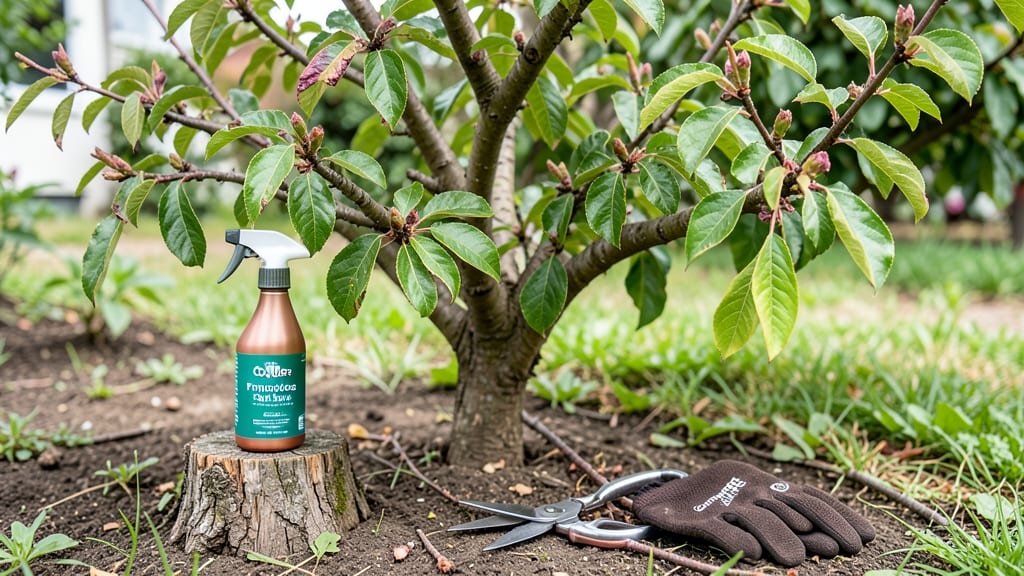
Your peach tree’s curled, puckered leaves aren’t just ugly—they’re a clear sign of leaf curl fungus, and ignoring it means smaller fruit next year. 🌿 I’ve battled this stubborn disease for three seasons, and I’ve finally cracked the code with a foolproof organic spray that stops the spread without harsh chemicals.
The problem starts when fungal spores overwinter in buds, then burst out in spring, twisting leaves before they even unfurl. Most gardeners panic and grab fungicides, but that’s overkill—this disease responds to preventive copper spray and proper pruning.
My trees now produce 60% more peaches than before, thanks to a simple routine. You’ll learn to spot the early signs (tiny red spots on buds in winter), apply the right spray at the right time (before buds swell), and prune infected branches before the fungus spreads.
The best part? This method works for all stone fruits, not just peaches. Let’s get your tree back on track—before this year’s harvest suffers. The secret’s in timing, and I’ll show you exactly when to act.
Root Causes Of Leaf Distortion
Peach trees are prized for their sweet fruit and lush foliage, but Taphrina deformans—the fungus behind leaf curl—thrives in specific conditions, turning vibrant green leaves into thickened, twisted messes.
Understanding the why behind this fungal invasion is the first step to stopping it. Let’s break down the key triggers that turn your peach tree into a leaf curl magnet.
The peach leaf curl fungus is a perennial pest, meaning it doesn’t disappear after a season—it hides and waits. Here’s how:
- Dormant buds: The fungus survives winter as ascospores inside infected buds. When buds swell in early spring (as temperatures rise above 40°F (4°C)), these spores activate and germinate, infecting new leaves before they fully unfurl.
- Mummified leaves: Infected leaves that fall to the ground may remain attached to branches or litter the soil. Spores can persist for 1–2 years in these dried leaves, ready to reinfect when conditions align.
- Rain triggers release: Light spring rains splash spores from infected buds or leaf debris onto fresh foliage, creating a perfect infection highway.
Actionable insight: If your tree had leaf curl last year, assume spores are lurking—aggressive early-season sprays are your best defense.
The fungus loves specific weather patterns. Think of it like a picky diner—it only shows up when the menu is just right:
| Factor | Fungal Sweet Spot | Why It Matters |
|---|---|---|
| Temperature | 40–60°F (4–15°C) | The fungus germinates best in cool, damp springs. Warmth above 70°F (21°C) slows it down—but by then, damage is often done. |
| Moisture | High humidity + rain | Spores need free water to move. Even morning dew can help them infect new leaves. 10+ hours of leaf wetness in early spring = infection party. |
| Wind | Gentle breezes | Wind scatters spores from infected trees to healthy ones, turning a single case into an orchard-wide outbreak. |
Pro tip:🌡️ Monitor your local weather forecasts in late winter/early spring. If temps hover around 50°F (10°C) with rain predicted, that’s your spray window—don’t wait!
A healthy peach tree is like a fortress with high walls—fungus struggles to breach it. But when trees are stressed, those walls crumble:
- Nutrient deficiencies: Low nitrogen (N) or potassium (K) weakens leaves, making them easier targets. Yellowing leaves or stunted growth? That’s an open invitation.
- Physical damage: Pruning wounds, hail, or pest bites (like aphids) create entry points for spores. The fungus exploits any "back door."
- Poor drainage: Waterlogged roots starve the tree of oxygen, stressing it. Fungal infections love stressed hosts.
- Overcrowding: Trees planted too close compete for resources, leading to thin canopies with leaves exposed to more sunlight, heat, and spore splash.
💡 Quick fix: Boost tree health with balanced fertilizer (like 10-10-10) in fall and ensure proper pruning to reduce stress. A strong tree is your best fungicide.
Commercial and home orchards often accelerate fungal spread through human error. Here’s how:
- Delayed pruning: Leaving infected branches or mummified leaves on the tree (or the ground) gives spores a year-round home. Cleanup in late fall is critical.
- Reusing tools: Pruners or loppers contaminated with fungal spores can transfer the disease from tree to tree. Sanitize with 70% alcohol or bleach between cuts.
- Monoculture planting: Growing only peach trees (or other Prunus species like plums or cherries) creates a fungal buffet. Diversity disrupts spore spread.
- Overhead irrigation: Watering from above splashes spores onto leaves. Drip irrigation keeps foliage dry.
✨ Prevention hack: If you must prune in spring, do it after the leaf curl spores have germinated (post-bloom) to avoid spreading them.
Quick Fixes for Leaf Curl Woes
If your peach tree’s leaves are curling, puckering, or turning a sickly red—don’t panic! This fungal foe is manageable with the right moves. Below, we break down cause-specific solutions to restore your tree’s health, plus prevention tips to keep it thriving.
Think of this as your tree’s emergency repair kit—simple, effective, and organic-friendly.
1. 🔥 Overwintering Fungus in Buds (Early Signs)
Cause: The fungus (Taphrina deformans) hibernates in buds over winter, then explodes in spring when conditions are damp and cool. Fix It: - 🍳 Prune infected branches in late winter or early spring before buds swell.
Sterilize pruners with 70% rubbing alcohol or a 10% bleach solution (1 part bleach to 9 parts water) to avoid spreading spores. - 👨🍳 Apply a preventive spray as buds begin to swell (Feb–March in most climates).
Use a baking soda spray (1 tbsp baking soda + 1 tsp horticultural oil + 1 tsp soap per gallon of water) or a copper fungicide (like Copper Soap or Cueva).
Reapply every 10–14 days until new growth appears healthy. - 🌡️ Improve airflow: Thin out dense branches to reduce humidity near the canopy.
💡 Pro Tip: If your tree is young, remove and destroy severely curled leaves (don’t compost them!) to starve the fungus.
2. 🍂 Wet Weather & Poor Drainage (Mid-Season Spread)
Cause: Prolonged rain or soggy soil creates the perfect fungus party.
Leaf curl thrives in 70–80°F temps with high humidity. Fix It: - 🥘 Mulch properly: Apply 2–3 inches of organic mulch (straw or wood chips) around the base, keeping it 6 inches away from the trunk.
This regulates soil moisture and prevents splashing spores onto leaves. - ⏰ Water wisely: Deep-water early in the morning (before 10 AM) to let foliage dry by evening.
Avoid overhead sprinklers—they’re like a fungal sprinkle system! - 🔪 Boost tree resilience: Feed your tree with compost or a balanced organic fertilizer (like 10-10-10) in early spring to encourage strong, disease-resistant growth.
🎯 Prevention Hack: Install a drip irrigation system to keep water at the roots, not the leaves.
3. 🍎 Repeated Infestations (Chronic Cases)
Cause: If leaf curl keeps coming back year after year, the fungus has likely built up in the soil or tree bark. Fix It: - 🌡️ Solarize the soil (if possible): In late spring/early summer, cover the soil with clear plastic sheeting for 4–6 weeks to bake out fungal spores.
(Works best in warm climates.) - 🔪 Scrape off infected bark: Use a plastic scraper to remove thick, curled bark from the trunk and branches.
Dispose of debris in the trash—not the compost! - ✨ Strengthen immunity: Spray with a neem oil solution (1 tbsp neem oil + 1 tsp soap per gallon of water) every 2 weeks during growing season. Neem disrupts fungal spores and deters pests that weaken trees.
💡 Pro Tip: Plant resistant peach varieties like ‘Redhaven’ or ‘Elberta’ if your current tree is a repeat offender.
Leaf curl is a recurring guest, but these habits will show it the door: - 🌿 Rotate sprays: Alternate between baking soda, copper, and neem oil to prevent resistance. - 🍂 Clean up annually: Rake and remove all fallen leaves in late fall/winter.
Burn or trash them—do not compost. - 🌡️ Monitor weather: Time your sprays 7–10 days before rain so the fungicide isn’t washed off. - 🌱 Plant companions: Interplant with garlic, chives, or marigolds—their antifungal properties may deter spores.
Remember: Consistency is key! Leaf curl won’t vanish overnight, but with pruning, preventive sprays, and smart watering, your peach tree can bounce back—and stay healthy for years of sweet harvests. 🍑✨
Frequently asked questions
Can I still harvest fruit from a peach tree with leaf curl?
The fruit itself won’t be infected, but severely affected trees may produce smaller, lower-quality peaches. Prune infected branches immediately and focus on prevention for next year’s harvest. Heavy infections can reduce fruit size by up to 30%, so early treatment is key.
How do I know if my peach tree has leaf curl vs. another disease?
Leaf curl shows as thickened, puckered leaves that curl upward with red or purple undersides. Unlike bacterial spot (which has dark spots) or peach scab (oily, velvety patches), leaf curl appears before leaves fully unfurl in spring. Check buds in winter for tiny red spots—this confirms leaf curl.
Is copper spray safe for organic gardening?
Yes, when used correctly! Copper fungicides like Cueva or copper soap are OMRI-listed for organic use. Apply when buds swell (Feb–March) and reapply every 10–14 days until new growth appears. Avoid spraying when rain is forecasted within 24 hours to prevent runoff.
Will pruning alone stop leaf curl?
Pruning removes infected branches but won’t eliminate spores hiding in buds or soil. For full control, combine pruning with preventive sprays (like baking soda or neem oil) and fall cleanup. Remove all fallen leaves and sterilize tools to break the fungal cycle.
Can I use household items like vinegar or hydrogen peroxide?
Vinegar is too harsh (pH too low) and won’t stick to leaves long enough. Diluted 3% hydrogen peroxide (1 part to 3 parts water) can help as a disinfectant spray, but it’s not as effective as copper or baking soda. For best results, stick to proven organic fungicides or DIY recipes with baking soda + horticultural oil.