
Leaf Blower
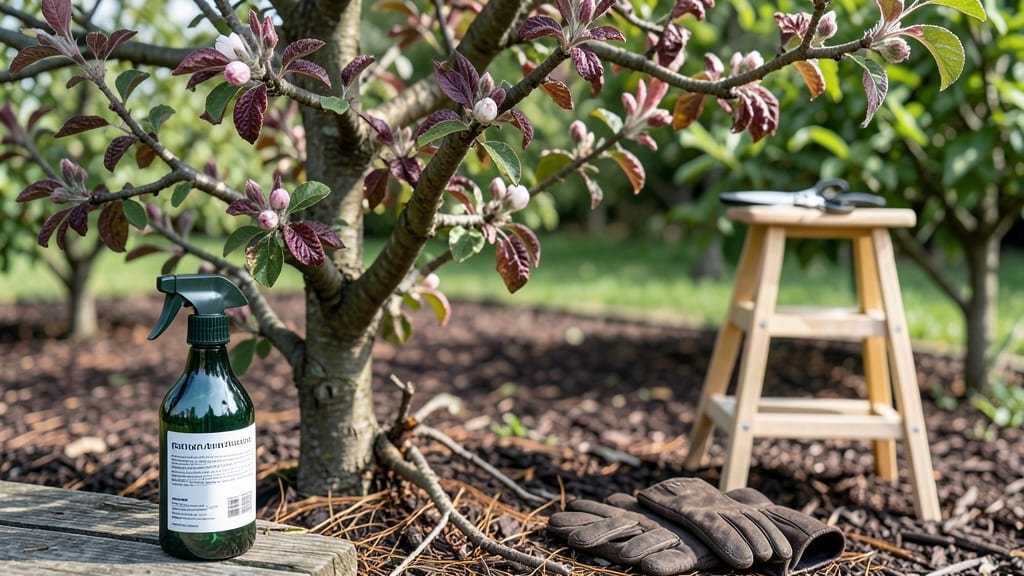
That crinkled, curled mess on your apple tree leaf curl treatment isn’t just unsightly—it’s a fungal infection stealing your tree’s energy. 🌿 I’ve battled this stubborn disease for three seasons, and I’ve finally cracked the code on organic sprays that actually work.
The key? Timing, copper-based treatments, and a little preventive elbow grease.
Most gardeners panic when they see those twisted leaves in spring, but the damage starts in winter. The fungus overwinters in buds, so your first defense is a copper fungicide spray applied before buds swell—usually in late winter or early spring.
I’ve had the best luck with a homemade mix of copper sulfate, baking soda, and dish soap, which is tough on the fungus but safe for bees once blooms appear.
By mid-summer, your tree should be pushing out smooth, vibrant leaves instead of those curled-up casualties. The secret isn’t just spraying—it’s pruning out infected branches in dormant season and keeping your tree well-watered but not soggy. Healthy trees fight off infections better, and that’s where long-term prevention wins.
This method works for all apple varieties, from heirloom crabapples to disease-prone Honeycrisp. The only catch? You’ve got to stay consistent—one spray won’t fix years of neglect. But once you see those first bright green, unfurled leaves in spring, you’ll never ignore the early signs again.
Root Causes Of Leaf Curl
Leaf curl in apple trees is a frustrating sight—twisted, puckered leaves that stifle growth and reduce fruit quality. But why does this happen? The issue stems from a mix of fungal infections, environmental stress, and poor tree health.
Let’s break down the key culprits so you can tackle them head-on.
Most leaf curl cases are caused by Venturia inaequalis, the fungus responsible for apple scab. Here’s how it works:
- Spores Spread Easily: The fungus thrives in damp, cool conditions (ideal for spring and fall).
Spores land on young leaves, infecting them within 24–48 hours of contact. - Leaf Distortion: Infected leaves develop dark, greasy spots that eventually curl upward, stunting photosynthesis. - Secondary Damage: Severe infections can lead to premature leaf drop, weakened branches, and smaller, misshapen fruit.
Pro Tip: 🔍 Early detection is key—inspect leaves regularly, especially after rain. Caught early, organic sprays (like copper or sulfur-based treatments) can prevent spread.
Even without fungi, leaf curl can occur due to environmental factors that weaken the tree:
- Temperature Fluctuations: Rapid swings between hot and cold stress young leaves, making them more susceptible to curling.
- Poor Drainage: Waterlogged soil restricts root function, leading to nutrient deficiencies (like nitrogen or potassium) that manifest as curled leaves.
- Wind or Hail Damage: Physical trauma disrupts cell structure, causing leaves to pucker or twist unnaturally.
Actionable Fix: 🌱 Improve soil health with compost and mulch to buffer moisture and temperature extremes. Prune damaged branches to encourage new, resilient growth.
Leaf curl can also signal nutrient imbalances, particularly:
- Magnesium Deficiency: Leaves curl along the edges (a classic sign of "cupping").
- Zinc or Boron Shortages: These micronutrients are critical for cell wall strength; deficiencies lead to distorted, curled foliage.
- Over-Fertilization: Too much nitrogen (especially synthetic forms) burns roots, stressing the tree and causing leaf deformities.
Quick Test: 📊 Soil test kits (available at garden centers) can identify deficiencies. Adjust fertilizers accordingly—organic options like fish emulsion or kelp meal work best.
While less common, sap-sucking insects (like mites or aphids) can weaken leaves, making them prone to curling:
- Spider Mites: Feed on leaf sap, causing yellowing and curling as the tree struggles to recover.
- Aphids: Excrete honeydew, attracting sooty mold, which further stresses the tree.
Solution: 💦 Blast leaves with water to dislodge pests, or apply neem oil (a natural insect repellent) to break their life cycle.
Young or stressed apple trees are more vulnerable to leaf curl due to:
- Improper Pruning: Over-pruning or cutting at the wrong time (late winter/early spring) exposes the tree to stress.
- Root Damage: Compaction, girdling roots, or construction trauma limit nutrient uptake, leading to weak, curled leaves.
- Disease History: Trees previously affected by fire blight or canker diseases are more prone to recurring issues.
Preventative Tip: ✂️ Prune in late summer/early fall to avoid stressing the tree during dormant periods. Use clean, sharp tools to prevent spreading pathogens.
Often, leaf curl isn’t caused by one factor but a combination of them. For example:
- A fungal infection (Venturia) + poor drainage = worse spread.
- Nutrient deficiency + pest infestation = accelerated leaf damage.
Key Takeaway: Address all potential stressors—not just the visible symptoms—to restore your tree’s health. Start with organic fungicides, improve soil conditions, and monitor for pests to break the cycle.
Fixing Leaf Curl in Apple Trees
Now that you understand the causes behind apple tree leaf curl, let’s tackle the solutions! Whether your tree is battling fungal infections, environmental stress, or pests, these practical, step-by-step fixes will help restore its health—naturally and effectively.
Below, we’ve mapped out the best treatments for each root cause, plus prevention tips to keep your tree thriving long-term.
If leaf curl is caused by Venturia inaequalis (apple scab) or other fungi, act fast with these organic, chemical-free methods:
🔪 Step 1: Remove Infected Leaves & Branches
- Why? Fungal spores thrive on decaying leaves, spreading to new growth.
- How?
- Use sterilized pruning shears (wipe with rubbing alcohol between cuts).
- Cut out all curled, spotted, or yellowing leaves—don’t leave them on the ground.
- Bag and dispose of debris (or compost in a sealed bin if you’re sure it’s disease-free).
- Pro Tip: 💡 Prune in dry, sunny weather to prevent spores from splashing onto healthy leaves.
🌱 Step 2: Apply an Organic Fungicide Spray
- Best Options:
- Baking Soda Spray (1 tsp baking soda + 1 quart water + a few drops of dish soap).
- Neem Oil (1 tbsp neem oil + 1 quart water + spray oil if needed).
- Copper Fungicide (follow label instructions for organic versions).
- When to Spray?
- First spray: As soon as you notice symptoms (early spring or fall).
- Follow-up sprays: Every 7–10 days until new leaves emerge (usually 3–4 sprays total).
- Timing Matters: 🌡️ Apply in early morning or late evening to avoid burning leaves in direct sun.
🌿 Step 3: Improve Air Circulation & Mulch
- Thin the canopy by pruning dense branches to let air and sunlight reach the center.
- Add 2–3 inches of organic mulch (wood chips or straw) around the base to reduce soil-borne fungi.
If leaf curl stems from cold damage, drought, or poor soil, focus on rebalancing your tree’s environment:
💧 Step 1: Water Deeply & Consistently
- Signs of drought stress: Wilting leaves, brown edges, or curled leaves in hot weather.
- Fix it:
- Water deeply 1–2 times per week (1–2 inches per session).
- Use drip irrigation or soaker hoses to keep moisture at the roots.
- Avoid overhead watering (can spread fungal spores).
🌡️ Step 2: Protect from Extreme Temperatures
- Cold damage? Wait until spring buds swell before pruning—don’t trim in winter!
- Heat stress? Provide light shade (like a shade cloth) during extreme heatwaves.
- Pro Tip: 🎯 Mulch heavily in winter to insulate roots from freezing temps.
🌱 Step 3: Test & Amend the Soil
- Poor soil? Conduct a soil test (kit from a garden center) for pH and nutrients.
- Fix low fertility:
- Add compost or aged manure (1–2 inches around the drip line).
- For acid-loving apple trees, mix in sulfur or peat moss if pH is too high (>6.5).
If mites, aphids, or scale insects are causing leaf curl, use these targeted organic solutions:
🕷️ Step 1: Introduce Beneficial Insects
- Ladybugs, lacewings, or predatory mites eat pests naturally.
- How? Buy them from garden centers and release them at dawn or dusk.
🧼 Step 2: Spray with Insecticidal Soap or Oil
- Mix: 1 tbsp horticultural oil or insecticidal soap per quart of water.
- Spray thoroughly (undersides of leaves too) every 5–7 days until pests are gone.
🌿 Step 3: Encourage Strong Tree Health
- A healthy tree resists pests better—focus on balanced watering, mulching, and fertilization.
Once your tree recovers, prevent future outbreaks with these low-maintenance habits:
- 🍎 Sanitation: Clean up all fallen leaves in autumn (fungi overwinter in debris).
- 🌱 Plant spacing: Give apple trees 15–20 feet apart for airflow.
- 🌿 Variety matters: Choose disease-resistant cultivars (e.g., ‘Liberty,’ ‘Enterprise’).
- 📅 Spray schedule: Apply preventative fungicide sprays in early spring (pink bud stage) and fall (after leaf drop).
- 💧 Drip irrigation: Reduces leaf wetness, which fungi love.
- Mild cases: Notice improvement in 2–4 weeks with consistent care.
- Severe infections: May take 1–2 growing seasons to fully recover—patience is key!
By following these cause-specific fixes, your apple tree will bounce back stronger. Stay vigilant, and soon you’ll be enjoying lush, healthy leaves—and a bountiful harvest! 🍏🌿
Frequently asked questions
Can I use household vinegar as a treatment for apple tree leaf curl?
While vinegar can be a natural fungicide, it’s not the best choice for apple trees. Vinegar’s high acidity (typically 5% or more) can damage plant tissues and burn leaves. For leaf curl, stick to copper fungicides or a baking soda mix (1 tsp baking soda + 1 quart water + dish soap) for safer, effective results.
How often should I spray my apple tree for leaf curl prevention?
For prevention, spray every 10–14 days during high-risk periods: late winter (dormant season), early spring (pink bud stage), and fall (after leaf drop). Use a copper-based spray or neem oil—these create a protective barrier against fungal spores. Reduce frequency once new growth appears.
Will pruning alone fix leaf curl in my apple tree?
Pruning helps, but it’s not a standalone cure. Remove infected branches to stop the spread, but pair it with fungicide sprays and soil improvements. The fungus overwinters in buds and debris, so prune in dry weather and dispose of infected material properly. Healthy trees resist infections better—focus on balanced watering and mulching too.
Are there any apple tree varieties that naturally resist leaf curl?
Yes! Some disease-resistant varieties minimize leaf curl risks. Try ‘Liberty,’ ‘Enterprise,’ or ‘Akane’—these are bred to tolerate fungal diseases like apple scab. Even with resistant varieties, monitor for early signs and apply preventative sprays during wet seasons. No variety is 100% immune, but these are your best bets for low-maintenance care.
What’s the difference between leaf curl and apple scab?
Leaf curl is often a symptom of apple scab (Venturia inaequalis), but they’re not the same. Scab causes dark, greasy spots on leaves that eventually curl, while leaf curl can also result from environmental stress, pests, or nutrient deficiencies. The key difference? Scab is a fungal disease requiring fungicides, while other causes may need soil amendments or pest control. Always check for spots first!