
Leaf Blower
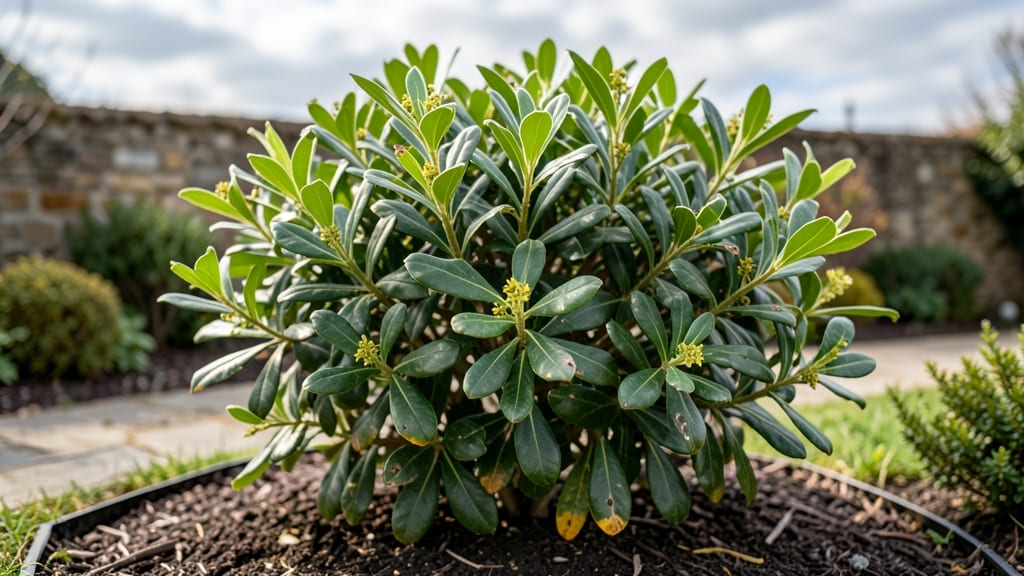
Your bay tree’s leaf curl could mean spider mites, fungal infections, or just too much sun. 🌿 I've nursed back more than a few struggling bay trees, and the first step is figuring out what's really causing the damage—because the fix depends entirely on the culprit.
Start by flipping those leaves over: tiny webs or specks mean mites or aphids, while yellowing edges suggest environmental stress. If the curl looks like it's wrapped in a blanket, it might be a fungal issue.
Grab a magnifying glass and check the undersides—what you see there tells you exactly what to treat. Once you know the problem, you can tackle it organically. For pests, a strong spray of water or neem oil does the trick; for fungal issues, prune the worst leaves and improve airflow.
The key is acting fast—bay trees bounce back surprisingly well when you catch the issue early. Prevention is easier than fixing: keep your tree well-watered but not soggy, trim it to let air circulate, and avoid planting it where it gets scorched by afternoon sun.
With the right care, your bay tree will be back to its glossy, healthy self in no time.
Understanding Leaf Distress Causes
Bay trees are prized for their glossy, aromatic foliage, but when leaves start curling or developing unsightly spots, it’s often a sign of stress. Let’s break down the key culprits behind these symptoms, so you can address the root issue and restore your tree’s health.
---
Bay trees thrive in specific conditions, and when these are disrupted, their leaves react with curling or distortion. Here’s what’s likely throwing them off balance:
- Temperature Fluctuations Bay trees prefer moderate climates (USDA Zones 7–10). Sudden drops below 20°F (-6°C) or heatwaves above 90°F (32°C) can shock the plant, causing leaves to curl as a protective response.
Cold damage often appears as brown, crispy edges, while heat stress may lead to yellowing or puckering.
- Actionable fix: Mulch the base with 2–3 inches of organic matter (like wood chips) to regulate soil temperature. In extreme heat, provide light shade with a sheer cloth during peak sun hours.
- Watering Imbalances Overwatering or underwatering are top offenders for leaf curl in bay trees.
Roots need consistent moisture but hate soggy soil—both extremes lead to stress. - Underwatering: Leaves curl inward to conserve moisture, often paired with dry, brittle edges. - Overwatering: Roots suffocate, leading to yellowing, curling, and fungal infections (like root rot).
Check soil moisture by sticking your finger 2 inches deep—if dry, water; if muddy, hold off.
- Pro tip: 💡 Use a moisture meter for accuracy, and ensure pots have drainage holes. Bay trees prefer slightly dry soil over soggy conditions.
- Wind and Physical Damage Strong winds or abrasive tools (like lawnmowers) can tear or bruise leaves, triggering a curling response as the tree tries to "repair" the damage. Look for uneven curling or tattered edges—a dead giveaway.
- Fix it: Prune damaged leaves with sterilized shears and stake young trees in windy areas. Avoid pruning during wet weather to prevent disease entry.
---
When leaves curl or develop spots, tiny invaders or pathogens are often the hidden villains. Here’s how to spot them:
- Spider Mites These microscopic pests thrive in hot, dry conditions and suck sap from leaves, causing silver undersides, stippling, and curling. Infestations spread fast—check the leaf undersides for fine webbing.
- Combat them: 🔥 Spray leaves with a strong stream of water to dislodge mites, then apply neem oil (1 tsp per quart of water) weekly. Ladybugs are natural predators—introduce them if possible!
- Scale Insects Scale insects attach to stems/leaves and excrete sticky honeydew, attracting sooty mold (a black fungal growth). Infested leaves may curl upward or develop yellow patches.
- Remove them: Scrape off visible scales with a soft brush dipped in rubbing alcohol (70% isopropyl). For severe cases, use horticultural oil in early spring before new growth emerges.
- Fungal Infections (e.g., Bay Leaf Spot) Fungi like Mycosphaerella cause dark spots with yellow halos, leading to leaf curl as the plant tries to isolate the infection. Overhead watering or humid conditions create the perfect breeding ground.
- Prevent spread: 🌡️ Space plants for airflow, avoid wetting leaves when watering, and remove fallen leaves (where spores lurk). Apply copper fungicide as a preventive spray every 4–6 weeks.
---
Bay trees are heavy feeders, and poor nutrition weakens leaves, making them vulnerable to curling. Watch for these tell-tale signs:
| Symptom | Likely Deficiency | Solution | |---------------------------|-----------------------|------------------------------------------------------------------------------| | Pale green/yellow leaves | Nitrogen (N) | Apply balanced fertilizer (10-10-10) in early spring and mid-summer. | | Yellow between veins | Iron (Fe) | Use chelated iron supplement or amend soil with compost. | | Purple stems/leaves | Phosphorus (P) | Feed with bone meal or a high-phosphorus fertilizer (5-10-10). | | Small, curled leaves | Magnesium (Mg) | Sprinkle Epsom salt (1 tbsp per gallon of water) monthly during growing season. |
- Soil test first! 📊 Before fertilizing, test your soil’s pH (bay trees prefer 6.0–7.0). Acidic soil (below 6.0) locks out nutrients like iron and manganese.
--- Healthy roots = happy leaves. If the root system is compromised, the whole tree suffers:
- Compacted or Poor-Draining Soil Roots struggle to access oxygen and water, leading to stunted growth and curled leaves. Test by digging down 6–8 inches—if the soil feels like concrete, it’s compacted.
- Fix it: Loosen soil with a garden fork, mix in perlite or sand, and top-dress with compost annually.
- Root Bound Pots Bay trees in containers outgrow their pots quickly. Roots circling the bottom strangle themselves, causing leaf curl and poor vigor.
- Solution: Repot every 2–3 years into a container 2–3 inches larger with fresh well-draining potting mix. Trim circled roots before repotting.
--- Even well-meaning gardeners can accidentally harm bay trees with over-fertilization or herbicides:
- Salt Build-Up Too much fertilizer or tap water (high in chlorine/sodium) causes leaf burn and curling. Symptoms include crispy edges and stunted growth.
- Flush the soil: Water the tree thoroughly with plain water for 10–15 minutes to leach out salts. Use rainwater or distilled water for potted plants.
- Herbicide Drift Bay trees are sensitive to glyphosate and other systemic herbicides. Drift from nearby treatments can cause leaf curl, yellowing, or death.
- Prevent it: If treating lawns, avoid spraying when windy and keep bay trees at least 10 feet away from herbicide applications.
Fixing Curled and Spotted Leaves
Reviving your bay tree’s vibrant, healthy leaves is totally doable—even if they’re currently curling or dotted with unsightly spots. The good news? Most issues respond well to organic, hands-on care.
Below, we’ve mapped out practical fixes based on the most common causes, plus prevention tips to keep your tree thriving long-term.
---
If your bay tree’s leaves are curling and the soil feels soggy, overwatering is likely the culprit. Bay trees prefer well-drained soil and hate "wet feet."
How to Fix It: - 🔥 Stop watering immediately – Let the top 2–3 inches of soil dry out completely before watering again. - 🍳 Repot if needed – If the pot lacks drainage holes, transfer your tree to a container with holes or add a layer of gravel/perlite at the bottom. - 👨🍳 Prune damaged leaves – Snip off any yellowing or curled leaves with clean scissors to redirect energy to healthy growth. - ⏰ Water deeply but less often – Bay trees thrive on drought-like conditions between waterings. Stick your finger in the soil—if it’s dry 1–2 inches down, it’s time.
💡 Pro Tip: Bay trees in terracotta pots dry out faster than plastic. If you’re a forgetful waterer, terracotta is your best friend!
---
Bay trees love sunlight but can fry if exposed to intense afternoon rays, especially in hot climates. Curling leaves with brown or crispy edges often mean sunburn.
How to Fix It: - 🌿 Move to partial shade – Place your tree where it gets morning sun and afternoon shade (east or north-facing windows are ideal). - 🔪 Trim affected leaves – Remove severely damaged foliage to prevent further stress. - 🌡️ Mist leaves on hot days – A light spray of water can help cool the leaves (do this in the early morning or evening to avoid fungal issues). - 🎯 Use shade cloth – If outdoors, drape 30–50% shade cloth over the tree during peak sun hours (11 AM–3 PM).
✨ Prevention Bonus: If growing outdoors, gradually acclimate young bay trees to full sun over 2–3 weeks to harden them.
---
Tiny pests suck sap from leaves, causing curling, yellowing, and sticky residue. Common culprits: spider mites, scale insects, or aphids.
How to Fix It: - 🔥 Inspect leaves closely – Look for webbing (mites), white bumps (scale), or tiny bugs on undersides. - 🍳 Blast off pests – Spray leaves with a strong stream of water to dislodge them (repeat every 3–4 days). - 👨🍳 Apply neem oil or insecticidal soap – - Mix 1 tsp neem oil + 1 tsp mild soap + 1 quart water in a spray bottle. - Coat both sides of leaves and the soil (pests hide there too!). - Reapply every 5–7 days until pests vanish. - 🔪 Prune heavily infested branches – Bag and dispose of them to stop the spread.
💡 Pro Tip: Ladybugs and lacewings are natural pest predators! Attract them by planting marigolds or dill nearby.
---
If leaves are curling with white powdery spots or black spots, a fungal infection may be to blame—often from high humidity or poor airflow.
How to Fix It: - 🌡️ Increase airflow – Move the tree to a less crowded spot or use a small fan on low setting nearby. - 🍳 Prune for better circulation – Trim back dense branches to allow air and light to reach the center. - 👨🍳 Spray with baking soda solution – - Mix 1 tbsp baking soda + 1 tsp soap + 1 gallon water. - Spray every 7–10 days until symptoms fade. - 🔪 Remove infected leaves – Don’t compost them—dispose in the trash to prevent reinfection.
🎯 Prevention: Water at the base (not overhead) and avoid wetting leaves when possible.
---
Yellowing or curling leaves can signal lack of key nutrients, especially iron, nitrogen, or magnesium.
How to Fix It: - 📊 Test your soil – A simple DIY soil test kit (available at garden centers) can reveal deficiencies. - 💪 Use organic fertilizers – - For nitrogen (green growth): Coffee grounds or fish emulsion. - For iron (yellowing between veins): Epsom salt soak (1 tbsp per gallon of water, applied monthly). - For magnesium (yellow patches): Dolomitic lime (sprinkle lightly around the base). - ⏰ Feed in spring & summer – Avoid fertilizing in winter or fall when the tree is dormant.
💡 Pro Tip: Worm castings are a powerhouse fertilizer—mix 1 cup into the topsoil for a slow-release nutrient boost!
--- Bay trees are tender to cold—sudden chills or drafts can cause leaves to curl, brown, or drop.
How to Fix It: - 🌿 Move indoors temporarily – If frost is forecasted, bring potted bay trees inside near a sunny window. - 🔥 Use frost cloth – Drape breathable frost fabric over outdoor trees for light protection. - 🌡️ Avoid drafty spots – Keep trees away from AC vents, open windows, or garage doors. - 🎯 Mulch outdoor bases – Add 2–3 inches of mulch around the root zone to insulate roots.
✨ Prevention: If growing outdoors in cold climates, choose dwarf varieties (like ‘Tiny Tim’) that tolerate cooler temps better.
--- To keep your bay tree leaf-curl-free, follow these year-round habits: ✅ Water wisely – Let soil dry between waterings. ✅ Monitor pests weekly – Early detection = easier fixes! ✅ Prune regularly – Remove dead/curled leaves to encourage new growth. ✅ Fertilize seasonally – Stick to spring/summer feeding. ✅ Adjust light gradually – Avoid sudden sun/shade changes.
With these steps, your bay tree should bounce back in 4–6 weeks—and those beautiful, fragrant leaves will be curl-free and spotless in no time! 🌿✨
Frequently asked questions
Why are my bay tree leaves curling upward instead of downward?
Upward curling often signals underwatering or pest infestation like spider mites. Check the soil—if dry 2 inches deep, water thoroughly. Flip leaves to spot tiny webs (mites) or sticky residue (scale insects).
Can I save my bay tree if half the leaves are curled?
Yes! Prune only the worst-affected leaves (use sterilized shears) and focus on fixing the root cause. For pests, neem oil works in 5–7 days. For environmental stress, adjust watering or light immediately. Most bay trees recover fully with proper care.
Is baking soda safe for treating fungal leaf curl?
Mix 1 tbsp baking soda + 1 tsp mild soap + 1 gallon water and spray every 7–10 days. It’s non-toxic and disrupts fungal spores. For severe cases, add copper fungicide (follow label rates). Always test on a small leaf first.
How often should I fertilize a bay tree with curled leaves?
Fertilize only in spring/summer—never in winter. Use a balanced 10-10-10 fertilizer every 6–8 weeks or organic options like fish emulsion. Over-fertilizing burns roots, worsening leaf curl. Always water before applying.
Will my bay tree grow back healthy leaves after leaf curl?
Yes! With proper care, new growth emerges within 4–6 weeks. Focus on fixing the cause (pests, water, light) and prune damaged leaves to redirect energy. Bay trees are resilient—just avoid stress factors like soggy soil or herbicide drift.