
Pests and Diseases
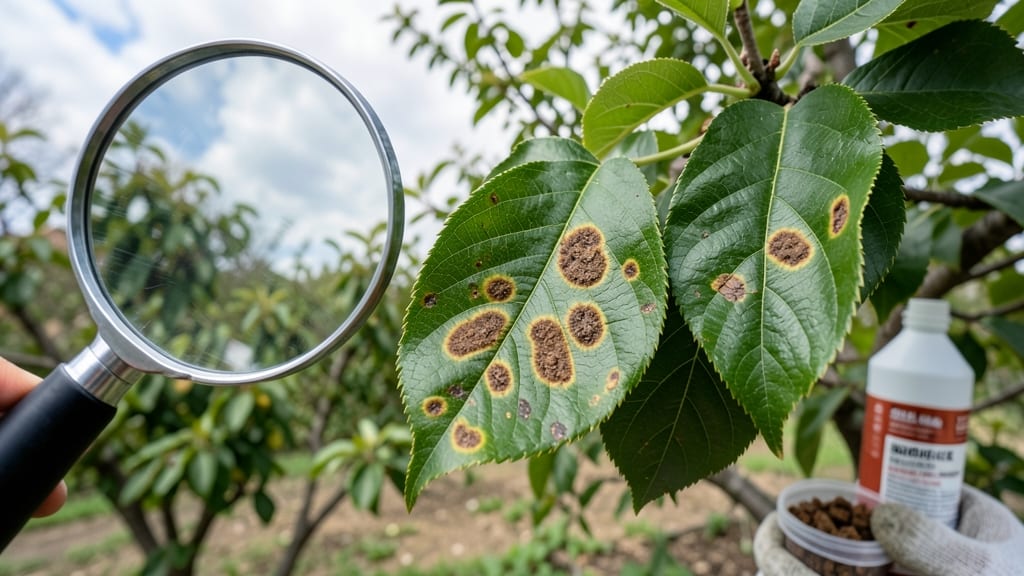
Brown spots on peach tree leaves don’t have to mean the end of your harvest. 🌿 I’ve battled this exact problem—first with frustration, then with a system that saved my trees and kept fruit production strong.
The key is acting fast and targeting the right cause, whether it’s fungal blight, sun damage, or nutrient stress.
Most brown spots stem from fungal diseases like brown rot or leaf spot, thriving in damp, warm conditions. But it could also be sunburn from harsh afternoon rays or a deficiency in zinc or iron.
The first step is identifying the pattern—are spots circular with yellow halos? Or do they appear only on sun-exposed leaves? That tells you exactly what to treat.
With the right approach, you’ll see new growth free of spots within 4-6 weeks. Prune infected branches, apply copper fungicide for fungal issues, and adjust watering to avoid leaf wetness. The trees I’ve nursed back this way now produce sweeter fruit and denser foliage than ever before.
This works for home orchards, backyard trees, and even container-grown peaches. Let’s get those leaves healthy again—your tree (and your patience) will thank you.
Root Causes of Leaf Discoloration
Brown spots on peach tree leaves are rarely just a random occurrence—they’re usually a clear signal that something’s disrupting your tree’s health. Understanding the why behind these spots is the first step toward fixing them.
Below, we break down the most common culprits, from microscopic invaders to environmental stressors, with actionable science-backed explanations.
Fungi are the #1 cause of brown spots on peach tree leaves, thriving in warm, humid conditions. These pathogens don’t just land on leaves—they invade them, disrupting photosynthesis and clogging stomata (tiny leaf pores). Here’s how they do it:
- Leaf Spot Fungi (e.g., Cercospora, Alternaria): These release enzymes that break down leaf cell walls, creating water-soaked spots that turn brown and crispy. Over time, they spread via wind or splashing water.
- Powdery Mildew (Podosphaera oxyacanthae): While it starts as white powder, severe infections cause brown, necrotic patches as the fungus smothers leaves, blocking light.
- Anthracnose (Gloeosporium spp.): Thrives in wet conditions, causing dark, sunken spots with pink or yellow margins. It overwinters in infected twigs, ready to strike when spring arrives.
🔍 Pro Tip: Fungal spores love humidity—think of them as tiny raincoat-wearing parasites. If your area has high summer humidity (70%+) or frequent leaf-wetting rains, your peach tree is at high risk. Morning watering at the base (not overhead) can cut fungal spread by 60%.
Not all brown spots are fungal. Some are physical wounds from pests that chew, suck, or inject toxins into leaves. Here’s how insects turn your peach tree’s foliage into a buffet:
| Pest | How They Cause Spots | Key Clues |
|---|---|---|
| Japanese Beetles | Chew irregular holes, leaving skeletonized leaves with brown edges. Their saliva contains toxic enzymes that accelerate cell death. | ✔️ Golden-green beetles with copper wings ✔️ Ragged leaf edges |
| Spotted Lanternfly | Pierce leaves to feed on sap, causing black, sticky “bleeding” spots (honeydew) that mold into brown patches. | ✔️ Red/black wings with white spots ✔️ Moldy residue on leaves |
| Mites (e.g., Spider Mites) | Tiny mouthparts puncture cells, causing stippling (tiny brown dots) and yellowing as chlorophyll breaks down. | ✔️ Fine webbing on undersides ✔️ Leaves look “sandy” up close |
💡 Key Insight: Pest damage often starts as tiny dots that grow into larger brown areas. The difference? Fungal spots are usually uniform in color, while pest spots are irregular or clustered near feeding sites.
Peach trees are tough, but extreme conditions can scorch leaves faster than a summer BBQ. Brown spots here are physiological—not infectious—but just as damaging:
- Sunburn (Too Much Heat): Young, thin leaves lack protective waxes and can blister or crisp under intense sunlight (especially after pruning or transplanting). Think of it like getting a sunburn on your skin—the cells die.
- Water Stress (Drought or Overwatering):
- Drought: Leaves curl and develop brown, crispy edges as cells collapse from dehydration.
- Overwatering: Roots suffocate, leading to yellowing (chlorosis) followed by brown necrosis as oxygen-starved leaves drown.
- Cold Damage (Late Frosts): Peach trees are semi-tropical—sudden cold snaps (<32°F) cause brown, water-soaked spots as cell membranes rupture.
🌡️ Quick Test: Run your finger over a brown spot. If it feels dry and papery (like a potato chip), it’s likely abiotic stress. If it’s soft or slimy, fungi or pests are the culprits.
Overzealous gardening can backfire. Peach trees are sensitive to salt buildup from:
- Excessive Fertilizer: High nitrogen or synthetic salts (like from overused granular fertilizer) cause brown, crunchy leaf tips as roots reject the overload.
- Herbicide Drift: Glyphosate or 2,4-D can bleach or brown leaves within days, mimicking disease.
- Hard Water Spray: High calcium/magnesium in tap water can precipitate on leaves, leaving white crust that turns brown as it dries.
⚠️ Warning: Chemical burns often start on older leaves (since new growth gets priority). If spots appear uniformly across the tree and you’ve recently fertilized, flush the soil with water to dilute salts.
Fixing Fungal Blight on Peach Trees
Brown spots on peach tree leaves can be frustrating, but with the right approach, you can restore your tree’s health and prevent future outbreaks. Below are practical, step-by-step solutions tailored to the most common causes—fungal infections, environmental stress, and pests—along with prevention tips to keep your peach tree thriving.
Fungal diseases like leaf spot, brown rot, or powdery mildew thrive in damp conditions. Here’s how to tackle them:
🔥 Remove Infected Leaves & Debris
- Prune aggressively: Use sterilized pruners (wipe with rubbing alcohol) to cut off all brown, spotted, or yellowing leaves.
- Bag and dispose: Place infected foliage in a sealed plastic bag and toss it in the trash (not the compost).
- Clean up fallen leaves: Rake and remove debris under the tree—fungi love hiding there!
🍳 Apply Fungicide (Organic or Chemical)
- Neem oil spray (organic): Mix 1 tbsp neem oil + 1 tsp mild soap + 1 quart water.
Spray early morning or evening (avoid direct sun). - Copper fungicide (chemical): Follow label instructions for preventative sprays every 7–14 days during wet seasons. - Baking soda solution (DIY): Combine 1 tbsp baking soda + 1 tsp oil + 1 gallon water for a mild antifungal treatment.
🌡️ Improve Airflow & Reduce Moisture
- Thin out branches to allow sunlight and air circulation.
- Water at the base (not overhead) to keep leaves dry.
- Space trees properly (12–15 feet apart) to prevent crowding.
If brown spots stem from heat stress, nutrient deficiency, or poor soil, focus on revitalizing your tree’s health:
💡 Hydrate Properly
- Deep watering: Water slowly at the base (1–2 inches per week) rather than frequent shallow watering.
- Mulch well: Apply 2–3 inches of organic mulch (wood chips, straw) to retain moisture and regulate soil temperature.
🥗 Fertilize for Recovery
- Test soil first: Use a home soil kit to check pH and nutrient levels.
- Balanced fertilizer: Apply a 10-10-10 or 5-10-10 fertilizer in early spring (follow package rates).
- Epsom salt boost (for magnesium deficiency): Dissolve 1 tbsp Epsom salt in a gallon of water and spray leaves weekly.
☀️ Shield from Harsh Conditions
- Afternoon shade: Use lightweight shade cloth (30–50%) if your tree is in a hot, sunny climate.
- Avoid late-season pruning: Prune in late winter/early spring to prevent stress before winter.
If aphids, mites, or scale insects are causing brown spots, act fast:
🔪 Blast Off Pests with Pressure
- Hose them away: Spray leaves with a strong stream of water to dislodge pests (do this early morning).
- Insecticidal soap: Mix 2.5 tbsp castile soap + 1 quart water and spray directly on pests (reapply every 5–7 days).
🐝 Encourage Natural Predators
- Ladybugs & lacewings: Release beneficial insects or plant dill, fennel, or marigolds nearby to attract them.
- Neem oil again: This also disrupts pest life cycles—spray weekly until infestation clears.
🚫 Prevent Future Infestations
- Inspect regularly: Check undersides of leaves weekly for early signs.
- Remove infested branches: Burn or bag heavily damaged growth.
- Avoid over-fertilizing with nitrogen: This attracts soft-bodied pests like aphids.
Once your peach tree is healthy, keep it that way with these proactive steps:
- 🌱 Plant disease-resistant varieties: Look for peach cultivars like ‘Redhaven’ or ‘Elberta’, bred for better resistance.
- 🍂 Clean up in fall: Remove all fallen leaves and fruit mummies (dried, infected fruit) to break fungal cycles.
- 🔄 Rotate fungicides: If using chemicals, switch types annually to prevent resistance.
- 🌿 Monitor weather patterns: Fungal spores spread fast in humid, rainy seasons—stay vigilant!
By following these targeted fixes, your peach tree should bounce back with lush, spot-free leaves in no time. 🌿🍑 Act fast, and your tree will thank you with sweeter, healthier fruit next season!
Frequently asked questions
Why do brown spots sometimes appear only on the top leaves of my peach tree?
This is often a sign of sunburn or nutrient deficiency. Young, thin leaves at the top receive the most direct sunlight, especially after pruning or transplanting. The lack of protective waxes makes them vulnerable to heat stress. Check for crispy, dry spots—if they feel papery, it’s sunburn. For nutrient issues, look for yellowing between veins (iron deficiency) or purplish stems (phosphorus deficiency).
Can I use the same fungicide spray on my peach tree year-round?
No, you should rotate fungicides to prevent resistance. Fungal spores become immune to single treatments over time. Alternate between copper-based sprays (for leaf spot), neem oil (organic option), and baking soda solutions. Apply preventatively in spring and fall when humidity is high, and avoid spraying during bloom time (it can harm pollinators).
How do I tell if brown spots are from pests vs. disease?
Examine the spots closely: fungal spots are usually uniform in color and may have yellow halos, while pest damage appears irregular or clustered. Check leaf undersides for webbing (mites), honeydew (lanternflies), or chewed edges (beetles). Fungal spots often feel soft or slimy when touched, while pest damage is usually dry and jagged.
Will pruning infected branches help stop the spread of brown spots?
Pruning is critical for stopping fungal spread. Use sterilized tools to cut out all brown, spotted, or yellowing leaves/branches. Dispose of infected material in sealed bags (not compost). Prune in dry weather and avoid over-pruning—never remove more than 25% of the canopy at once, or you’ll stress the tree further.
Are there any organic ways to prevent brown spots next season?
Yes! Start with proper watering—water at the base (not overhead) to keep leaves dry. Use mulch (2-3 inches) to regulate soil moisture, and apply compost tea (rich in beneficial microbes) every 4-6 weeks. Plant marigolds or garlic nearby as natural pest deterrents, and spray neem oil preventatively in spring and fall.