
Planting
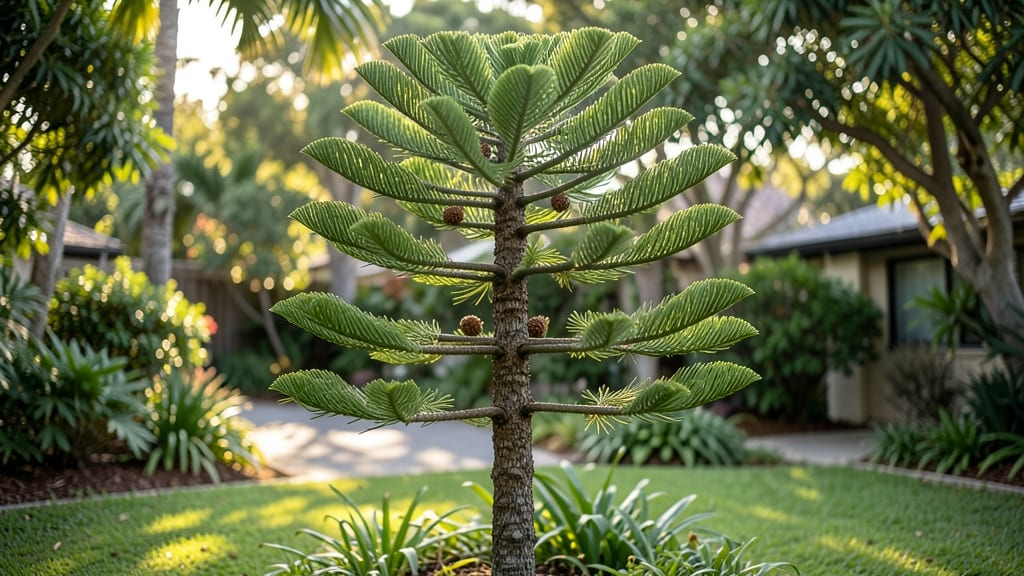
Planting a real Christmas tree means holiday magic that lasts for generations. 🌲 I still remember the first time I saw my Fraser fir's branches heavy with snow—it wasn't just a tree, it was a family tradition growing right in my yard.
The secret starts with the right species: Nordmann firs tolerate transplanting better, while Fraser firs hold their needles longest. You'll need full sun, well-drained soil, and space—these trees grow 6-12 feet tall in 7-10 years.
The best time to plant is early spring or fall, when roots establish before extreme weather. By Christmas morning, you'll have a tree that smells like childhood memories, stays fresh for weeks indoors, and comes back to life every year.
The needles stay vibrant, the scent fills your home, and you skip the lot hassle entirely. Works for rural homesteads or suburban backyards with proper spacing. Here's how to give your future holiday tree the best start!
📚 In This Guide
- What you need
- Instructions
- Tips and common mistakes
- Wrapping up and next steps
What you need
- ● Christmas tree seedlings or saplings – Choose Abies (fir), Picea (spruce), or Pinus (pine) varieties. Buy 1-3 plants depending on your space and design.
- ● Shovel or trowel – A garden shovel (for digging) and a hand trowel (for precision planting).
- ● Gloves – Heavy-duty gardening gloves to protect your hands from thorns and rough bark.
- ● Mulch – Pine straw, wood chips, or shredded bark (3-4 inches thick) to retain moisture and suppress weeds.
- ● Fertilizer – A slow-release, acid-loving plant fertilizer (e.g., 10-10-10 or pine tree-specific blend).
- ● Watering can or hose – A soaker hose or watering can with a rose attachment for deep, gentle watering.
- ○ Stakes and twine (optional) – Useful for young trees to provide support in windy areas.
- ● Sunlight – Choose a spot with full sun (6+ hours/day) or partial shade (depending on tree type).
- ● Well-draining soil – Test soil pH (ideal: 4.5–6.0 for most evergreens). Amend with peat moss or sulfur if needed.
- ● Space – Ensure 6–10 feet of clearance around the tree for mature growth (varies by species).
- ● Water source nearby – Trees need 1–1.5 inches of water per week, especially in the first year.
- ● Tree guard or protective fence – Shields young trees from deer or pets.
- ● Soil moisture meter – Helps monitor watering needs for optimal growth.
- ● Organic compost – Mix into planting holes for nutrient-rich soil.
- ● Pruning shears – For shaping or removing dead branches as the tree matures.
Step-by-step guide to planting your own real Christmas tree
Here's how to bring that festive evergreen beauty into your yard for years of holiday joy.
🌱 Step 1: Choose the Right Tree Species for Your Climate
Select a variety suited to your hardiness zone—Douglas fir thrives in cooler climates while Leyland cypress handles heat and humidity. I always check the USDA zone map first because planting the wrong species means years of disappointment. For 4 trees, you'll need about 100 square feet of space to allow for mature growth.
Young trees come in 1-3 gallon containers—bigger pots mean established root systems that transplant better. Look for 1-2 year old seedlings with healthy, dark green needles and no brown patches. The root ball should feel firm but not rock-hard—tap it gently to check for compacted soil.
🪴 Step 2: Prepare the Planting Site
Pick a location with full sun to partial shade—most evergreens need at least 6 hours of sunlight daily for best color. Avoid low spots where water pools after rain. I dig a hole twice as wide as the root ball but only as deep—planting too deep suffocates roots and causes stress.
Amend the native soil with 2-3 inches of compost mixed into the bottom of the hole. This improves drainage and provides nutrients. For sandy soils, add a handful of peat moss to help retain moisture. The goal is loose, well-draining soil that won't compact around the roots.
☀️ Step 3: Plant at the Correct Depth and Water Thoroughly
Remove the tree from its container and gently loosen any circling roots with your fingers. Place it in the hole so the top of the root ball sits level with the surrounding soil—never bury the trunk deeper than it was in the container. Fill around the roots with native soil, pressing lightly to eliminate air pockets.
Water deeply right after planting—about 1 gallon per tree—until moisture reaches 6 inches down. You'll see water pooling at the surface before it drains away. Mulch with 2-3 inches of wood chips, keeping it 6 inches away from the trunk to prevent rot. This conserves moisture and keeps roots cool in summer.
💧 Step 4: Establish Care for First Two Critical Seasons
Water once a week during the first growing season unless rain provides 1 inch of moisture. Check soil moisture by sticking your finger 2 inches down—if it's dry, water again. Overwatering is just as harmful as underwatering, so let the top 1-2 inches dry out between waterings.
Fertilize lightly in early spring with a slow-release evergreen fertilizer—follow package rates for young trees. Avoid heavy applications that burn tender roots. Prune only to remove dead or crossing branches in late winter. Never "shear" a young Christmas tree—it stresses the plant and reduces holiday appeal.
⏰ Step 5: Plan for Holiday Harvesting (After 5-7 Years)
Your trees won't be ready for cutting until they reach 6-8 feet tall—usually 5-7 years after planting. Choose a clear day in December for harvesting to minimize needle loss. Cut the trunk at a 45-degree angle about 6 inches from the ground using a sharp handsaw.
Drag the tree to your work area immediately—don't let it sit in the sun for hours. Give it a fresh cut at the base before bringing it indoors. For next year's harvest, mark the tree with a bright ribbon so you remember which one to take. Proper spacing ensures you'll always have at least one tree left standing!
Tips & tricks for perfect real Christmas tree planting
Here's what nobody tells you about planting evergreens that actually thrive for holiday after holiday.
Tree Selection Tip: When choosing between Douglas fir and Leyland cypress, consider your local wildlife. Douglas firs attract squirrels and birds that love the seeds, while Leyland cypress stays needle-free longer. I've seen squirrels completely strip a young Douglas fir in winter—choose wisely based on your yard's visitors. The 1-2 year old seedlings with firm root balls are your best bet for survival.
Planting Depth Secret: The top of the root ball should be level with the surrounding soil—this is critical. I learned this the hard way when I buried a sapling too deep, and it struggled for years. Use a level tool or stick to check alignment before backfilling. The hole should be twice as wide as the root ball but never deeper, or you'll suffocate those delicate roots.
Watering Wisdom: That initial 1 gallon per tree watering after planting needs to reach 6 inches deep—you'll know it's enough when water pools at the surface before draining away. For the first week, I water every other day to help roots establish. Overwatering is just as bad as underwatering, so let the top 1-2 inches dry out between waterings. The mulch helps conserve moisture but keep it 6 inches away from the trunk.
Long-Term Care Strategy: Mark your trees with bright ribbons the first year so you remember which ones to harvest. I use red ribbons for Douglas firs and green for Leyland cypresses. After 5-7 years when they reach 6-8 feet, you'll get that perfect holiday height. The key is patience—rushing harvest means smaller, less sturdy trees that shed needles faster indoors.
Pro Tips for Real Christmas Tree Plant
- Here's what nobody tells you about planting evergreens that actually thrive for holiday after holiday.
- Tree Selection Tip: When choosing between Douglas fir and Leyland cypress, consider your local wildlife.
- Planting Depth Secret: The top of the root ball should be level with the surrounding soil—this is critical.
Frequently asked questions
about planting and caring for your real Christmas tree—because every holiday gardener deserves a little clarity!Can I plant my Christmas tree after the holidays?
Just strip off the ornaments, remove any lights, and shake off excess snow. Plant it within 48 hours of bringing it indoors to keep the roots fresh. Choose a spot with partial shade and well-draining soil—your tree will thank you with years of festive greenery! Learn more.
How long does it take for a Christmas tree to grow to selling size?
Patience is key! Most varieties like Fraser firs or Scotch pines take 7–10 years to reach the standard 6–7 foot height. Dwarf varieties (like the ‘Nana’ or ‘Prostrata’ types) mature faster—some in just 3–5 years. Mulch and consistent watering speed up growth! Check growth tips.
What if my tree’s needles turn brown after planting?
Brown needles are usually stress-related—often from drying out or transplant shock. Water deeply 2–3 times weekly for the first month, then taper to weekly. Avoid over-fertilizing, and protect young trees from harsh winter winds. Most trees bounce back with proper care! Troubleshoot further.
Are there alternatives to traditional Christmas trees for planting?
Yes! Consider evergreen shrubs like boxwood or holly, or even ornamental conifers such as juniper or arborvitae. They offer year-round greenery and lower maintenance. For a festive twist, try Picea glauca ‘Conica’ (dwarf Alberta spruce)—it’s perfect for small yards! Explore options.
Will a planted Christmas tree grow into a monster?
Not if you prune it! Regular trimming (especially in early spring) keeps it manageable. Most varieties stay under 15–20 feet tall with proper care. Just avoid heavy pruning in late fall—it stresses the tree before winter. Pruning guide.
Wrapping up and next steps
Planting a real Christmas tree isn’t just about holiday cheer—it’s a gift that keeps giving! Whether you choose a Nordmann fir, Fraser fir, or Scotch pine, you’re investing in long-term beauty, sustainability, and even wildlife support.
With the right location, soil prep, and care, your evergreen will thrive for years, becoming a centerpiece of your yard and a tradition your family will love.
Ready to make your mark? Start by picking your tree—visit a local nursery or check out online growers to find the perfect match for your climate. Then, roll up your sleeves and plant it this fall for a head start on next year’s holiday magic! 🌲✨