
Pruning
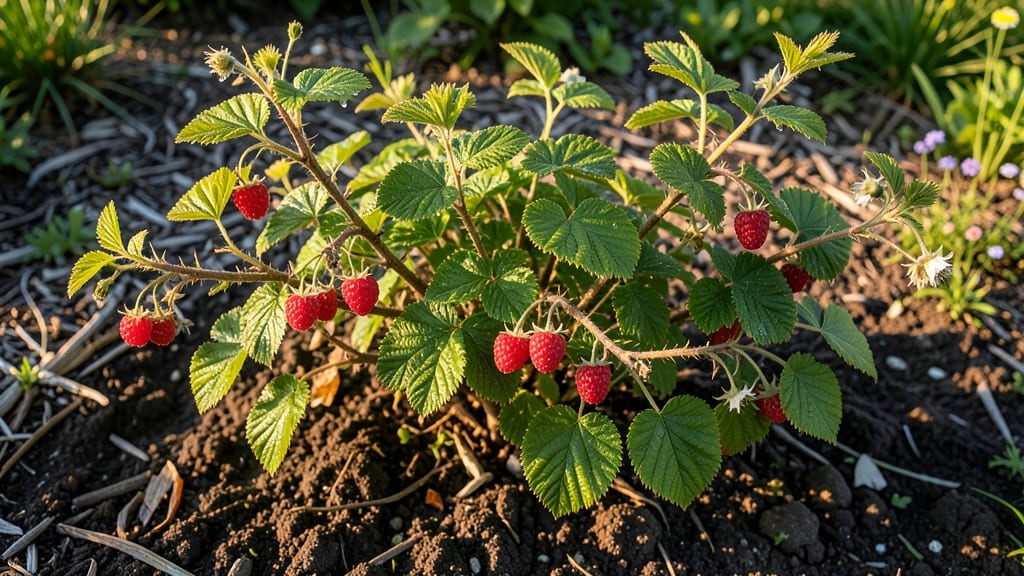
Your raspberry tree care starts with understanding that year-round pruning isn’t just about cutting branches—it’s the secret to turning a scraggly bush into a productive powerhouse. 🌱 I’ve watched my own raspberries go from sparse harvests to overflowing baskets by following a simple seasonal rhythm, and it all begins with the right cuts at the right time.
The first step is knowing your raspberry type—summer-bearing or fall-bearing—because their pruning schedules are completely different. Summer-bearing canes produce fruit on second-year growth, while fall-bearing canes fruit on current-year growth.
Confusing? Not if you mark your canes with colored tape when you plant them, so you always know which ones to keep and which to cut back.
By late winter, you’ll be shaping your bushes into open, airy structures that let sunlight reach every cane, leading to thicker canes and more berries. The key is removing old, weak, or crossing canes first, then thinning the rest to leave about 6-8 strong canes per plant.
This isn’t just busywork—it’s how you prevent disease and make harvesting easier.
Spring and summer care focus on watering deeply (1-2 inches per week), mulching to keep roots cool, and watching for pests like spider mites. The payoff?
A harvest that keeps coming all season long, with berries so sweet and plentiful you’ll wonder why you didn’t start sooner. Let’s get those pruners ready!
📚 In This Guide
- What you need
- Instructions
- Tips and common mistakes
- Wrapping up and next steps
What you need
- ● Pruning shears – Sharp, bypass-style (avoid anvil shears to prevent crushing stems). Quantity: 1 pair.
- ● Loppers – For thicker branches (up to 2 inches in diameter). Quantity: 1 pair.
- ○ Pruning saw – For stubborn, woody stems (optional but helpful for mature trees). Quantity: 1.
- ● Gloves – Heavy-duty, cut-resistant (raspberry canes have thorns!). Quantity: 1–2 pairs.
- ● Disinfectant – 70% isopropyl alcohol or bleach solution (1 part bleach to 9 parts water) to sterilize tools between cuts.
- ● Trash bags or bucket – For removing pruned canes and debris. Quantity: 2–3 large bags or 1 sturdy bucket.
- ● Watering can or hose – For post-pruning hydration. Quantity: 1.
- ● Mulch – Organic mulch (straw, wood chips, or shredded leaves) to retain moisture and suppress weeds. Quantity: Enough to cover the base (2–3 inches deep).
- ● Hand pruners with ratcheting mechanism – Reduces hand fatigue for large pruning sessions.
- ● Long-handled pruners – For tall or dense raspberry patches.
- ● Labeling tags – To mark new canes (helpful for tracking growth cycles).
- ● Fertilizer – Balanced, slow-release (10-10-10 or compost) to replenish nutrients after pruning.
- ● Knee pads – For comfort if you’re kneeling frequently.
- ● Safety glasses – To protect against debris if pruning near your face.
Step-by-Step guide to year-round raspberry tree pruning
Here’s how I keep my raspberry trees thriving—through winter dormancy, spring flushes, and harvest season.
✂️ Step 1: Winter Pruning (Late Fall to Early Winter)
Between November and February, remove all dead, diseased, or weak canes—they’ll never produce fruit and crowd healthy growth. I cut these back to the ground immediately, using clean, sharp pruners to prevent tearing. Look for canes that are hollow, discolored, or covered in mold; these are prime candidates for removal.
Next, identify the oldest canes—they’re the largest and often woody at the base. Raspberry trees produce fruit on second-year canes, so these spent canes can go. Cut them at the base, leaving only the newer, thinner growth. This opens up space for next year’s fruiting canes to develop. I like to bundle the removed canes and compost them, but only if they’re disease-free.
🌱 Step 2: Early Spring Pruning (Late Winter to Early Spring)
Once new growth begins (typically in February or March, depending on your climate), focus on thinning the canes. Aim to leave 4-6 of the strongest, healthiest canes per plant—this ensures air circulation and prevents overcrowding. Weak or crossing canes should go first; I remove them at the base to avoid stubble that can harbor pests.
This is also the time to shape the plant. Step back and visualize the canopy—you want an open, vase-like structure. If canes are growing inward, prune them back to encourage outward growth. Avoid heavy pruning now; just light shaping to redirect energy into new shoots. Watch for bud swell—when buds start to plump up, that’s your cue to stop pruning.
☀️ Step 3: Summer Maintenance (June to August)
During the growing season, remove any suckers that sprout from the base or along the roots. These drain energy from the main plant and rarely produce quality fruit. Snip them off at the ground level as soon as you spot them. I check weekly in early summer because this is when they’re most aggressive.
After harvest, prune out any canes that bore fruit—these are the first-year canes that produced this season’s crop. Cut them to the ground to make room for next year’s fruiting canes. Leave the second-year canes (the ones that didn’t fruit this year) untouched; they’ll bear fruit next season. This might seem counterintuitive, but it’s the key to a consistent harvest every year.
⏰ Step 4: Post-Harvest Cleanup (Fall)
Once the first frost blackens the leaves, rake up and remove all fallen debris from around the base of the plant. This prevents fungal diseases like cane blight from overwintering. I also inspect the canes for spider mites or aphids—if you see webbing or sticky residue, spray with neem oil before dormancy sets in.
Finally, mulch the base with 2-3 inches of organic mulch (like straw or shredded leaves) to insulate roots and retain moisture. Avoid piling mulch against the stems—keep it 2-3 inches away to prevent rot. This layer also smothers weeds, reducing competition for nutrients. By the time spring rolls around, your tree will be primed for another productive season.
Tips & tricks for year-round raspberry tree maintenance
These pro-level strategies will help you maximize your raspberry tree's potential without the guesswork.
Timing Precision: Pay close attention to the November to February winter pruning window—this is when your tree is dormant and most resilient. I always prune on a dry, overcast day to reduce stress on the plant. If you're in a colder climate, wait until after the first hard frost to ensure the tree has fully entered dormancy, which makes it easier to identify dead canes by their brittle texture and lack of green underneath the bark.
Visual Cue for Bud Swell: In Step 2, when you notice those tiny buds starting to plump up—this is your exact signal to stop pruning. I test by gently pressing a bud; if it feels firm and slightly resistant, it's ready. Over-pruning at this stage can delay the tree's energy shift from dormancy to growth, setting you back weeks in the growing season. Think of it as the tree's internal clock telling you when it's time to pause.
Sucker Management Strategy: During summer maintenance, I make it a habit to check for suckers every 7-10 days starting in June. These aggressive root sprouts can drain 30% of your tree's energy if left unchecked. The key is to remove them at ground level with clean pruners—any stubble left behind will just regrow. I keep a small pair of pruners in my gardening tool belt for quick maintenance between harvests.
Mulch Application Technique: When applying that 2-3 inch layer of organic mulch in fall, I always create a slight depression around the base before adding it. This prevents water from pooling against the stems, which is a common cause of rot. I also avoid using fresh wood chips or sawdust—they can draw nitrogen from the soil as they decompose, potentially starving your tree of essential nutrients during its critical winter recovery period.
Pro Tips for Raspberry Tree Care
- These pro-level strategies will help you maximize your raspberry tree's potential without the guesswork.
- Timing Precision: Pay close attention to the November to February winter pruning window—this is when your tree is dormant and most resilient.
- Visual Cue for Bud Swell: In Step 2, when you notice those tiny buds starting to plump up—this is your exact signal to stop pruning.
Frequently asked questions
Got questions about keeping your raspberry tree thriving? Here are answers to the most common ones—so you can enjoy that sweet harvest without the guesswork!
When is the best time to prune raspberry trees?
Prune summer-bearing varieties in late winter or early spring (before new growth starts), and fall-bearing varieties in late winter or early spring and after harvest. Always remove dead or diseased canes first, then thin out older canes to encourage new, productive growth. Timing matters!
How do I tell which canes to cut and which to keep?
Cut last year’s canes (they’re brown and woody) from summer-bearing varieties—they’ve already fruited. For fall-bearing types, prune all last year’s canes after harvest. Keep this year’s green canes (1-inch thick) as they’ll produce fruit next season. Pro tip: Label canes with flags if you’re unsure!
My raspberry tree isn’t fruiting—what’s wrong?
Common culprits include over-pruning (leave 5–7 healthy canes per plant), poor sunlight (6+ hours daily), or nutrient deficiencies (test soil and amend with compost). Also check for pests (like spider mites) or diseases (like cane blight). Need a deeper dive?
Can I grow raspberries in containers?
Yes! Use a large pot (at least 18 inches deep) with drainage holes and well-draining soil. Choose dwarf varieties like ‘Heritage’ or ‘Boyne,’ and prune aggressively to control size. Move containers to full sun and water consistently—containers dry out faster than ground soil.
How do I extend my raspberry harvest season?
Plant a mix of summer-bearing (fruit in summer) and fall-bearing (fruit in fall) varieties. For fall-bearing types, delay pruning until after harvest to encourage a second flush. Use row covers in early spring to protect flowers from frost and push back the season.
| Issue | Quick Fix |
|---|---|
| Yellow leaves | Check for overwatering or nutrient deficiency (add iron or compost). |
| Small berries | Thin canes to improve airflow and reduce competition for nutrients. |
| Birds eating fruit | Use netting or reflective tape to deter them before harvest. |
Wrapping up and next steps
Caring for your raspberry tree with year-round pruning is the secret to a thriving, fruit-filled garden! By mastering seasonal trims, you’ll boost yields, improve health, and keep pests at bay—all while making the process feel like a breeze. 🌱✨
Ready to transform your raspberry patch? Start small: pick one pruning session this week—whether it’s clearing winter debris or shaping summer canes—and build from there. Soon, you’ll be the proud guardian of a lush, productive tree that rewards you with juicy berries for years to come!