
Pruning
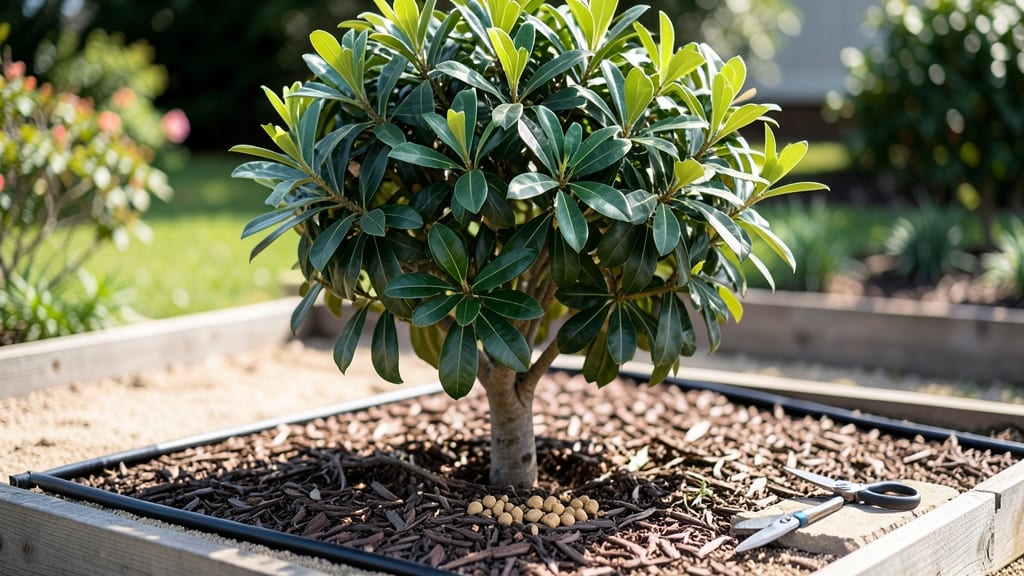
Macadamia tree care isn’t just about patience—it’s about strategic pruning that turns a slow grower into a nut-producing powerhouse. ✂️ I’ve watched my 5-year-old tree go from scraggly branches to a sturdy, productive frame by pruning at the right times, and the difference in harvest is night-and-day.
The key is working with the tree’s natural rhythm: light pruning in late winter to shape growth, then more aggressive cuts in summer to encourage nut production. Macadamias are stubborn about water—overdo it and you’ll rot the roots, but skip it and the nuts won’t form properly.
We’re talking deep but infrequent watering, not daily sprinkles. By year three, you’ll see the payoff: clusters of those rich, creamy nuts dangling from the branches. The tree’s dense canopy also makes it a shade lover’s dream, though it’ll need full sun for maximum yields.
Just don’t rush—these trees take 5-7 years to bear seriously, but once they do, they reward you for decades.
Here’s the secret weapon: prune only when the tree is actively growing—never in fall or winter when it’s dormant. Use sharp, sterilized tools to avoid disease, and always cut back to a bud or branch collar.
I learned the hard way that skipping this step leads to ragged cuts that invite pests. The goal is to open up the center for airflow while keeping the outer branches lush. For indoor growers (yes, they can work in containers!), expect slower growth but the same pruning rules apply.
Just watch for spider mites—they adore dry indoor air—and treat them early with neem oil. Outdoor trees need well-draining soil mixed with sand or gravel; poor drainage is the #1 killer of young macadamias.
Think of pruning as a conversation with your tree. Every cut is a question: “Should this branch bear nuts or leaves?” Answer it right, and you’ll end up with a tree that’s both beautiful and bountiful.
Start small—just a few branches your first year—and build your confidence. The nuts are worth the wait.
📚 In This Guide
- What you need
- Instructions
- Tips and common mistakes
- Wrapping up and next steps
What you need
- ● Pruning shears: Bypass pruners (sharp, 6-8 inch blades) for clean cuts on small branches.
- ● Loppers: 16-20 inch loppers for thicker branches (up to 2 inches in diameter).
- ● Pruning saw: A curved-tooth pruning saw for branches thicker than 2 inches.
- ● Gloves: Heavy-duty, cut-resistant gloves (e.g., leather or Kevlar) to protect your hands.
- ● Disinfectant: 70% isopropyl alcohol or a 10% bleach solution (1 part bleach to 9 parts water) to sterilize tools between cuts and prevent disease.
- ○ Pruning sealant: (Optional) A tree wound sealant (like Tanglefoot Tree Wound Pruning Sealer) to coat larger cuts (over ½ inch in diameter).
- ● Ladder or step stool: Sturdy and tall enough to reach the tree’s canopy safely.
- ● Work boots or sturdy shoes: With good traction for stability on uneven ground.
- ● Safety goggles: To shield your eyes from debris or sap.
- ● Trash bags or bucket: For collecting pruned branches and debris.
- ● Extension pole pruners: For hard-to-reach branches without climbing.
- ● Pole saw: A long-handled saw for high branches (if you’re not comfortable climbing).
- ● Tree bag or tarp: To collect fallen nuts or debris efficiently.
- ● Pruning guide or ruler: A measuring tool to ensure proper branch spacing and cuts.
- ● First-aid kit: Just in case of minor scrapes or splinters!
How to prune a macadamia tree for bigger harvests
Here's the straightforward approach I use to keep my macadamia trees healthy and productive year after year.
✂️ Step 1: Prune New Growth in Late Winter or Early Spring
Start by removing any dead, diseased, or crossing branches first—these compete with healthy growth and can harbor pests. I use sharp, sterilized pruning shears to make clean cuts just above a leaf node or outward-facing bud. This ensures new growth emerges in the right direction.
Next, look for "water sprouts"—thin, vertical shoots growing from the trunk or main branches. These steal energy from nut production. Cut them back to the nearest lateral branch. The goal is to open up the canopy so sunlight reaches the center of the tree and encourages nut development.
Timing is everything: do this 6-8 weeks before your last frost, when the tree is still dormant but starting to wake up. You'll see fresh, green growth within 2-3 weeks of pruning—this is your sign the tree is responding well.
☀️ Step 2: Thin the Canopy in Late Spring
Once new growth appears, focus on thinning out crowded branches to improve air circulation. I remove about 20-30% of the smallest branches in the inner canopy first. This prevents fungal diseases that thrive in damp, shaded conditions. Look for branches growing inward—they'll rub against each other and create wounds.
Leave the strongest, most vigorous branches that are evenly spaced. The outer branches should form a natural dome shape, allowing sunlight to reach the center where most nuts develop. If you see branches growing at sharp angles (greater than 45 degrees), they're more likely to break under nut weight—prune those out too.
This step should happen when the tree is 6-8 feet tall and actively growing. You'll notice leaves in the center of the tree turning a richer green within 4-6 weeks—that's your confirmation the tree is getting better light.
⏰ Step 3: Light Pruning After Nut Harvest
After the nuts fall (usually late fall to winter), do a final light pruning to remove any remaining dead wood or branches that produced poor-quality nuts. I focus on branches that bore fewer than 5-6 nuts—these often indicate weak growth or poor sunlight exposure.
This is also the time to shape the tree for future harvests. Macadamia trees produce nuts on new growth, so you want to encourage strong, outward-facing branches. Cut back any overly aggressive vertical shoots to redirect energy into horizontal branches where nuts form.
Keep pruning tools clean between cuts to prevent spreading disease. You'll see fresh, vigorous growth emerging from the pruned areas by early spring, setting the stage for next year's harvest.
🌱 Step 4: Year-Round Maintenance Checks
Throughout the year, do quick monthly inspections for any branches that look stressed, diseased, or pest-infested. Macadamia trees are sensitive to root rot, so never allow water to pool at the base. If you see yellowing leaves, it's often a sign of overwatering or poor drainage—adjust your watering schedule immediately.
I also keep an eye out for "nut drop"—when unfertilized flowers fall off early. If this happens, it usually means the tree needs more phosphorus. A light application of bone meal in early spring can help. The key is to catch issues early before they affect next year's crop.
Regular maintenance keeps the tree healthy between major pruning sessions. You'll know you're doing it right when the tree consistently produces more nuts each year and the branches remain strong and disease-free.
Tips & tricks for pruning macadamia trees
Here's what nobody tells you about keeping your macadamia trees thriving—these tricks will make all the difference in your harvest.
Tool Prep: Sterilize your pruning shears with rubbing alcohol between cuts to prevent spreading disease. I keep a small bottle in my tool belt while working—it takes just seconds to wipe down tools and saves you from potential infections that can ruin your tree's health. The goal is to make clean cuts that heal properly, not introduce pathogens that will stress the tree.
Visual Cues for Step 1: When pruning water sprouts in Step 1, look for branches that are thinner than a pencil and grow straight up from the trunk. These vertical shoots are energy vampires—they steal nutrients that could be going toward nut production. Cut them back to where they branch off from a larger limb, and you'll redirect that energy to where it matters most.
Canopy Shape Matters: In Step 2, aim for that dome shape—it's not just for looks. The outer branches should form a gradual slope from top to bottom, like an upside-down bowl. This shape ensures sunlight penetrates to the center where most nuts develop. If you see branches growing at sharp angles (over 45 degrees), they're more likely to break under the weight of a heavy crop—prune those out now to prevent future heartache.
Seasonal Timing: The 6-8 week window before your last frost is critical for Step 1. Check your local frost dates and mark your calendar—pruning too early can stimulate growth that won't survive winter, while pruning too late means the tree won't have time to recover before dormancy. I always set a reminder for this exact timeframe each year to avoid missing my window.
Pro Tips for Macadamia Tree Care
- Here's what nobody tells you about keeping your macadamia trees thriving—these tricks will make all the difference in your harvest.
- Tool Prep: Sterilize your pruning shears with rubbing alcohol between cuts to prevent spreading disease.
- Visual Cues for Step 1: When pruning water sprouts in Step 1, look for branches that are thinner than a pencil and grow straight up from the trunk.
Frequently asked questions
Got questions about keeping your macadamia tree thriving? Here are answers to the most common concerns—from pruning timing to troubleshooting—so you can grow a productive, healthy tree with ease!
When is the best time to prune a macadamia tree?
The ideal time to prune is late winter to early spring (before new growth starts) or summer after harvest. Avoid pruning during frost or drought. Light pruning can also happen in autumn, but heavy cuts should wait until dormancy. Pro tip: Macadamias bloom on old wood, so prune carefully to avoid removing next year’s fruit!
How much should I trim back my macadamia tree?
Remove dead, diseased, or crossing branches first. For shaping, trim no more than 20-25% of the canopy per year to avoid stress. Focus on opening the center for airflow and sunlight. Young trees benefit from selective pruning to encourage a strong structure, while mature trees may need light thinning to boost nut production.
Why are my macadamia nuts not forming?
Poor nut production often stems from over-pruning, nutrient deficiencies (like zinc or boron), or inconsistent pollination. Check for male and female flowers (macadamias are self-pollinating but need cross-pollination for better yields). Fertilize with low-nitrogen, high-potassium mixes in spring, and ensure the tree gets full sun (6+ hours daily).
Can I prune a macadamia tree in hot or cold weather?
Avoid pruning during extreme heat (above 90°F) or freezing temps (below 40°F), as stress can invite pests or disease. If you must prune in summer, do it early morning or late evening to reduce shock. Cold-weather pruning can weaken the tree—wait until late winter when buds are swelling but before leaves emerge.
What if my macadamia tree has pests after pruning?
Pruning wounds can attract borers, scale, or aphids. Seal cuts with pruning paint (optional for small branches) and monitor for pests. Treat infestations with neem oil or insecticidal soap early. Prevention tip: Remove fallen leaves/debris promptly, and prune during dry weather to minimize fungal risks like anthracnose.
How often should I prune my macadamia tree?
| Tree Age | Pruning Frequency | Focus |
|---|---|---|
| 1–3 years | Annually (light) | Shape structure, remove suckers |
| 4–10 years | Every 1–2 years | Thin canopy, improve airflow |
| 10+ years | Every 2–3 years | Renewal pruning, harvest access |
Wrapping up and next steps
Caring for your macadamia tree through year-round pruning isn’t just about trimming branches—it’s about unlocking its full potential! 🌿 By mastering the right techniques, you’ll enjoy bountiful harvests and a thriving tree for years to come. Whether you’re a seasoned gardener or just starting, every little effort makes a difference.
Ready to take the next step? Grab your pruners and schedule your first pruning session—your macadamia tree (and future nut stash) will thank you! 🌟