
Pruning
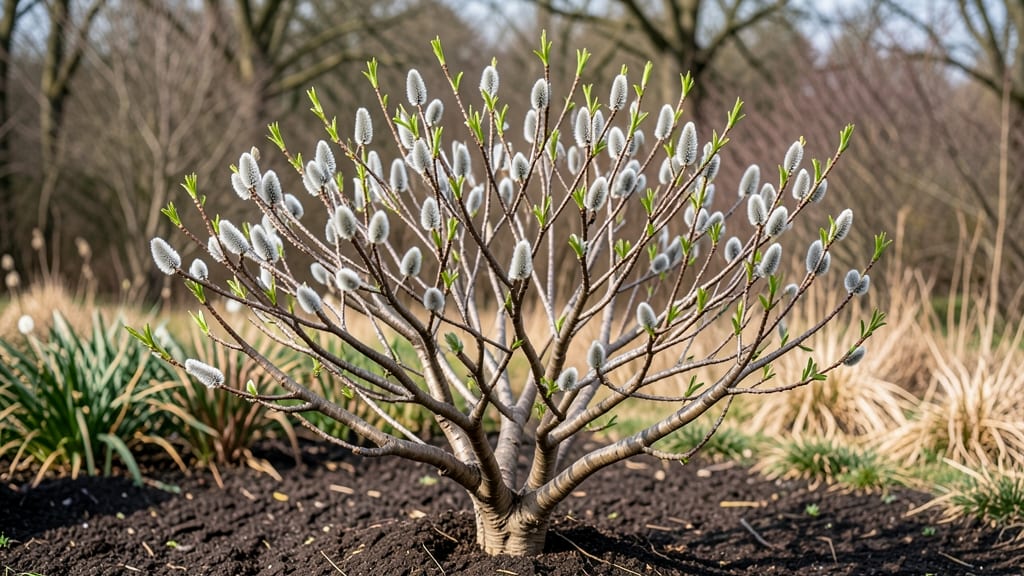
Fast-growing pussy willow trees transform bare branches into fuzzy clouds of catkins by spring. 🌱 I’ve learned that the key to their lush, rapid growth isn’t just planting—it’s strategic pruning and seasonal care that keeps them thriving year-round, not just for one spectacular bloom.
The secret starts with moist, well-draining soil and full sun, but even more critical is pruning at the right times. Cut back old growth in late winter before new shoots emerge, and trim leggy branches in summer to encourage bushier, denser foliage.
My trees now grow 3-6 feet per year with this approach—far faster than when I ignored pruning.
You’ll end up with a tree that’s not just a spring showstopper but a year-round feature, with vibrant bark and graceful branches. The catkins return bigger and fluffier each season, and the tree stays compact enough for small yards.
This works for both Salix discolor and similar willows. Here’s how to get started without overcomplicating it.
📚 In This Guide
- What you need
- Instructions
- Tips and common mistakes
- Wrapping up and next steps
What you need
- ● Pruning shears: Sharp, bypass-style shears (for cuts under ½ inch thick). Example: Felco F-2 or Corona bypass pruners.
- ● Loppers: Bypass loppers (for cuts ½–1½ inches thick). Example: Fiskars PowerGearDura loppers.
- ● Pruning saw: Curved-tooth saw (for branches 1½+ inches thick). Example: Felco F-26.
- ● Gloves: Heavy-duty, cut-resistant gloves (e.g., Mechanix Wear or Wagner gloves).
- ● Disinfectant: 70% isopropyl alcohol or bleach solution (1 part bleach to 9 parts water) to sterilize tools.
- ○ Sealing wax: Pruning sealant (optional but recommended for large cuts >2 inches). Example: TreeHelp Tanglefoot.
- ● Ladder: Sturdy, extendable ladder (if pruning branches >6 feet high). Safety tip: Use a ladder with non-slip feet.
- ● Safety gear: Safety glasses (ANSI-rated)
- ● Long sleeves/pants (to protect from thorns)
- ● Tree growth regulator: Hormonal rooting powder (e.g., Clonex) for propagating cuttings.
- ● Mulch: Organic mulch (wood chips or shredded bark) to retain moisture post-pruning.
- ● Plant food: Balanced fertilizer (10-10-10 or 20-20-20) for post-pruning recovery.
- ● Camera/phone: To document pruning progress (for tracking growth!).
- ● Knowledge: Basic understanding of pussy willow tree anatomy (e.g., identifying dead vs. live branches). Pro tip: Watch a quick tutorial if you’re new!
- ● Weather check: Prune on a dry, calm day (avoid rain for 24 hours post-pruning).
- ● Tree health: Ensure your pussy willow is free of pests/diseases before pruning.
Step-by-Step pruning for fast, lush pussy willow growth
Pruning isn't just about shaping—it's how you unlock rapid growth and those signature fluffy catkins.
✂️ Step 1: Time Your First Cut for Maximum Growth
Prune your pussy willow late winter to early spring, just as buds begin to swell but before new growth starts. This is when the tree's energy is focused on producing fresh foliage and catkins. I always make my cuts in February or March—right after the last hard frost but before any leaves appear. The goal is to stimulate vigorous new growth while avoiding winter stress.
Use sharp pruning shears to make clean cuts at a 45-degree angle, about ¼ inch above a bud. Avoid leaving stubs—they invite disease. For young trees, remove up to ⅓ of the total branches to encourage bushier growth. Older trees can handle more aggressive pruning if needed, but never remove more than ⅓ in any single season.
🌿 Step 2: Remove Dead or Weak Branches First
Start by scanning your tree for branches that are dead, diseased, or crossing. Dead branches snap easily when bent—if a branch breaks with a dry crack, it's dead. Remove these first, cutting back to the nearest healthy bud or branch collar. Diseased branches (look for discoloration, oozing sap, or fungal growth) should be pruned out completely and disposed of in the trash, not your compost.
Next, target weak or spindly growth—branches that are thinner than a pencil or growing straight upward without leaves. These compete with stronger branches for energy. I like to step back every few cuts to visualize the tree's shape. The goal is an open center that allows sunlight to reach all branches, which is key for those fast-growing, fluffy catkins.
☀️ Step 3: Thin Out Crowded Branches for Airflow
Pussy willows grow quickly, and their dense foliage can block sunlight from reaching inner branches. Focus on removing branches that are growing toward the center of the tree or rubbing against others. These competing branches steal energy and create entry points for pests. Aim to space branches 6-12 inches apart on mature trees, thinning from the inside out.
Watch for water sprouts—fast-growing, vertical shoots that appear along the trunk or branches. These are energy vampires and should be cut at the base. After thinning, step back again to check for balanced sunlight exposure. You'll see the difference in just a few weeks—new growth will be thicker and more uniform, with those signature fuzzy catkins appearing earlier in the season.
⏰ Step 4: Summer Maintenance for Fast Growth
Light pruning in late summer (around August) encourages one last flush of growth before winter. Remove any dead or diseased branches that appeared during the season, and trim back any overly vigorous shoots by ⅓ of their length. This prevents the tree from putting too much energy into late-season growth that might not harden off properly before frost.
Here's the thing—pussy willows respond incredibly well to pruning, but timing matters. If you prune too late in summer, new growth may not have time to mature before winter. You'll know you've done it right when you see fresh, bright green leaves emerging in spring with minimal lag. Avoid heavy pruning in fall, as the tree needs time to prepare for dormancy.
✂️ Step 5: Winter Pruning for Next Year's Growth
In mid-winter (around January), give your pussy willow a final light pruning to shape it for the coming season. Focus on refining the silhouette by removing any branches that disrupt the natural form. Cut just above a bud that faces the direction you want the branch to grow. For example, if you want a branch to grow outward, choose a bud that's facing outward.
This is also the time to address any suckers—shoots growing from the base of the tree. Remove them at the ground level to prevent them from competing with your main tree. After pruning, clean your tools with rubbing alcohol to prevent the spread of disease between cuts. A well-pruned pussy willow will reward you with faster growth, denser foliage, and those prized catkins year after year.
Tips & tricks for perfect pussy willow tree care
These game-changing insights will help you transform your pruning routine into a growth-boosting strategy.
Timing is Everything: That February-March window in Step 1 is non-negotiable for spring growth. I learned this the hard way—pruning too early in winter can stress the tree, while waiting too long risks losing the early growth advantage. Check your local frost dates and aim for the first warm spell after the last hard freeze. The goal is to catch those buds just starting to swell—they'll tell you when it's time to cut.
Tool Precision Matters: Using sharp pruning shears isn't just about clean cuts—it's about minimizing damage to the branch collar in Step 2. I keep a dedicated pair of shears for my pussy willow and sharpen them annually. Dull tools crush rather than cut, creating wounds that invite disease. For larger branches, invest in bypass pruners—they make cleaner cuts that heal faster, which is especially important for these fast-growing trees.
Visualize the Growth Pattern: When thinning crowded branches in Step 3, step back every 5-6 cuts to visualize the tree's structure. I imagine the sunlight streaming through the center—this helps me identify branches that need removal. The 6-12 inch spacing recommendation isn't arbitrary; it creates the perfect balance between airflow and sunlight penetration. You'll notice the difference in just a few weeks when new growth emerges thicker and more uniform.
Seasonal Maintenance Strategy: That August maintenance in Step 4 isn't just about tidying up—it's about encouraging one last growth flush. I make a point to prune on a dry day when the tree isn't under water stress. The key is to be selective: only remove what's truly necessary. Over-pruning in summer can send the tree into shock, especially as it prepares for dormancy. Think of it as a gentle nudge rather than a major overhaul.
Pro Tips for Pussy Willow Tree Care
- These game-changing insights will help you transform your pruning routine into a growth-boosting strategy.
- Timing is Everything: That February-March window in Step 1 is non-negotiable for spring growth.
- Tool Precision Matters: Using sharp pruning shears isn't just about clean cuts—it's about minimizing damage to the branch collar in Step 2.
Frequently asked questions
Got questions about keeping your pussy willow tree thriving? You’re not alone! Here are answers to the most common concerns—from pruning timing to troubleshooting pesky issues.
When is the best time to prune a pussy willow tree?
The ideal window is late winter or early spring (just before buds swell), but you can also prune lightly in summer to shape the tree. Avoid heavy pruning in fall—it stimulates new growth that won’t harden off before winter. Pro tip: If you missed the spring window, a light trim in summer is better than none at all!
How much can I cut back without harming the tree?
Pussy willows are tough and can handle up to 30% of their canopy removed in one go. For aggressive pruning (like rejuvenation), cut back 1/3 of the oldest stems to the ground—just avoid overdoing it in a single year. Signs you’ve gone too far: Sparse foliage or no new growth by late spring.
Should I prune pussy willows in winter?
While dormant pruning (winter) is safe, avoid heavy cuts if temps drop below 20°F—it can stress the tree. Light shaping or removing dead wood is fine, but save major pruning for spring. Exception: If a branch is dying or diseased, remove it anytime, even in winter.
Can I grow pussy willows in containers?
Yes! Dwarf varieties (like Salix caprea ‘Pendula’) thrive in containers with well-draining soil and regular watering. Use a pot at least 18 inches wide and prune roots if they circle. Warning: Pussy willows grow fast—expect to repot every 2–3 years!
Why are my pussy willow branches turning yellow or brown?
Yellowing leaves often signal overwatering or poor drainage, while brown tips or spots could mean fungal issues (like powdery mildew) or pests (aphids, scale). Fix it: Adjust watering, improve airflow, and spray with neem oil if pests appear. Dead branches? Prune them out immediately to prevent spread.
What’s a good alternative if I don’t want to prune often?
If maintenance feels like too much, try low-maintenance shrubs like weeping cherry (Prunus subhirtella) or ornamental grasses (e.g., Miscanthus). For a similar look with less pruning, opt for willow varieties with slower growth, like Salix purpurea ‘Nana’.
Wrapping up and next steps
Caring for your pussy willow tree is all about patience and precision—pruning at the right times and giving it the love it deserves will reward you with vibrant, fast growth and those iconic fuzzy catkins every spring! 🌿 Whether you’re trimming in late winter or summer, remember: consistency is key, and your tree will thrive with just a little attention.
Now that you’re armed with the best techniques, why not grab your shears and get pruning? Your tree—and your garden—will thank you!
Next step: Mark your calendar for your next pruning session and watch your pussy willow flourish like never before! 🌱✨