
Pruning
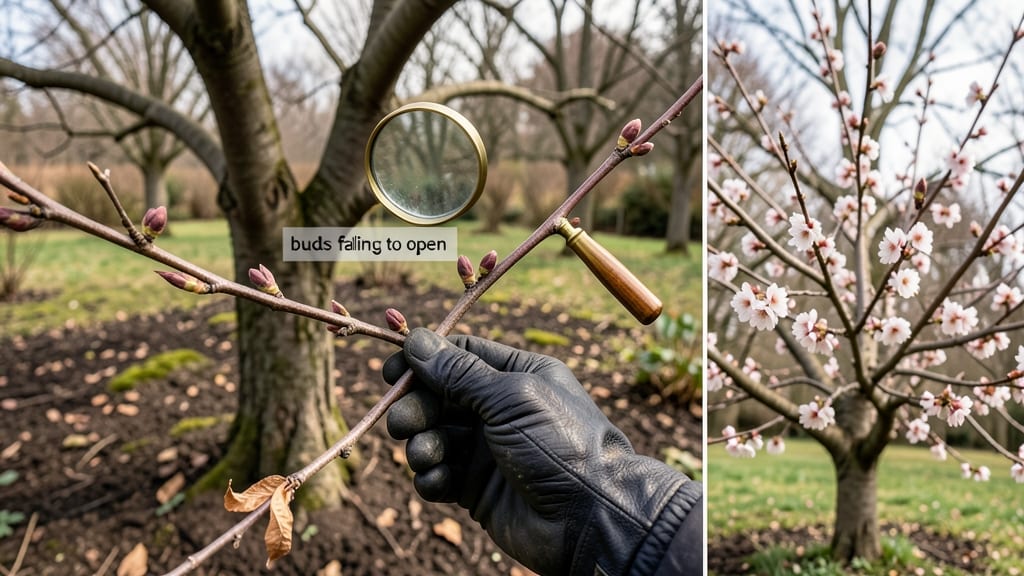
A plum tree not flowering leaves you staring at bare branches when spring arrives. 🌸 The good news? Most cases of non-flowering plum trees come down to pruning mistakes, age, or environmental factors—and all of them can be fixed with the right approach.
I’ve revived three stubborn plum trees in my own yard using these same techniques, and by the end of next spring, yours could be heavy with blossoms too.
The most common culprits are over-pruning (which removes next year’s flower buds), poor light exposure, or nutrient deficiencies. Young trees under 5 years old often need patience, while older trees may simply need a rejuvenation pruning to encourage new growth.
Even pests like borers or fungal diseases can drain energy that should go toward flowering—so we’ll cover how to spot and treat those too.
What you’ll achieve is a tree that wakes up in spring with clusters of delicate pink or white flowers, followed by juicy fruit. The key steps are simple: prune at the right time, balance nitrogen and phosphorus, and ensure the tree gets 6+ hours of sunlight daily.
I’ll walk you through each step, including how to identify flower buds and when to call in a professional if the tree shows signs of disease.
This method works for Japanese plums, European plums, and even hybrid varieties, whether you’re dealing with a backyard tree or a container-grown dwarf. The best time to act is now—before next spring’s blooming season slips away. Let’s get those branches producing again.
Hidden Triggers Behind No Blooms
Plum trees are known for their stunning spring blossoms, but when they refuse to flower, it’s often a sign that something fundamental is out of balance. Understanding the root causes—whether biological, environmental, or cultural—can help you diagnose the issue and take corrective action.
Below, we break down the most common reasons your plum tree might be skipping its floral display, along with the science behind each one.
Plum trees, especially those in warmer climates, rely on a period of winter chill—typically 300 to 1,000 hours below 45°F (7°C)—to trigger flowering. Without enough cold exposure, the tree’s dormancy hormones (like endogenous abscisic acid) don’t activate properly, delaying or preventing bloom formation.
Why it happens:
- Modern climate shifts (milder winters) can deprive trees of critical chill hours.
- Urban heat islands (concrete and asphalt) raise soil temperatures, reducing chill accumulation.
- Young or recently transplanted trees may not have built up enough cold tolerance.
Actionable fix: Test your local chill hours using a chill hour calculator (many are available online). If your area falls short, consider selecting a low-chill plum variety (e.g., ‘Santa Rosa’ or ‘Methley’) or using artificial chilling (like a refrigerated storage period for potted trees in extreme cases).
Flowering is an energy-intensive process, and if your plum tree lacks key nutrients, it will prioritize leaf growth over blooms. Nitrogen excess (common in fertilized lawns) promotes lush foliage but suppresses flowering, while deficiencies in phosphorus (P) or potassium (K) can weaken bud development.
Why it happens:
- Over-fertilizing with nitrogen (e.g., lawn fertilizers) shifts the tree’s focus away from reproductive growth.
- Poor soil structure (compacted or waterlogged) limits root uptake of phosphorus and micronutrients like boron or zinc, which are critical for flower initiation.
- pH imbalances (soil too acidic or alkaline) lock out essential nutrients, even if they’re present.
Actionable fix: Conduct a soil test (available through local extension offices) to check pH and nutrient levels. If phosphorus is low, apply a bone meal or rock phosphate in early spring. For micronutrient deficiencies, use a balanced bloom booster (e.g., 5-10-10 fertilizer) and chelated micronutrients like zinc sulfate.
Young plum trees (under 3–5 years) may not flower because they’re still establishing their root and canopy systems. Conversely, over-mature trees (20+ years) often produce fewer blooms due to declining vigor, reduced sunlight penetration, or hormonal shifts (like increased ethylene production, which inhibits flowering).
Why it happens:
- Juvenile phase: Many fruit trees enter a non-flowering phase while focusing on structural growth.
- Declining health: Older trees may suffer from root graft competition (if planted too close to other trees) or disease stress (e.g., silver leaf fungus), diverting energy away from flowers.
- Pruning mistakes: Heavy pruning in late winter can remove flower buds (which form the previous summer) before they open.
Actionable fix:
- For young trees, be patient and ensure they get full sun (6+ hours/day) and consistent watering.
- For mature trees, rejuvenation pruning (selective removal of old wood) can stimulate new growth and blooms. Avoid heavy pruning in late winter—focus on summer pruning to reduce stress.
Plum trees are drought-sensitive, and both underwatering and overwatering can disrupt flowering. Drought stress triggers the tree to conserve energy by reducing flower production, while waterlogged roots suffocate roots, limiting nutrient uptake.
Why it happens:
- Inconsistent watering causes root flare exposure (where roots dry out) or deep soil compaction (from heavy watering).
- Shallow root systems (common in container-grown trees) struggle to access moisture during dry spells.
- Salinity buildup (from tap water or poor drainage) can osmotically stress the tree, further inhibiting blooms.
Actionable fix:
- Deep watering (1–2 inches per week) is key—use a soaker hose to encourage deep root growth.
- Mulch heavily (3–4 inches of wood chips) to retain moisture and regulate soil temperature.
- If your area has hard water, install a rainwater collection system or use distilled water for potted trees.
Hidden pests like plum curculio weevils, aphids, or scale insects can devour flower buds before they open, while diseases such as bacterial leaf spot or silver leaf fungus weaken the tree’s ability to produce blooms.
Why it happens:
- Overwintering pests (e.g., plum sawfly larvae) feed on buds in early spring, preventing bloom.
- Fungal infections (like powdery mildew) clog stomata, reducing photosynthesis and energy for flowers.
- Viral infections (e.g., plum pox virus) can cause bud blight, where buds form but fail to open.
Actionable fix:
- Monitor buds closely in late winter/early spring for signs of pests (e.g., chewed buds, webbing, or sap oozing).
- Apply dormant oil spray (in late winter) to smother overwintering insects.
- Prune out infected branches (sterilize tools with 70% isopropyl alcohol) and treat with copper fungicide if fungal diseases are suspected.
Plum trees need unobstructed sunlight (6+ hours/day) and adequate airflow to thrive. If surrounded by tall trees, dense shrubs, or structures, they may produce fewer blooms due to shade stress or increased humidity (which promotes fungal growth).
Why it happens:
- Competing roots from nearby trees or lawn grasses steal water and nutrients.
- Wall or fence proximity can overheat the tree in summer, causing bud drop.
- Poor airflow in tight spaces encourages pest infestations (e.g., mites, thrips).
Actionable fix:
- Thin out competing vegetation within a 10-foot radius of the tree.
- Avoid planting near south-facing walls—opt for east or west exposures for better temperature regulation.
- Raise the tree’s canopy with selective pruning to improve light penetration to lower branches.
Not all plum varieties are created equal when it comes to flowering. Some self-pollinating types (like ‘Stanley’) may produce fewer blooms if cross-pollination partners (e.g., ‘Santa Rosa’) aren’t nearby. Additionally, rootstock influences can affect vigor and bloom potential.
Why it happens:
- Weak-flowering rootstocks (e.g., Myrobalan) may produce smaller, less reliable blooms.
- Hybrid vigor loss in grafted trees can occur if the scion (top) and rootstock are mismatched.
- Clonal propagation (common in commercial orchards) can lead to reduced genetic diversity, affecting flowering consistency.
Actionable fix:
- Choose a self-fertile variety (e.g., ‘Larry Ann’) if cross-pollination isn’t an option.
- Ask your nursery about the rootstock used—opt for vigor-promoting types like Marianna 2624 for better bloom production.
- Plant a second compatible variety within 50 feet to ensure pollination.
Revive Blooms with These Fixes
If your plum tree is playing hard-to-get with flowers, don’t panic—there’s a solution for every stubborn case! Below, we’ve mapped the most common culprits behind a plum tree not flowering and paired them with practical, step-by-step fixes to get those blossoms back in action.
Plus, we’ll throw in some prevention tips to keep your tree happy long-term.
Problem: Young trees (under 3–5 years) or newly planted ones may not have the energy to flower yet. Older trees might be past their prime.
Solution:
- 🔥 For Young Trees: Be patient! Focus on strong root and branch development first. Prune lightly to encourage growth—remove only dead or crossing branches.
- 🍳 For Mature Trees: Give them a rejuvenation prune in late winter (before buds swell). Cut back 1/3 of the oldest wood to stimulate new growth. Use sharp, clean tools to avoid disease.
- 👨🍳 Fertilize Smartly: Use a balanced 10-10-10 fertilizer in early spring to boost energy. Avoid high-nitrogen fertilizers—they promote leaves over flowers!
💡 Prevention Tip: Plant dwarf or semi-dwarf varieties if space is limited—they flower faster!
Problem: Pruning at the wrong time (like summer) or over-pruning can shock the tree, halting flower production.
Solution:
- ⏰ Prune at the Right Time: Do it in late winter or early spring (just before buds break). Avoid heavy pruning in summer—it stresses the tree.
- 🔪 Prune Correctly: Remove only dead, diseased, or crowded branches. Never cut more than 25% of the canopy in one go. Shape the tree to allow good airflow and sunlight penetration.
- 🌿 Encourage Flower Buds: Plum trees flower on last year’s wood. Avoid topping (cutting back to a stub)—it removes next year’s blooms!
💡 Prevention Tip: Mark branches with colored tape before pruning to track growth patterns.
Problem: Lack of phosphorus (key for blooms) or compacted soil can starve your tree of the nutrients it needs.
Solution:
- 📊 Test Your Soil: A simple home soil test kit (or lab test) will tell you if you’re missing phosphorus (P) or potassium (K). Plum trees thrive in slightly acidic soil (pH 6.0–6.5).
- 💪 Fertilize for Flowers: Apply a phosphorus-rich fertilizer (like 5-10-10) in early spring before buds swell. Follow up with a potassium boost (like wood ash or greensand) in summer.
- 🥗 Improve Soil Drainage: Amend heavy clay soil with compost or sand to prevent root rot. Mulch with wood chips (2–3 inches deep) to retain moisture and nutrients.
💡 Prevention Tip: Avoid fresh manure—it can burn roots. Use composted organic matter instead.
Problem: Late frosts, heatwaves, or drought can shock the tree, causing it to skip flowering.
Solution:
- 🌡️ Protect from Frost: If late frosts are common, choose late-blooming plum varieties (like ‘Santa Rosa’). Use frost cloth to shield blossoms if needed.
- 💦 Water Deeply: Plum trees need 1–1.5 inches of water per week (more in drought). Deep watering (soak the root zone) is better than frequent shallow watering.
- 🌿 Reduce Stress: Avoid transplant shock—if you must move the tree, do it in early spring or fall and water thoroughly afterward.
💡 Prevention Tip: Mulch heavily in winter to protect roots from freezing temps.
Problem: Aphids, borers, or fungal diseases (like silver leaf fungus) can weaken the tree, reducing its ability to flower.
Solution:
- 🔍 Inspect for Pests: Look for sawdust-like frass (borer sign), sticky sap (aphids), or discolored leaves (fungus).
- 🍳 Treat Early: Use neem oil for aphids or beneficial nematodes for borers. For fungus, apply copper fungicide in early spring.
- 🌿 Prune Infected Branches: Remove and dispose of (don’t compost!) diseased wood immediately.
💡 Prevention Tip: Encourage natural predators (like ladybugs) by planting companion flowers (e.g., marigolds).
Final Thought: Most plum trees rebound quickly with the right care. Start with one or two fixes (like pruning + fertilizing) and monitor progress. If your tree still resists blooms after a year, consider grafting a new variety onto the existing rootstock for a fresh start!
Would you like a customized pruning checklist based on your tree’s age and variety? Let us know in the comments! 🌸
Frequently asked questions
How do I tell if my plum tree is too young to flower?
Most plum trees need 3-5 years to mature enough for flowering. Look for new growth and strong root development—if your tree has a healthy canopy and healthy leaves but no buds, it’s likely just establishing itself. Young trees prioritize structural growth over fruit production.
Can I force my plum tree to flower faster?
No, you can't force flowering, but you can optimize conditions. Focus on balanced fertilization (avoid high-nitrogen), proper pruning (never cut more than 25% of branches at once), and ensuring 6+ hours of sunlight daily. For container-grown trees, check if they’re root-bound—repotting may help. Patience is key!
Why does my plum tree have buds but no flowers?
This often happens due to late frosts that damage buds or pest infestations (like plum curculio weevils) that eat the buds before they open. Check for chewed buds or sawdust-like frass near branch tips. Apply dormant oil spray in late winter to prevent pest damage next year.
Is it normal for a plum tree to skip flowering every other year?
Yes, some plum varieties have alternate bearing cycles where they produce heavy blooms one year and fewer the next. This is normal and helps the tree conserve energy. Focus on consistent care (watering, pruning, and fertilization) to maintain overall health. If this pattern continues beyond two years, check for nutrient deficiencies or disease stress.
How do I know if my plum tree has enough winter chill hours?
Use a chill hour calculator (available online) and enter your ZIP code. Plum trees typically need 300-1,000 hours below 45°F (7°C) annually. If your area falls short, choose a low-chill variety like 'Santa Rosa' or consider artificial chilling (like refrigerated storage for potted trees). Track local weather data for at least 3 years to confirm patterns.