
How To
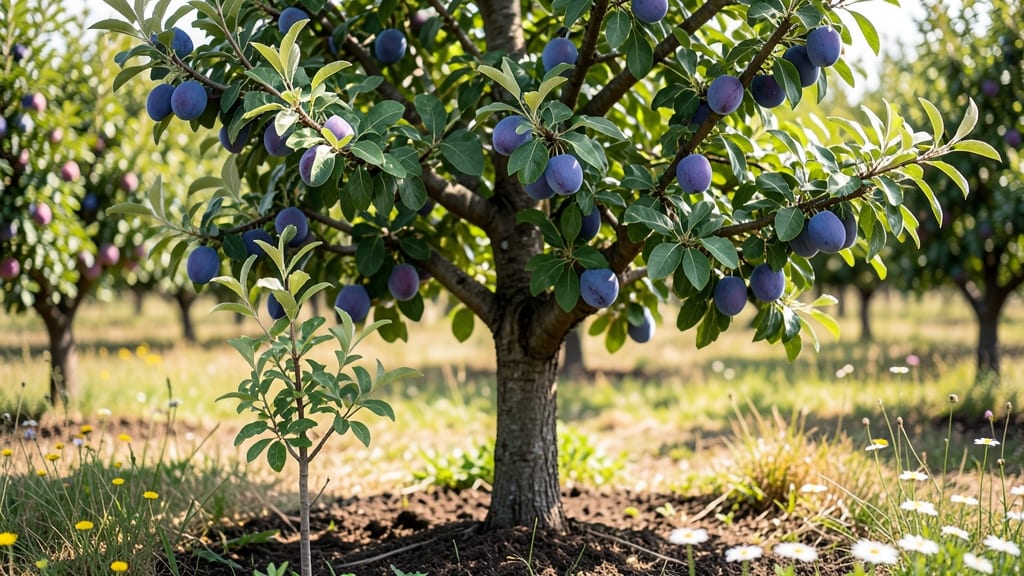
A plum tree’s mature height can range from a compact how tall does a plum tree grow—so your backyard’s space (or lack of it) is the first question to answer before planting.
Picture this: a dwarf variety like 'Pacific Giant' fits neatly in a small urban yard, while a standard 'Stanley' stretches toward your roof, casting shade over a picnic table. The difference isn’t just aesthetics—it’s about fruit access, pruning effort, and whether you’ll need a ladder every harvest.
In this guide, I’ll break down the height ranges for dwarf, semi-dwarf, and standard plum trees, plus the space-saving tricks that keep even full-sized varieties manageable. Whether you’re dreaming of a patio-friendly 🍑 or a backyard centerpiece, you’ll find the right fit for your garden.
You’ll also learn how pruning, soil, and climate tweaks can nudge a tree toward your ideal height—without sacrificing those juicy summer plums.


Plum tree height guide: dwarf to standard varieties explained
Choosing the right plum tree for your garden starts with understanding its mature height. These trees range from compact dwarf varieties perfect for small spaces to towering standard trees that need ample room. Your yard's size, sunlight exposure, and long-term care goals will determine which type suits you best.
Plum trees generally fall into three height categories: dwarf (6-10 ft), semi-dwarf (10-15 ft), and standard (15-30+ ft). Each category offers unique benefits—whether you're growing in a container garden or a spacious orchard. Let's break down what to expect from each.
If you're working with limited space, dwarf varieties like 'Pacific Giant' or 'Santa Rosa' are excellent choices. These trees typically reach 8-10 feet tall and thrive in containers or small gardens. Their compact size makes them ideal for urban environments where space is at a premium.
For medium-sized yards, semi-dwarf varieties like 'Methley' or 'Larry Ann' strike a balance. These trees grow to 12-15 feet tall and produce abundant fruit while fitting comfortably in most backyards. They require slightly more space than dwarfs but are far more manageable than standard varieties.
Standard plum trees, such as 'Stanley' or 'Black Diamond', can reach 20-30 feet tall or even taller. These are best suited for large properties or orchards where they can spread their branches without crowding other plants.
Their height also makes them less accessible for easy harvesting, so consider this if you plan to pick fruit regularly.
Another factor to consider is the growth rate. Dwarf varieties grow more slowly, allowing you to enjoy fruit in just a few years.
Standard varieties, however, can shoot up quickly, so plan for their long-term height if you choose one. Pruning can help manage growth, but it’s best to select a variety that naturally fits your space.
When planting, always check the recommended spacing for your chosen variety. Dwarf trees need at least 6-8 feet of space around them, while standard trees may require 20 feet or more.
Proper spacing ensures good airflow, reducing the risk of disease and pests while allowing the tree to grow strong and healthy.
Remember that soil quality and sunlight also influence height. Plum trees thrive in full sun (6-8+ hours daily) and well-draining soil. If your garden lacks ideal conditions, your tree may grow more slowly or stay smaller than expected. Amending the soil with compost can help encourage healthier, more vigorous growth.
Before planting, sketch a rough layout of your garden to visualize how the tree will fit. Consider mature height, branch spread, and any nearby structures. A well-planned location ensures your plum tree has room to grow without becoming a nuisance as it matures.
For those in urban areas, dwarf varieties are often the best solution. They fit neatly into small spaces, fit well in large containers, and still produce a bountiful harvest. With the right care, even a 6-foot-tall dwarf plum tree can yield enough fruit for a family of four.
Best space-saving plum tree varieties under 15 feet
If you love plums but lack space for a 20-foot giant, don’t despair! Many compact plum varieties stay under 15 feet tall while still producing abundant fruit. These space-saving options are perfect for small yards, containers, or urban gardens where traditional trees would overwhelm the space.
Choosing the right variety means balancing mature height, fruit quality, and care needs. Some stay under 10 feet, while others reach 12-15 feet—ideal for cozy backyards. Let’s explore the best dwarf and semi-dwarf plums that fit snugly into tight spaces without sacrificing productivity.
Space-Saving Plum Varieties: Pros & Cons
- Compact size (8-15 ft)
- High fruit yield per square foot
- Easy pruning for height control
- Urban-friendly for patios/containers
- Early ripening in some varieties
- Smaller fruit in some dwarf types
- Limited root space in containers
- Requires staking if grown in pots
- Shorter lifespan than standard trees
- Pollination needs may require 2 trees
'Pacific Giant' is a standout with a 10-12 foot mature height and juicy purple plums perfect for fresh eating or preserves. It thrives in USDA Zones 5-9 and produces fruit in just 3-4 years. For yellow plums, try 'Santa Rosa', which stays under 12 feet and resists cracking—ideal for humid climates.
If you prefer European plums, 'Methley' reaches 12-15 feet with sweet, red fruit and excellent disease resistance. It’s a favorite for small orchards or backyard gardens with limited space. All three varieties need full sun (6+ hours daily) and well-draining soil to thrive.
For container growing, choose 'Improved Egg' (10-12 ft), a self-pollinating variety with yellow-green plums. Use a 20-gallon pot and prune annually to maintain shape. Remember: Dwarf trees need regular pruning to prevent overcrowding and ensure airflow for fruit quality.
Plant your space-saving plum in early spring, spacing it 6-8 feet from structures or other trees. Mulch around the base to retain moisture and suppress weeds—critical for container-grown trees where roots compete for nutrients.
With the right care, these compact varieties will reward you with years of homegrown plums in even the tightest spaces! 🍑