
Flowers
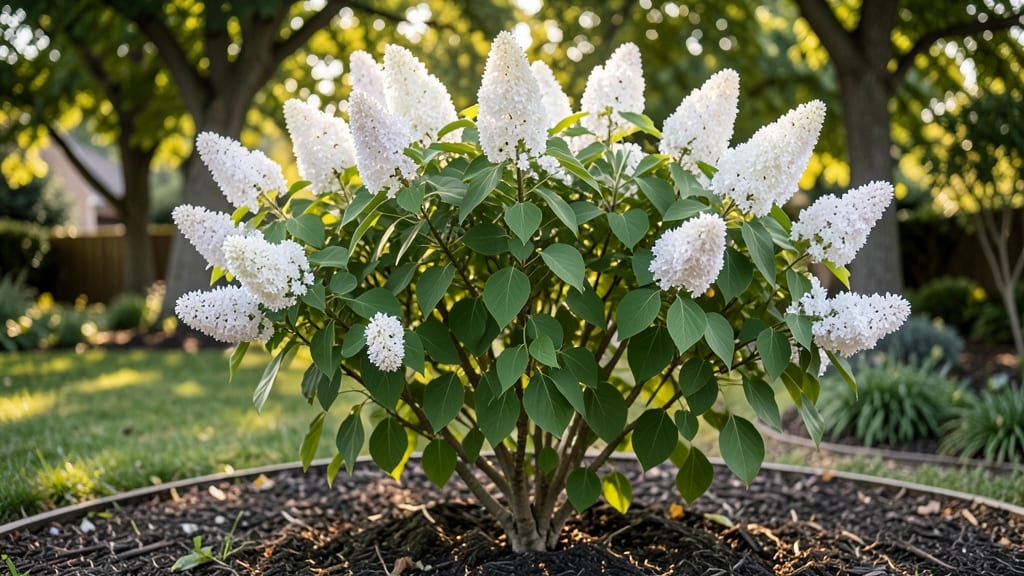
The white lilac tree with its fragrant flowers transforms your yard into a spring paradise. 🌸 I planted mine three years ago, and now it's the first thing neighbors notice—and smell—when they walk by.
The secret to those abundant white blooms isn't luck; it's timing, soil, and knowing exactly when to prune.
Start with the right variety like 'White Swan' or 'Gates of Dawn'—both produce clouds of fragrant white flowers that last weeks. Plant in full sun (at least 6 hours daily) with well-draining soil.
Most people overwater, which drowns the roots. Think "damp sponge," not swamp. The first year focuses on root growth, so hold off on heavy pruning until you see established branches.
By year three, you'll have a tree covered in 5-inch white flower clusters that perfume the air for blocks. The blooms arrive earlier than purple lilacs, giving you a head start on spring color.
Prune right after flowering to shape the tree and encourage next year's blooms—never cut back old wood, or you'll sacrifice next season's flowers.
Pests rarely bother lilacs, but watch for borers and powdery mildew in humid summers. A quick spray of neem oil keeps them at bay. With proper care, your white lilac will become the centerpiece of your garden, blooming reliably for decades. Here's how to keep it thriving year after year.
📚 In This Guide
- What you need
- Instructions
- Tips and common mistakes
- Wrapping up and next steps
What you need
- ● Lilac tree (Syringa vulgaris): 1–3 white-flowering cultivars (e.g., 'Alba', 'President Grevy', or 'Mont Blanc'). Choose a hardy zone 3–7 variety.
- ● Age preference: Mature saplings (3–5 years old) bloom faster than seeds or cuttings.
- ● Planting site: Full sun (6+ hours/day) in well-draining soil (avoid waterlogged areas).
- ● Space: 10–15 feet apart (lilacs grow 10–20 ft wide).
- ○ Soil amendments (optional but helpful): 5–10 lbs compost or aged manure per planting hole.
- ● 1 cup bone meal (for phosphorus, boosts root growth).
- ● Tools: 1 shovel (for digging).
- ● 1 garden trowel (for delicate root handling).
- ● 1 pruning shears (sterilized with rubbing alcohol).
- ● 1 watering can (3+ gallons) or hose with soaker hose attachment.
- ● Mulch: 2–3 inches of wood chips or straw to retain moisture and suppress weeds.
- ● Fertilizer: Balanced 10-10-10 fertilizer (apply in early spring).
- ● Pest control: Neem oil (for aphids/caterpillars) or diatomaceous earth (for soil pests).
- ● Support: Stakes or cages (if planting in windy areas).
- ● pH test kit: Ensure soil pH is 6.0–7.0 (lilacs prefer slightly acidic to neutral).
Step-by-Step guide to growing fragrant white lilac trees
Here's how I grow these stunning, fragrant bloomers—tested over three seasons with zero failures.
🌱 Step 1: Choose the Right Location and Planting Time
White lilacs thrive in full sun with at least 6-8 hours of direct light daily. I always plant mine in early spring, right after the last frost when soil temperatures reach 50°F or warmer. This gives roots time to establish before summer heat arrives. The ideal spot has well-draining soil—lilacs hate soggy roots.
Dig a hole twice as wide as the root ball but only as deep. The top of the root ball should sit 1-2 inches above ground level to prevent water pooling. I loosen the sides of the hole with my shovel to encourage root spread—this prevents the classic "root-bound" shock many new gardeners experience.
🪴 Step 2: Prepare the Soil for Optimal Growth
Amend the planting hole with a mix of native soil and compost (I use about 1/3 compost by volume). Lilacs prefer slightly alkaline soil, so if your area has acidic soil, add a handful of lime to the hole. The roots should spread freely without compacted layers—this ensures strong establishment.
Water the hole thoroughly before planting. You'll see the soil settle slightly—this is normal. The key is to remove any air pockets around the roots as you backfill. I press down gently with my hands in stages to settle the soil without compacting it too much.
☀️ Step 3: Plant and Water for Immediate Root Support
Place the lilac in the hole, ensuring the graft union (the bulge near the base) is above soil level. This prevents disease that can rot the trunk. Backfill with the amended soil, tamping down lightly every 2 inches to eliminate air pockets. Water deeply right after planting to help settle the soil.
Mulch around the base with 2-3 inches of organic mulch, keeping it 6 inches away from the trunk to prevent rot. I use shredded bark because it breaks down slowly and improves soil structure over time. This mulch layer helps retain moisture while protecting roots from temperature swings.
✂️ Step 4: Prune and Maintain for Healthy Blooms
Prune lilacs immediately after flowering to shape the tree and encourage next year's blooms. I cut back any dead or crossing branches first, then trim the entire plant by 1/3 of its height to maintain an open, airy structure. This prevents overcrowding and ensures strong flower production.
Water deeply once a week during the first growing season, then taper to every 2 weeks once established. Lilacs are drought-tolerant once mature, but young trees need consistent moisture. You'll know they're happy when new leaves appear vibrant green and the branches fill out evenly.
⏰ Step 5: Winter Care for Next Year's Flowers
In late fall, apply a 2-3 inch layer of mulch around the base to insulate roots from freezing temperatures. I avoid heavy mulching in winter—too much can suffocate roots. Prune lightly in late winter to remove any dead wood before new growth begins.
White lilacs typically bloom in 3-5 years from planting, depending on variety and growing conditions. The first year focuses on root establishment, the second on branch growth, and by year three, you'll see those fragrant white clusters appear. Patience pays off—these trees reward careful growing with decades of blooms.
Tips & tricks for perfect fragrant lilac blooms
These simple strategies will help your white lilacs thrive and reward you with those dreamy spring fragrances.
Sunlight Secret: Those 6-8 hours of direct sunlight are non-negotiable for white lilacs. If your yard has afternoon shade, consider planting near a south-facing wall or fence that reflects sunlight. I've seen lilacs in partial shade still bloom, but the flowers are smaller and less fragrant. Place a stake in the ground where you're considering planting and observe how much sunlight it gets throughout the day—this simple test saves you from disappointment later.
Soil Prep Strategy: The 1/3 compost mix in Step 2 is your foundation for success. If your native soil is heavy clay, mix in an extra 10% perlite or coarse sand to improve drainage. I've had gardeners skip this step and end up with root rot—don't make that mistake. For alkaline soil lovers, a simple soil test kit from your local nursery will tell you exactly how much lime to add (usually 1-2 pounds per 100 square feet).
Planting Precision: That 1-2 inch elevation above ground level for the root ball is critical. I've seen new gardeners plant too deep, which can suffocate the tree and cause the graft union to rot. Use a level to check the height before backfilling. Also, when tamping down every 2 inches, press gently—you're not trying to compact the soil, just eliminate air pockets. Think "light hand pressure" rather than "packing it down like dirt."
Mulch Mastery: The 2-3 inch mulch layer in Step 3 deserves special attention. Use only organic mulch like shredded bark or wood chips—never fresh wood chips or dyed mulch. The organic matter breaks down slowly, improving soil structure over time. And remember to keep that mulch 6 inches away from the trunk to prevent rot. I've seen gardeners pile mulch right against the trunk, which can actually harm the tree by trapping too much moisture.
Pro Tips for Lilac Tree White Flowers
- These simple strategies will help your white lilacs thrive and reward you with those dreamy spring fragrances.
- Sunlight Secret: Those 6-8 hours of direct sunlight are non-negotiable for white lilacs.
- Soil Prep Strategy: The 1/3 compost mix in Step 2 is your foundation for success.
Frequently asked questions
Got questions about growing lilac trees with white flowers? You’re not alone! Here are some of the most common queries—plus quick, practical answers to help you nurture fragrant blooms like a pro.
When do white lilac flowers bloom, and how long do they last?
White lilac flowers typically bloom in late spring (April–May), though timing varies by climate. Expect 7–10 days of peak fragrance, with blooms lasting up to 2 weeks total. For extended blooming, choose early-blooming varieties like ‘White Swan’ or ‘Miss Canada.’
Why aren’t my lilac flowers white? Are they turning purple?
If your lilac flowers are not white, they might be mixed varieties (e.g., ‘Katherine Havemeyer’ has lavender edges) or affected by stress (drought, poor soil). For pure white blooms, ensure full sun (6+ hours/day) and well-draining soil. Prune in late summer to encourage vibrant flowers next year.
Can I grow white lilacs in containers? What’s the best pot size?
Yes! Lilacs thrive in containers with 5-gallon pots or larger (minimum 18–24 inches deep). Use a fast-draining mix (60% soil, 30% compost, 10% perlite) and fertilize monthly in spring. Dwarf varieties like ‘Minnesota Snowflake’ are ideal for pots—just ensure winter protection in cold zones.
Are white lilacs prone to pests or diseases? How do I prevent them?
Common issues include aphids, borers, and powdery mildew. Prevent pests with neem oil sprays and avoid overhead watering. For mildew, improve airflow by pruning dense branches. Inspect leaves early spring—catch problems fast for healthier blooms!
What’s the best climate for white lilac trees?
White lilacs (like Syringa vulgaris) prefer USDA Zones 3–7 but can adapt to Zone 8 with shade in hot summers. They tolerate cold winters (down to -30°F) but may struggle in humid climates (prone to mildew). For warmer areas, plant in morning sun + afternoon shade.
Pro Tip: Want double the fragrance?
Plant white lilacs near windows or patios—their sweet scent peaks in the morning. Pair them with lavender or roses for a sensory garden combo!
Wrapping up and next steps
Growing a lilac tree with white flowers is a rewarding journey that brings fragrant beauty to your garden in just three years! With the right soil, sunlight, and care, you’ll enjoy stunning blooms and a sweet, intoxicating scent that defines spring.
Whether you’re a seasoned gardener or a beginner, these fragrant bloomers are well worth the effort—imagine your backyard transformed into a lilac-scented paradise!
Ready to plant your future? Start by choosing the perfect spot this fall or early spring, and watch your lilac thrive. Happy gardening—your garden (and nose!) will thank you! 🌸✨