
Diseases
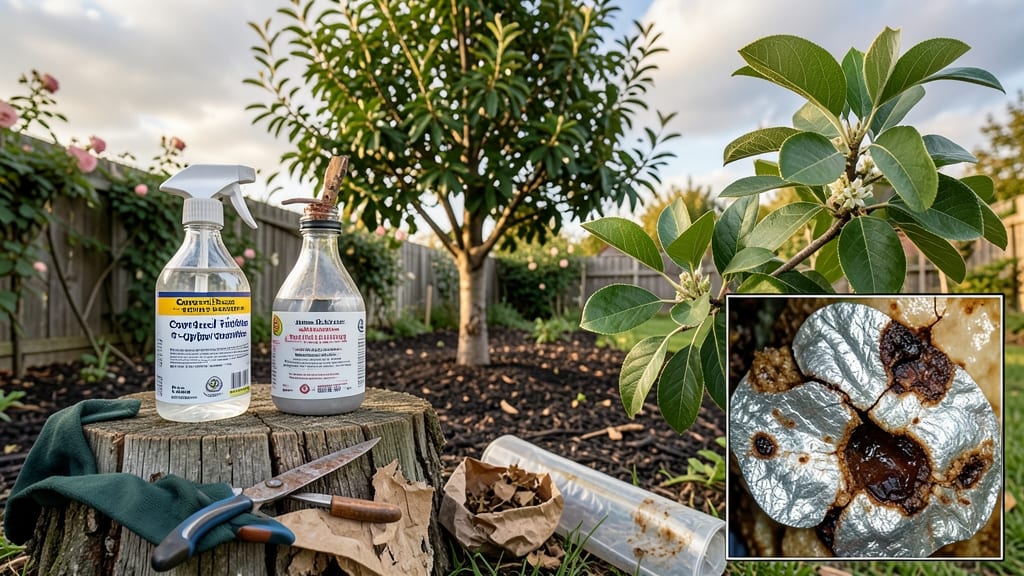
When your plum tree shows signs of plum tree diseases, treatment starts with spotting those dark, sunken spots on leaves or fruit early—and acting fast with targeted sprays and pruning. 🌿 I’ve battled these same issues with my mature plum, and the key is catching symptoms before they spread.
The real damage happens when wet spring weather creates the perfect breeding ground for pathogens like fungal blight and bacterial spot. Most gardeners overlook the importance of removing infected branches (burn them, don’t compost!) and watering at the base instead of overhead.
I learned this the hard way after losing half my crop to bacterial spot—now my trees stay healthier with copper sprays applied before blooms even appear.
You’ll see dramatic improvement within 2-3 weeks of consistent treatment: fewer spots, firmer fruit, and leaves that stay green instead of yellowing. The secret weapon? A mix of baking soda spray (for bacterial spot) and neem oil (for fungal blight), applied every 7-10 days during wet seasons.
Even better, these methods prevent next year’s outbreaks.
For stubborn cases or large trees, professional help might be worth the investment—but don’t wait until the tree is half dead. Start with these organic fixes, and you’ll protect your harvest while keeping your plum tree thriving for seasons to come.
Root Causes Of Plum Tree Ailments
Plum trees, with their lush foliage and sweet fruit, can quickly become vulnerable to diseases when certain conditions align. Understanding why these issues arise is the first step to prevention and effective treatment.
Below, we break down the key factors that contribute to fungal blight, bacterial spot, and other common plum tree diseases—so you can address the root of the problem before it spreads.
Fungal diseases like brown rot (Monilinia spp.) and powdery mildew thrive when humidity and moisture levels are high. Here’s why:
- Wet Leaves & Poor Airflow Fungi spread via spores that germinate in damp environments. If leaves stay wet for more than 6–12 hours (especially at night), spores latch on and infect the tree. Poor airflow—common in dense plantings or shaded areas—traps moisture, creating the perfect breeding ground.
- Warm Temperatures (60–80°F) Most fungal pathogens peak in activity during warm, humid weather. Brown rot, for example, spreads aggressively when daytime temps hover around 70°F and nights stay mild.
- Weakened Tree Defense Stressed trees (from drought, poor soil, or nutrient deficiencies) have lower resistance to fungal attacks. A healthy plum tree with strong roots and proper care can fend off infections better.
💡 Pro Tip: Prune for open canopy (remove crowded branches) and avoid overhead watering to keep foliage dry.
Bacterial diseases like bacterial spot (Xanthomonas pruni) and canker (Pseudomonas syringae) exploit wounds and thrive in warm, wet conditions. Here’s how they take hold:
- Rain And Windborne Spores Bacteria hitch rides on rain splashes or wind, entering the tree through natural openings (stomata, lenticels) or injuries (pruning cuts, hail damage). A single infected leaf can release thousands of bacteria in a downpour.
- High Humidity (Above 75%) Bacterial spots multiply rapidly when humidity stays high for prolonged periods. Unlike fungi, bacteria don’t need a long wet period—just brief, frequent moisture is enough to trigger outbreaks.
- Contaminated Tools & Pruning Wounds If pruning shears are not sterilized between cuts, bacteria can jump from infected branches to healthy ones. Even small wounds (like those from hail or birds) provide entry points.
✨ Prevention Hack: Disinfect pruners with 70% rubbing alcohol or a 10% bleach solution before and after each use.
Plum trees don’t just fall ill from pathogens—they’re often weakened by external stressors that make them easier targets:
- Waterlogged Soil Overwatering or poor drainage drowns roots, starving the tree of oxygen and nutrients. Weak roots = reduced disease resistance. Aim for 1–1.5 inches of water per week (adjust for rain).
- Nutrient Deficiencies (Especially Potassium & Zinc) A lack of potassium (K) weakens cell walls, making them easier for pathogens to penetrate. Zinc deficiency (common in alkaline soils) also impairs the tree’s ability to fight infections.
- Extreme Temperature Shifts Sudden cold snaps or late frosts can damage bark, creating entry points for bacteria and fungi. Mulch around the base to insulate roots and protect against temperature swings.
🎯 Quick Fix: Conduct a soil test every 2–3 years to check pH and nutrient levels. Amend soil with compost or organic matter if deficient.
Some diseases hitchhike on pests like aphids, mites, or borers, which weaken the tree or spread pathogens directly:
- Aphids & Scale Insects These sap-sucking pests excrete honeydew, a sticky residue that fosters sooty mold (a secondary fungal issue). They also transmit bacterial diseases like leaf spot.
- Japanese Beetles & Plum Curculio These insects chew leaves and fruit, creating wounds that bacteria and fungi exploit. A single beetle can devastate a tree’s defenses in days.
- Borer Infestations Wood-boring beetles (like the plum borer) create tunnels under the bark, blocking nutrient flow and making the tree susceptible to fungal infections like canker.
🔪 Defense Strategy: Use neem oil or insecticidal soap early in the season to prevent pest outbreaks before they invite diseases.
Even the healthiest plum tree can fall victim to diseases if basic care is neglected:
- Over-Fertilizing With Nitrogen Too much nitrogen promotes soft, lush growth that’s highly susceptible to fungal infections. Balance with phosphorus (P) and potassium (K) for stronger structural support.
- Ignoring Pruning Best Practices Improper pruning (cutting too late in the season or leaving stubs) creates wounds that heal slowly, inviting infections. Always prune in late winter/early spring (dormant season).
- Planting Too Close To Other Trees Overcrowding reduces airflow and increases humidity around the tree. Space plum trees at least 15–20 feet apart for optimal airflow.
📊 Data Point: Studies show that properly spaced trees with open canopies reduce fungal disease incidence by up to 60% compared to dense plantings.
Mother Nature plays a huge role in disease spread. Keep an eye on:
- Spring Rains Followed By Warmth The perfect storm for bacterial spot and powdery mildew. April–May showers + 60°F+ temps = peak infection risk.
- Humid Summers Fungal spores survive and spread in high humidity, especially in shady or low-lying areas where air doesn’t circulate.
- Late Fall Freezes Sudden cold snaps can kill new growth, leaving the tree vulnerable to winter diseases like silver leaf fungus.
⏰ Timing Matters: Apply fungicides preventively in early spring (before bloom) and late summer (after harvest) to disrupt pathogen cycles.
How to Fix It Naturally
Now that you know the culprits behind your plum tree’s woes—whether it’s silver leaf disease, bacterial spot, or powdery mildew—it’s time to roll up your sleeves and get to work! The good news?
Most fungal and bacterial issues can be treated and prevented with a mix of organic remedies, cultural fixes, and proactive care. Below, we’ll break down targeted solutions for each common disease, plus prevention tips to keep your tree thriving.
🔥 Cause: Chalara fraxinea (silver leaf) or Monilinia (brown rot) 🍳 Fix It:
- Prune Infected Branches Immediately 🔪
- Use sterilized pruners (wipe with rubbing alcohol between cuts).
- Remove all infected wood, including 1–2 inches below the lesion to ensure the fungus doesn’t linger.
- Dispose of prunings in a sealed bag (do not compost them).
- Apply Fungicidal Sprays 💦
- Copper-based fungicides (like copper hydroxide) are highly effective against Monilinia.
- Neem oil (1 tsp per quart of water + a drop of dish soap) can suppress silver leaf in early stages.
- Reapply every 7–10 days during wet seasons or after pruning.
- Improve Air Circulation 🌬️
- Thin out dense foliage to reduce humidity near the tree.
- Space trees 6–10 feet apart to prevent future outbreaks.
💡 Pro Tip: If silver leaf is severe, consult a local extension office—some regions require regulated treatments to prevent spread.
🔥 Cause: Xanthomonas or Pseudomonas bacteria 🍳 Fix It:
- Remove & Destroy Infected Leaves 🌿
- Pick off spotted leaves and burn or trash them (don’t mulch).
- Avoid overhead watering—wet leaves spread bacteria.
- Use Bacterial-Specific Sprays 💊
- Copper fungicide (again!) works here too—spray early morning or evening to avoid leaf burn.
- Bacterial blight control (like Serenade Garden Disease Control) contains beneficial bacteria to outcompete pathogens.
- Boost Tree Immunity 💪
- Fertilize with compost (rich in phosphorus & potassium) to strengthen cell walls.
- Avoid nitrogen-heavy fertilizers—they promote soft, bacteria-loving growth.
💡 Pro Tip: Baking soda spray (1 tbsp baking soda + 1 tsp soap + 1 gallon water) can prevent bacterial spot—test on a small leaf first!
🔥 Cause: Podosphaera oxyacanthae (fungus thrives in shady, humid spots) 🍳 Fix It:
- Clean the Tree Thoroughly 🧼
- Gently scrub leaves with a soapy water spray (1 tsp mild soap per gallon).
- Rinse well to avoid damaging foliage.
- Apply Fungicidal Sprays 🍄
- Sulfur-based sprays (like Liqui-Cop) are organic and effective.
- Milk spray (1 part milk to 9 parts water) prevents mildew—sound weird? It works! 🥛
- Adjust Growing Conditions 🌞
- Prune for sunlight—mildew loves shade.
- Water at the base (not overhead) and avoid late-day watering.
💡 Pro Tip: Reflective mulch (like white gravel) around the base reduces humidity near the tree.
Even after treatment, prevention is key! Follow these year-round habits to keep your plum tree healthy:
| Season | Action | Why It Works |
|---|---|---|
| Spring | Dormant oil spray (before buds swell) | Kills overwintering fungi & pests. |
| Early Summer | Copper fungicide preventative spray | Stops bacterial/fungal spores in track. |
| Fall | Rake & remove fallen leaves | Eliminates fungal spores over winter. |
| Winter | Mulch properly (2–3" layer) | Protects roots from temperature swings. |
✨ Bonus: Plant resistant varieties like Stanley or Methley—they’re bred to fight common diseases!
Final Thought: Most plum tree diseases respond well to early action—don’t wait until branches are blackened or leaves are crispy! Act fast, stay consistent, and your tree will bounce back stronger. 🌱💪
Frequently asked questions
How do I know if my plum tree has bacterial spot or fungal blight?
Look for dark brown spots with yellow halos on leaves (bacterial spot) or sunken, grayish lesions on fruit/branches (fungal blight). Fungal issues often appear after wet weather, while bacterial spots show up as tiny dots that grow rapidly. Always check the undersides of leaves first.
Can I use the same treatment for all plum tree diseases?
No—fungal diseases like brown rot need copper fungicides or neem oil, while bacterial spot responds better to baking soda sprays or copper. Always match the treatment to the pathogen. For mixed infections, rotate between copper-based sprays and organic oils every 7-10 days.
Is it safe to compost leaves from diseased plum trees?
Never compost infected leaves or fruit—the spores/pathogens survive and reinfect your garden. Burn or trash them in sealed bags. Even "healthy" looking leaves from treated trees should go to landfill to prevent reinfection next season.
How often should I spray my plum tree for disease prevention?
Apply preventative sprays every 2-3 weeks during spring blooming and late summer (peak infection periods). For organic solutions, use neem oil in spring and copper fungicide after harvest. Always spray early morning or evening to avoid leaf burn.
When should I call a professional arborist for plum tree diseases?
Consult an expert if you see large cankers, wilted branches, or 50%+ leaf loss—these may indicate advanced fungal infections like silver leaf. Also seek help if home treatments fail after 4-6 weeks, as some diseases (like bacterial canker) require specialized injections.