
Pruning
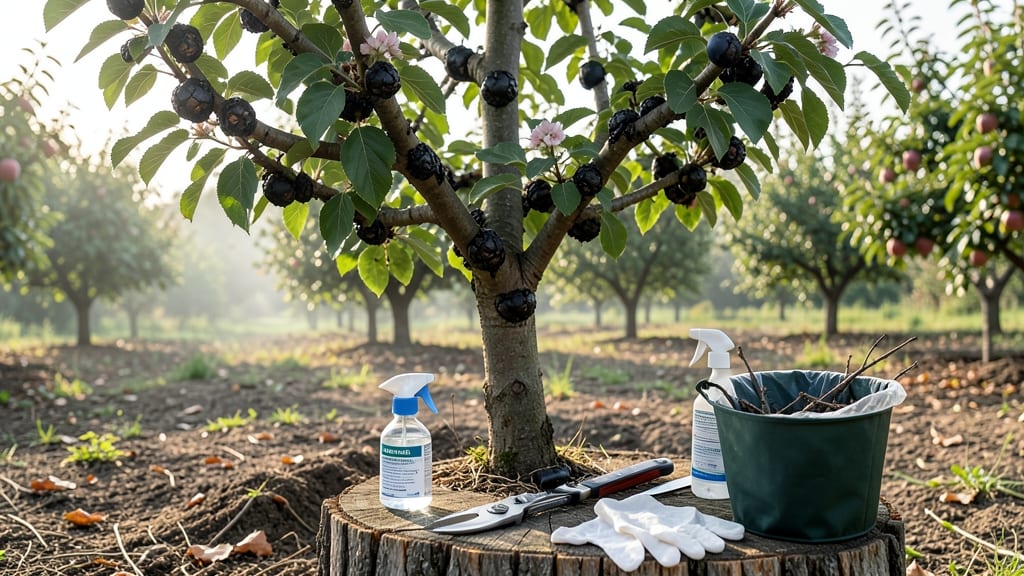
That ugly black knot disease on your plum tree isn’t just unsightly—it’s stealing nutrients and weakening your tree’s health. 🌿 I’ve battled plum tree black knot treatment for years, and copper spray is the game-changer that finally worked for me after pruning and sanitation alone failed.
The fungus thrives in wet, humid conditions, spreading through spores that cling to pruning tools or rain-splashed branches. That’s why timing matters—apply copper spray before spring buds swell, and again after pruning to seal fresh wounds. It’s not a one-and-done fix, but it stops the spread.
You’ll see new growth emerge within weeks, with fewer knots and healthier branches. The key is consistency: spray every 2-3 weeks during active growth, and always clean pruners with rubbing alcohol between cuts. Your tree will bounce back stronger than ever.
Works for both organic and conventional gardeners—just adjust the copper concentration. Here’s the step-by-step to reclaim your plum tree’s health.
The Hidden Triggers Behind Black Knot
Black knot disease in plum trees isn’t just a random attack—it thrives when specific conditions align, turning your fruit tree into a fungal buffet. Understanding the why behind this stubborn infection helps you break the cycle and protect your orchard. Here’s what’s really fueling the problem:
The primary culprit is Apiosporina morbosa, a fungus that spends winters dormant in infected branches, twigs, or even fallen leaves. When conditions warm up:
- Spores germinate in wet, mild weather (ideal: 50–70°F with high humidity).
- Wind or rain splashes spores onto fresh wounds, buds, or bark crevices.
- Infection takes hold within 24–48 hours if moisture lingers.
Pro tip: 💡 Old infections (even mummified knots) can release spores for years. Prune out all signs of black knot—even dead-looking knots—to starve the fungus.
Black knot doesn’t just appear—it waits for the right forecast. The fungus loves:
- Spring rains (April–June): Spores germinate as buds swell, creating easy entry points.
- High humidity (70%+): Keeps spores viable and skin wet, speeding up infection.
- Cool nights/warm days: Ideal for fungal growth (think 50–65°F at night, 75–85°F during the day).
Science note: 🌡️ The fungus’s optimal growth temperature is 60–70°F—exactly the range of early spring in many plum-growing regions. Drought or extreme heat can slow it down, but once established, the knot itself becomes a permanent scar.
Plum trees aren’t born with black knot—they get it through entry points. Common culprits:
- Pruning cuts: Improper cuts leave jagged edges where spores latch on.
- Insect damage: Borers, sawflies, or even birds pecking at bark create gateways.
- Frost cracks: Sudden temperature swings split bark, exposing inner tissue.
- Thinning branches: Over-pruning stresses the tree, weakening its defenses.
Actionable fix: ✨ Always use clean, sharp tools and seal cuts with pruning paint (or a copper-based wound dressing) to block spores. Time pruning for dry weather to avoid spreading spores via rain.
A healthy plum tree fights off black knot better. Stressors that lower resistance:
- Poor airflow: Dense canopies trap moisture, creating fungal hotspots.
- Nutrient deficiencies: Low nitrogen or potassium weakens bark integrity.
- Root damage: Compaction, girdling roots, or poor drainage starve the tree.
- Young or old trees: Saplings lack defenses; mature trees have brittle wood.
Garden hack: 💪 Thin branches to improve airflow, and mulch properly (2–3 inches of organic mulch) to retain moisture without suffocating roots. A balanced fertilizer (10-10-10) in early spring boosts recovery.
Fungal spores are sneaky hitchhikers. They lurk on:
- Pruners/shears: Even a tiny smear of infected sap can transfer spores to healthy branches.
- Garden soil: Spores survive in leaf litter or old knots left on the ground.
- Water sources: Splashing from infected branches contaminates nearby shoots.
Sterilization rule: 🔥 Clean tools with 70% isopropyl alcohol or a 10% bleach solution before and after each use. Remove all infected debris from the site—do not compost black knots.
Fixing Black Knot on Plum Trees
Black knot fungus (Apiosporina morbosa) can turn your plum tree’s branches into a tangled mess of black, swollen cankers—but don’t despair! With the right approach, you can stop the spread, remove the damage, and protect your tree for years to come.
Below, we break down practical, step-by-step solutions tailored to the cause of your infection, plus prevention tips to keep your tree healthy.
Cause: Black knot spreads via fungal spores that infect wounds, weak branches, or old cankers. Fix:
- 🔪 Remove infected branches 6–12 inches below the knot (the fungus can hide underground).
- 👨🍳 Sterilize tools between cuts with 70% rubbing alcohol or bleach water (1 part bleach to 9 parts water) to avoid spreading spores.
- 🌡️ Burn or bag infected branches (do not compost them—the fungus can survive).
- ⏰ Best time to prune: Late winter or early spring (when the tree is dormant) to minimize stress.
Pro Tip: 💡 If the knot is on a small branch, cut it back to a healthy bud or lateral branch—this encourages regrowth.
Cause: Black knot thrives in moist conditions and spreads via spores. Copper fungicides disrupt the fungus’s cell walls. Fix:
- 🛡️ Use a copper-based spray (like copper sulfate, copper hydroxide, or Bordeaux mixture)—these are organic and effective.
- 🌧️ Spray thoroughly (cover leaves, branches, and trunk) before bud break (late winter) and again after harvest (fall).
- 📅 Schedule: Apply every 10–14 days during wet seasons or after heavy rain to prevent reinfection.
Pro Tip: ✨ Mix 1 tbsp baking soda + 1 tsp horticultural oil + 1 gallon water as a preventative spray between copper treatments.
Cause: Stressed, overcrowded, or nutrient-deficient trees are more susceptible to black knot. Fix:
- 💪 Fertilize properly: Use a balanced, slow-release fertilizer (10-10-10 or 5-10-10) in early spring.
- 🌊 Water deeply but less often—avoid overhead sprinkling (keeps leaves wet, encouraging fungus).
- 🌿 Prune for airflow: Thin out dense branches to reduce humidity around the tree.
- 🍎 Mulch correctly: Apply 2–4 inches of organic mulch (wood chips, straw) away from the trunk to prevent rot.
Pro Tip: 🌡️ Avoid pruning in wet weather—wait for dry conditions to minimize new infections.
Cause: Black knot can reappear if spores linger in the soil or on tools. Fix:
- 🧹 Clean up debris: Remove fallen leaves and fruit from under the tree (fungus overwinters here).
- 🔄 Rotate fungicides: If using chemical sprays, alternate between copper and sulfur-based fungicides to prevent resistance.
- 🌿 Plant resistant varieties: Some plum cultivars (like Stanley, Methley, or Montclar) are less susceptible to black knot.
- 🚫 Avoid wounding trees: Be careful with lawnmowers, weed whackers, or pruning near the trunk.
Pro Tip: 🎯 Inspect trees every spring—catching knots early makes treatment much easier.
- ❌ Pruning during rainy weather → Spreads spores.
- ❌ Leaving infected branches in the yard → Fungus survives and reinfects.
- ❌ Over-fertilizing with nitrogen → Encourages soft, susceptible growth.
- ❌ Ignoring small knots → They’ll grow and kill branches over time.
Final Thought: With pruning, copper sprays, and good tree care, you can completely eliminate black knot from your plum tree. Stay vigilant, and your tree will reward you with years of healthy fruit! 🍑🌿
Frequently asked questions about black knot on plum trees
How do I tell if my plum tree has black knot?
Look for dark, swollen, shelf-like growths on branches or twigs—these are the telltale black knots. They often appear in clusters and may ooze sap when cut. Early signs include small, raised bumps that turn black and harden over time. Check branches during dormancy (winter) when symptoms are most visible.
Can I save my plum tree if it already has black knot?
Yes! Remove all infected branches 6-12 inches below the knot using sterilized tools, then apply a copper fungicide spray every 2-3 weeks during growing season. With consistent care, your tree can recover and produce fruit again. The key is early action—don't wait until knots spread.
Is copper spray safe for my plum tree?
Yes, copper-based fungicides are organic and safe for plum trees when used correctly. Follow label instructions for concentration and timing. Avoid spraying when temperatures exceed 85°F or when rain is forecasted within 24 hours. Copper is most effective when applied preventatively before symptoms appear.
How often should I prune my plum tree to prevent black knot?
Prune once a year during dormancy (late winter/early spring) to remove dead, crossing, or diseased branches. After each pruning session, sterilize tools and dispose of infected material properly. Thin out dense branches to improve airflow, which helps prevent fungal growth. Regular pruning keeps your tree healthy and reduces infection risks.
What's the best time of year to treat black knot?
Start treatments before bud break (late winter) and continue until fall harvest. The fungus spreads most aggressively during spring rains, so focus on copper sprays every 10-14 days during wet periods. Fall applications help protect next year's growth. Always clean up fallen leaves and debris to remove overwintering spores.