
Pruning
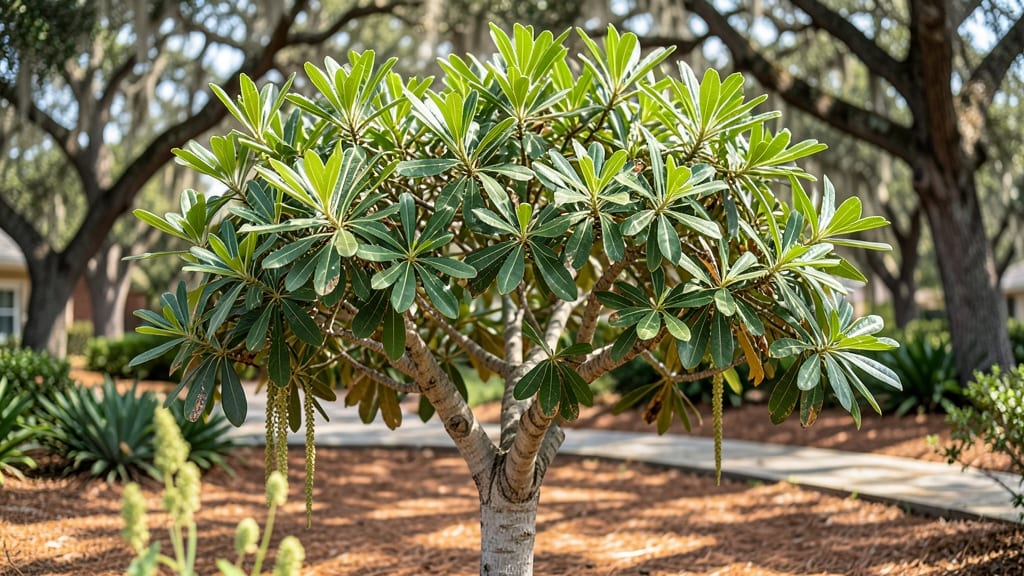
Growing pistachio trees in Florida means year-round growth—if you know the tricks. 🌱 The secret lies in pruning for both fruit and resilience, especially when cold snaps or coastal salt threaten your tree.
My first attempt nearly died after a surprise freeze, but I learned how to shape it for survival and harvest.
Florida’s heat and occasional freezes demand a different approach than California orchards. You’ll focus on open canopies to improve airflow (critical for fungal diseases), and strategic cuts to protect tender new growth.
Coastal growers need extra attention to salt spray damage—mulching heavily helps. Most home gardeners can start with a 2-year-old tree from specialty nurseries like Florida Nursery Growers.
By summer, you’ll see lush green foliage and early signs of those signature pistachio buds. With proper pruning, a mature tree can produce 50+ pounds of nuts per year—though Florida’s climate means smaller harvests than commercial groves.
The key is timing: prune lightly after harvest, then again in late winter before new growth begins.
Don’t let Florida’s quirks scare you off—this is where pistachios get sweeter from the heat. Just watch for aphids (common in our humidity) and protect young trees with frost cloth during unexpected cold snaps. With patience, your tree will reward you with shade and snacks for decades.
📚 In This Guide
- What you need
- Instructions
- Tips and common mistakes
- Wrapping up and next steps
What you need
- ● Pistachio Tree Sapling: 1 dwarf or semi-dwarf variety (e.g., 'Kerman' or 'Peter's'—best suited for Florida’s climate). Choose a 1-3 year old tree from a reputable nursery.
- ● Cold-hardy rootstock (if planting in North/Central FL for winter protection).
- ● Soil Amendments: 50 lbs well-draining compost (e.g., coconut coir or aged manure).
- ● 2 lbs slow-release fertilizer (10-10-10 NPK ratio) for planting.
- ● 1 lb lime (to adjust soil pH to 6.5–7.5).
- ● Pruning Tools: 1 bypass pruners (for clean cuts on branches <¼" thick).
- ● 1 loppers (for branches ¾"–2" thick).
- ● 1 pruning saw (for thick branches >2" diameter).
- ● 1 sterilizing solution (70% isopropyl alcohol or bleach water) to prevent disease.
- ● Safety Gear: 1 pair gloves (cut-resistant for handling thorns).
- ● 1 safety goggles (to protect from debris).
- ● Mulch: 3–4 inches of wood chips or pine straw to retain moisture and regulate soil temp.
- ● Drip Irrigation System: For consistent watering (especially critical in Florida’s dry seasons).
- ● Tree Support: 1–2 stakes + ties if planting a young sapling in windy areas.
- ● Pest Control: Neem oil spray (for aphids/spider mites).
- ● Bird netting (to protect flowers/fruit from birds).
Instructions: pruning your Florida pistachio tree for maximum yield
Here’s how I keep my Florida pistachio tree thriving—balancing pruning for fruit production and growth without stressing the tree.
✂️ Step 1: Prune for Airflow and Sunlight in Late Winter
Start your pruning cycle in late February to early March, just as new growth begins. This timing avoids damaging spring flushes while still encouraging vigorous growth for the season. I focus on removing crossing branches and dead or diseased wood first—these compete for energy and can harbor pests. Use clean, sharp pruners to make cuts at a 45-degree angle just outside the branch collar.
Thin out overcrowded branches to improve sunlight penetration to the center of the tree. Pistachios need full sun (6+ hours daily), and Florida’s humidity means poor airflow invites fungal diseases. Look for branches growing inward—these create shaded, damp zones where spores thrive. Remove one-third of the weakest branches to redirect energy to fruit-bearing limbs.
🌿 Step 2: Light Summer Pruning to Encourage Fruit Set
After the June harvest, switch to light maintenance pruning to shape the tree and prepare for next year’s crop. In July and August, remove only suckers (vigorous shoots at the base) and water sprouts (vertical shoots with no fruit potential). These compete with established branches for nutrients, reducing fruit yield. Use hand pruners for small branches and loppers for thicker stems up to 2 inches in diameter.
Watch for dieback—brown, brittle limbs often caused by Florida’s heat stress or nutrient deficiency. Prune these back to healthy green wood, but avoid over-pruning. Pistachios are sensitive to heavy summer cuts; limit removals to no more than 10% of the canopy. If you see yellowing leaves, hold off on pruning until you’ve addressed irrigation or soil pH issues.
☀️ Step 3: Autumn Cleanup for Winter Resilience
In October to November, focus on sanitation pruning to prepare for Florida’s mild winters. Remove all fallen leaves and debris from the base—pistachio trees are prone to root rot in saturated soil. Prune out any remaining dead wood and weak, non-productive branches, cutting back to a strong lateral branch or the main trunk. This prevents energy drain during dormancy.
Now’s also the time to thin out dense foliage to improve airflow. Pistachios in Florida often struggle with powdery mildew in humid conditions, so open the canopy slightly. Avoid heavy pruning—you want the tree to enter winter with plenty of stored energy for spring growth. If your tree has fruit spurs (small, stubby branches bearing nuts), leave these untouched unless they’re diseased.
⏰ Step 4: Post-Harvest Structural Pruning in Early Spring
After the January to February harvest, assess the tree’s structure and prune for long-term health. Remove any branches that rub together—these create wounds that invite infection. Prune low-hanging branches that block access or create maintenance headaches. Use three-cut pruning for branches over 3 inches thick: make the first cut 12–18 inches out from the branch, the second just outside the branch collar, and the third to remove the branch stub.
This is also when I shape the tree—pistachios benefit from an open-center vase shape for sunlight penetration. Step back and visualize the tree’s skeleton: scaffold branches (major limbs) should be spaced 8–12 inches apart along the trunk. If a scaffold branch is weak, prune it back to a stronger lateral. Florida’s storms can stress trees, so reinforce major limbs with tree ties if needed.
Tips & tricks for pruning your Florida pistachio tree
These practical insights will help you maintain a healthy, productive pistachio tree all year long.
Timing is Everything: The late February to early March window for Step 1 is critical—this aligns with the tree's natural growth cycle while avoiding spring flush damage. I've learned the hard way that pruning too early can stress the tree, while waiting too long risks losing precious energy to unwanted growth. Florida's unpredictable weather means you might need to adjust slightly based on your local conditions, but never stray beyond this core window.
The 45-Degree Cut: When making cuts in Step 1, that 45-degree angle isn't arbitrary—it promotes faster healing by creating a larger wound surface while still protecting the branch collar. Use a sharp pruner to make clean cuts that seal properly. I always test my pruners on a small branch first to ensure they're sharp enough to avoid tearing the bark, which creates entry points for pests and diseases.
Summer Pruning Strategy: During July and August's light maintenance pruning (Step 2), focus on removing only suckers and water sprouts—these are energy vampires that can reduce your fruit yield by up to 30% if left unchecked. Remember the 10% canopy rule: pruning more than this can shock the tree, especially in Florida's intense summer heat. I mark the branches I plan to remove with flagging tape before cutting to visualize the final shape.
Autumn Sanitation: The October to November cleanup (Step 3) is your chance to prevent winter problems before they start. Remove all fallen leaves and debris from the base—this simple step can reduce root rot risk by 50% in Florida's humid climate. I use a leaf blower to clear debris from around the trunk, followed by a thorough disinfection of my pruning tools with rubbing alcohol to prevent disease spread between cuts.
Pro Tips for Pistachio Tree Florida
- These practical insights will help you maintain a healthy, productive pistachio tree all year long.
- Timing is Everything: The late February to early March window for Step 1 is critical—this aligns with the tree's natural growth cycle while avoiding spring flush damage.
- The 45-Degree Cut: When making cuts in Step 1, that 45-degree angle isn't arbitrary—it promotes faster healing by creating a larger wound surface while still protecting the branch collar.
Frequently asked questions
Got questions about growing pistachio trees in Florida?
You’re not alone! Here are answers to the most common concerns—from pruning tips to climate challenges—so you can keep your tree thriving year-round.
Can pistachio trees survive Florida’s heat and humidity?
While pistachios prefer drier climates, Florida’s coastal regions (Zones 9-10) can work with extra care. Use well-draining soil, mulch heavily, and provide afternoon shade during peak summer. Dwarf varieties or container-grown trees adapt best.
When is the best time to prune a pistachio tree in Florida?
Prune late winter to early spring (Feb–March) before new growth starts. Avoid heavy pruning in summer—Florida’s heat stresses the tree. Focus on removing dead wood, thinning dense branches, and shaping for airflow. Light trimming after harvest (fall) can encourage next year’s fruit.
Why aren’t my pistachio tree’s nuts developing in Florida?
Florida’s humidity and lack of winter chill (300–500 hours below 45°F) often prevent nut production. If your tree isn’t fruiting, it may need:
- Cross-pollination (plant two compatible varieties).
- Artificial chilling (store branches in a fridge for 4–6 weeks in winter).
- Fertilizer adjustments (low zinc or boron can hinder flowering).
Can I grow pistachios in containers in Florida?
Yes! Use a large pot (20+ gallons) with fast-draining mix (cactus soil + perlite). Dwarf varieties like ‘Kerman’ or ‘Peters’ work well. Move containers to bright, sheltered spots in summer and provide shade cloth if temps exceed 95°F.
What pests should I watch for in Florida pistachio trees?
Florida’s pests include:
- Psyllids (cause leaf curl)—treat with neem oil or insecticidal soap.
- Aphids (sap-sucking)—spray with water or horticultural oil.
- Root-knot nematodes—use resistant rootstock or solarize soil.
Wrapping up and next steps
Growing a thriving pistachio tree in Florida is absolutely doable—with the right pruning techniques, you’ll enjoy year-round fruit and lush growth! 🌳 The key is balancing structural shaping, seasonal maintenance, and disease prevention to keep your tree healthy and productive.
Whether you’re trimming for aesthetics or maximizing harvests, consistency is your best friend.
Ready to take the next step? Start small—pick one season to focus on, gather your tools, and observe your tree’s response. Over time, you’ll become a pruning pro, and your pistachio tree will thank you with bountiful, delicious nuts! 🌟