
Pruning
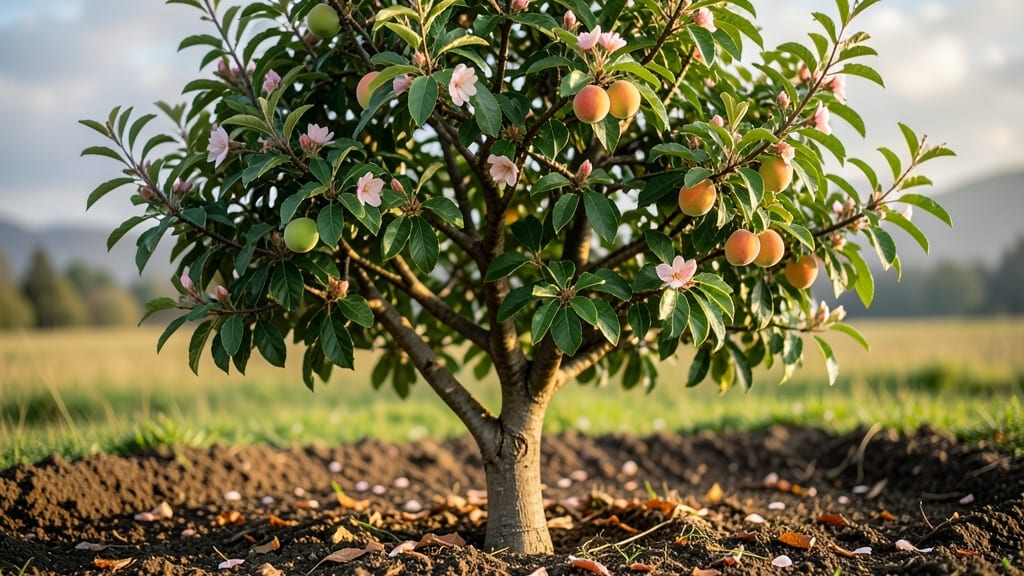
The peach tree cycle isn’t just about fruit—it’s a rhythm of dormancy, bloom, and harvest that dictates when you prune, fertilize, or even worry about pests. 🌸 I’ve watched my tree go from bare branches in winter to a blushing canopy of blossoms, and knowing this cycle means I never miss a critical step.
The first cut happens in late winter, right as buds swell but before they burst, and that’s when you shape the tree for the year ahead.
Spring brings the most delicate work: pruning after bloom but before fruit sets, so you don’t sacrifice next year’s harvest. Summer’s all about monitoring—thinning fruit to prevent overburdening branches, watching for peach tree borers, and keeping the soil moist but not soggy.
Then comes fall, when you harvest (or let birds get first pick) and do your final light pruning to clean up and prep for winter’s rest.
You’ll end up with trees that bear consistently sweeter, larger peaches—and fewer surprises like rot or pests. The key is matching your tasks to the tree’s natural phases, not a calendar.
In colder zones (like mine in 6b), dormancy lasts longer; in warmer climates, you might prune twice a year. Either way, the cycle keeps your tree thriving.
Here’s the secret: prune at the right time, and the tree does the rest. The branches know when to push new growth, when to hold back, and when to focus energy on fruit. Pay attention, and your peach tree will reward you with years of golden harvests—no guesswork required.
📚 In This Guide
- What you need
- Instructions
- Tips and common mistakes
- Wrapping up and next steps
What you need
- ● Pruning shears: Bypass pruners (sharp, 6-8" blades) for small branches.
- ● Loppers: 18-24" long for medium branches (1-2" thick).
- ● Pruning saw: Curved-tooth saw for thick branches (2" or larger).
- ● Disinfectant: 70% isopropyl alcohol or 10% bleach solution (1 part bleach to 9 parts water) for sterilizing tools between cuts.
- ● Rubbing alcohol or hand sanitizer: For cleaning hands before and after pruning.
- ● Heavy-duty gloves: Cut-resistant gloves (e.g., leather or Kevlar) to protect hands.
- ○ Pruning sealant: Optional but helpful for larger cuts (e.g., wound dressing or tree paint).
- ● Bucket or bag: For collecting pruned branches (5-gallon bucket or sturdy trash bag).
- ● Ladder or step stool: Sturdy and tall enough to reach the tree’s canopy safely (ensure it’s rated for your weight).
- ● Notebook & pencil: To record cuts, notes, or a pruning map of the tree.
- ● Extension pole pruners: For high branches (16-20' reach).
- ● Tree pruning rope: To secure branches during heavy pruning (e.g., for large limbs).
- ● Compost bin or mulch: To recycle pruned branches into nutrient-rich compost.
- ● Safety goggles: To protect eyes from debris.
- ● First-aid kit: Just in case of minor cuts or scrapes.
- ● Camera or phone: To document your tree’s progress before/after pruning.
Step-by-Step guide to pruning your peach tree seasonally
Here’s the straightforward approach I’ve used for years to keep peach trees healthy and productive.
✂️ Step 1: Late Winter Pruning for Structure and Airflow
Prune your peach tree in late winter—just as buds begin to swell but before new growth starts. This is when the tree is dormant, so it won’t bleed sap excessively. Start by removing dead, diseased, or crossing branches first. These are easy to spot—they’re either brown and brittle or rubbing against other branches.
Next, thin out the canopy by cutting back overcrowded branches to improve airflow. Aim to keep the center of the tree open, allowing sunlight to reach the inner branches. I like to step back every few cuts and visualize how the tree will look with full foliage—this helps avoid over-pruning. Use clean, sharp pruners to make cuts just outside the branch collar (the swollen area where the branch meets the trunk).
☀️ Step 2: Summer Pruning to Control Growth and Shape
After the tree flowers but before it sets fruit, do a light pruning in early summer to control growth and shape. Focus on removing suckers (shoots growing from the base or roots) and any water sprouts (fast-growing vertical shoots). These compete with fruit-bearing branches for energy.
Also, trim back any branches that are growing too vigorously or are shading the center of the tree. You’ll notice these as long, leggy growths with few leaves. Cut them back to a lateral branch or bud. This step keeps the tree balanced and encourages stronger fruit production. Avoid heavy pruning now—just light shaping to avoid stressing the tree as it fruits.
✂️ Step 3: Post-Harvest Pruning for Cleanup and Preparation
Once you’ve harvested your peaches, do a final light pruning in late summer or early fall. Remove any branches that produced poor-quality fruit or showed signs of disease (like brown spots or curled leaves). Also, trim back any dead or broken branches that may have formed during the growing season.
This is also the time to thin out overcrowded fruit clusters if you missed it earlier. Leave only the largest, healthiest peaches on each branch, spacing them about 6 inches apart. This ensures the remaining fruit gets enough sunlight and nutrients to grow large and sweet. Avoid heavy pruning now—just tidy up to prepare the tree for dormancy.
⏰ Step 4: Dormant Season Maintenance (Optional Light Trimming)
If your tree needs minor adjustments, do a quick check in late fall or early winter before the ground freezes. Remove any remaining deadwood or branches that didn’t get trimmed earlier. This keeps the tree clean and reduces the risk of pests or disease overwintering.
I also like to rake up and dispose of fallen leaves and debris around the base of the tree. This helps prevent fungal diseases from taking hold in the spring. If you notice any sucker growth starting at the base, snip it off now—it’s easier to manage before it gets established. This step is optional but helps keep the tree in top shape for next year’s cycle.
Tips & tricks for perfect peach tree pruning
Here's what nobody tells you about keeping your peach tree thriving through every season.
Timing is Everything: Late winter pruning in Step 1 is critical because that's when your tree is fully dormant but just starting to wake up. I've learned the hard way that pruning too early risks frost damage to fresh cuts, while waiting too long means you'll be cutting into new growth. Look for those swollen buds that haven't yet opened—that's your perfect window. The key is to finish before active growth begins, which varies by climate but is typically 2-4 weeks before last frost.
The Branch Collar Secret: When making cuts in Step 1, focus on cutting just outside the branch collar—the swollen area where the branch meets the trunk. This is where healing tissues form naturally. I used to make clean cuts at the trunk, which led to wounds that took forever to heal and sometimes attracted pests. Always cut at a slight angle just beyond this collar to prevent water from pooling in the wound. This simple technique makes all the difference in tree recovery.
Summer Pruning Insight: During the early summer pruning in Step 2, pay special attention to those water sprouts—the fast-growing vertical shoots. These might look like they're helping, but they're actually stealing energy from your fruit production. I've seen trees with beautiful foliage but tiny, tart peaches because of these energy vampires. Cut them back to a lateral branch or bud, and you'll notice bigger, sweeter fruit next season.
Post-Harvest Cleanup: In Step 3, when you're thinning out those overcrowded fruit clusters, don't just grab any peach. Look for the largest, healthiest ones with good color and shape. I've found that spacing them about 6 inches apart gives each fruit room to grow without competing for sunlight and nutrients. This might seem like a lot of work, but it pays off with fewer, larger, and more flavorful peaches. Plus, it makes harvesting so much easier!
Pro Tips for Peach Tree Cycle
- Here's what nobody tells you about keeping your peach tree thriving through every season.
- Timing is Everything: Late winter pruning in Step 1 is critical because that's when your tree is fully dormant but just starting to wake up.
- The Branch Collar Secret: When making cuts in Step 1, focus on cutting just outside the branch collar—the swollen area where the branch meets the trunk.
Frequently asked questions
Got questions about your peach tree’s pruning cycle? You’re not alone! Here’s a quick roundup of the most common concerns—plus expert answers to keep your tree thriving and fruiting like a pro.
When is the best time to prune a peach tree?
The ideal window is late winter to early spring (just before buds swell but before leaves emerge). This timing promotes vigorous growth and minimizes disease risk. Avoid pruning in fall—it can leave wounds vulnerable to fungal infections. Pro tip: If you must prune in summer, do it early and remove only dead/diseased wood.
How often should I prune my peach tree?
Young trees (1–3 years) need annual pruning to establish structure, while mature trees (4+ years) can be pruned every 2–3 years. Focus on corrective pruning (removing dead, crossing, or overcrowded branches) in early spring, then do a light maintenance trim in summer to improve airflow. Think of it like a haircut—regular upkeep keeps your tree healthy and productive!
Can I prune a peach tree in summer?
Yes, but strategically! Light summer pruning (after harvest) helps control size, improve fruit quality, and reduce disease. Avoid heavy cuts—stick to removing only suckers, water sprouts, or branches rubbing together. Wait until the heat subsides (early morning or late afternoon) to prevent stressing the tree.
Will pruning reduce my peach harvest?
Not if done right! Pruning increases fruit quality and yield by directing energy to healthy branches. Over-pruning (removing >25% of foliage) can temporarily reduce harvests, but proper techniques (like thinning out crowded branches) boost airflow and sunlight—key for sweet, juicy peaches. Aim for an open-center shape to maximize sunlight exposure.
Why are my peach tree’s branches dying after pruning?
Dead branches often signal bacterial canker or root rot, especially if cuts were made too late (fall/winter) or with dirty tools. Always sterilize pruners with rubbing alcohol, avoid wounding bark, and prune during dormancy. If branches die post-pruning, check for signs of oozing sap, cankers, or fungal growth—treat with copper fungicide if needed.
Wrapping up and next steps
Understanding the peach tree cycle and mastering seasonal pruning is your ticket to a bountiful harvest and a thriving orchard! 🌱 By trimming at the right times—winter for structure, early spring for shape, and summer for growth—you’ll boost fruit quality, airflow, and tree health.
Remember, patience and consistency are key, but the rewards are so sweet.
Ready to put your new skills into action? Start small: pick one tree this season, follow the steps, and watch your confidence—and your peach yield—grow! 🍑✨