
Trees
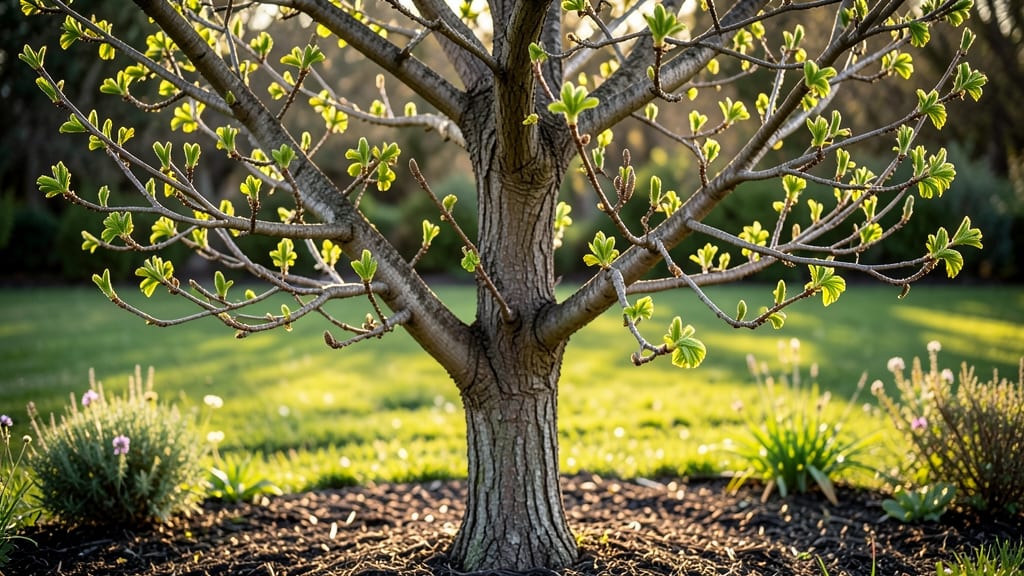
Spring is when your pecan tree wakes up from winter dormancy—and the right moves now set the stage for a bountiful harvest by fall.
I’ve pruned my own trees for years, and the difference between a healthy, productive tree and one struggling with disease or weak growth comes down to timing, technique, and a few key adjustments only spring can offer.
The first flush of new growth appears in late March or April, signaling it’s time to sharpen your pruners and get to work.
Start by removing dead, diseased, or crossing branches—they’re the first to show up after winter’s chill. Aim for clean cuts just outside the branch collar, and don’t overdo it: pecans are heavy feeders, and pruning more than 20-25% of the canopy at once stresses the tree.
After pruning, spread a 2-3 inch layer of mulch around the base (but keep it away from the trunk) to retain moisture and regulate soil temperature as roots wake up.
What you’ll end up with is a tree that thrives through summer’s heat and resists pests like pecan weevils and aphids.
The new growth will be vibrant green and sturdy, and by midsummer, you’ll see those telltale male catkins (the fuzzy, dangling flowers) that precede the female blooms where nuts form. The payoff? A stronger tree that produces more nuts and handles stress better in future seasons.
This works for both young trees and mature ones—just scale the effort. If you’re in a hot climate, water deeply once a week after pruning to help the tree recover.
And here’s the secret: pecans hate wet feet, so avoid overwatering or letting mulch pile up against the trunk. Now grab those pruners and let’s get growing!
📚 In This Guide
- What you need
- Instructions
- Tips and common mistakes
- Wrapping up and next steps
What you need
- ● Pruning shears – Bypass-type (sharp, 6-8" blades) for clean cuts. Quantity: 1 pair.
- ● Loppers – Bypass or anvil-type (8-12" blades) for thicker branches. Quantity: 1 pair.
- ● Pruning saw – Curved-tooth blade for branches >1.5" thick. Quantity: 1.
- ● Ladder – Sturdy, extendable (12-16 ft tall) for high branches. Quantity: 1.
- ● Gloves – Heavy-duty, cut-resistant (e.g., leather or synthetic). Quantity: 1 pair.
- ● Disinfectant – 70% isopropyl alcohol or bleach solution (1:9 bleach:water) to sterilize tools. Quantity: Small bottle or spray.
- ○ Pruning sealant – Optional but recommended for large cuts (>0.5"). Quantity: Small tube.
- ● Trash bags – Heavy-duty for debris. Quantity: 2-3.
- ● Watering can or hose – For post-pruning hydration.
- ● Tree wound paint – For aesthetic appeal (not essential for healing).
- ● Marking twine or flags – To tag branches for future reference.
- ● Work boots – For stability on uneven ground.
- ● Safety glasses – To protect from debris.
- ● Notebook & pen – To sketch your tree’s structure before pruning.
Step-by-Step guide to revitalizing your pecan tree in spring
Spring is your chance to breathe new life into your pecan tree—here’s how to prune, fertilize, and set it up for a bountiful harvest.
🌱 Step 1: Inspect and Plan Your Pruning Strategy
Start by examining your pecan tree for dead, diseased, or crossing branches. Grab a pair of sharp pruning shears and a small saw for thicker limbs. Focus on removing any branches that are rubbing against each other, as these create wounds that invite pests and disease. Look for branches with no leaves or brown, brittle wood—these are dead and should be cut back to healthy growth.
Mark the branches you’ll remove with a piece of twine or tape to avoid over-pruning. Pecan trees thrive when they have an open canopy, so aim to remove up to 25% of the tree’s foliage in a single session. This encourages better air circulation and sunlight penetration, which is crucial for fruit production. Avoid cutting back more than one-third of the tree’s height in a year, as this stresses the tree.
✂️ Step 2: Prune for Shape and Health
Use your pruning shears to make clean cuts just outside the branch collar—the swollen area where the branch meets the trunk. This ensures the wound heals properly and reduces the risk of infection. For larger branches over 2 inches thick, use a saw and make the cut on the underside of the branch to prevent bark from tearing. Always cut at a 45-degree angle to allow water to run off.
Shape the tree by thinning out the center to improve light exposure. Remove any suckers—those vigorous shoots sprouting from the base or along the trunk—as they compete with the main structure for nutrients. Here’s the thing: pecan trees grow fast, so prune during dormant season (late winter to early spring) to minimize stress. The goal is to create a balanced, open canopy that lets sunlight reach all parts of the tree.
💧 Step 3: Fertilize and Mulch for Spring Growth
After pruning, spread a 2-3 inch layer of mulch around the base of the tree, keeping it 6 inches away from the trunk to prevent rot. Use organic mulch like wood chips or straw, which improves soil moisture and suppresses weeds. Avoid piling mulch against the trunk, as this can trap moisture and lead to disease.
Apply a balanced fertilizer (like 10-10-10 or 8-8-8) in early spring, following the package instructions for your tree’s age and size. Younger trees need less fertilizer—start with ½ pound per inch of trunk diameter. Water the tree deeply after fertilizing to help nutrients absorb into the soil. You’ll see new growth within 4-6 weeks, signaling the tree is thriving.
☀️ Step 4: Monitor for Pests and Early Signs of Stress
Keep an eye out for common pecan pests like aphids, scale insects, or pecan weevils, which can damage new leaves and buds. If you spot any, treat with neem oil or insecticidal soap early in the season before populations explode. Healthy trees are more resilient, so focus on maintaining proper watering—1-2 inches of water per week during dry spells.
Watch for signs of stress, like yellowing leaves or stunted growth, which could indicate nutrient deficiencies or overwatering. Pecan trees are drought-tolerant once established, so let the soil dry out between waterings. If the tree looks weak, a soil test can help identify specific nutrient needs. Real talk: pecan trees are low-maintenance, but spring is the best time to address any issues before the growing season kicks into high gear.
Tips & tricks for perfect pecan tree spring revival
Here's what nobody tells you about making spring the best season for your pecan tree—these little details make all the difference.
Pruning Precision: When removing branches in Step 1, look for the "branch collar"—that swollen ridge where the branch meets the trunk. Cut just outside this collar, never flush with it, or you'll create an open wound that invites disease. For branches thicker than 2 inches, make your cut on the underside to prevent bark from tearing as you saw. This might seem like a small detail, but it's what separates a tree that heals properly from one that struggles for years.
Mulch Placement Matters: That 2-3 inch layer of mulch in Step 3 should form a doughnut shape around your tree, starting 6 inches from the trunk. Too close and you'll suffocate the roots; too far out and you won't protect the soil from drying. I've seen people pile mulch right against the trunk—don't make that mistake. And here's a bonus: use wood chips rather than fresh grass clippings, which can mat down and prevent water penetration.
Fertilizer Timing: The 4-6 week window mentioned for seeing new growth after fertilizing is your best indicator that you're on the right track. If you don't see any new shoots by then, your tree might need a soil test to check pH levels. Pecan trees prefer slightly acidic soil (pH 6.0-7.0), and if your soil is too alkaline, even the right fertilizer won't work properly. This is especially important if you live in areas with naturally alkaline soils.
Pest Prevention: In Step 4, when you're checking for pests, pay special attention to the undersides of leaves—this is where aphids and scale insects love to hide. A quick spray with neem oil every 2 weeks during early spring can prevent infestations before they become unmanageable. I've had to treat trees that looked fine from above but had entire colonies of pests hiding underneath. Don't skip this step if you want to avoid a full-blown pest battle later in the season.
Pro Tips for Pecan Tree In Spring
- Here's what nobody tells you about making spring the best season for your pecan tree—these little details make all the difference.
- Pruning Precision: When removing branches in Step 1, look for the "branch collar"—that swollen ridge where the branch meets the trunk.
- Mulch Placement Matters: That 2-3 inch layer of mulch in Step 3 should form a doughnut shape around your tree, starting 6 inches from the trunk.
Frequently asked questions
Got questions about your pecan tree’s spring revival? You’re not alone! Here are answers to the most common concerns—from pruning puzzles to seasonal surprises.
When is the best time to prune a pecan tree in spring?
Prune your pecan tree before bud break (early to mid-spring) for best results. Avoid pruning during active bloom (late winter/early spring) to prevent stress. Late spring pruning (after harvest) is also safe but less ideal. Pro tip: Wait until the tree’s sap slows down (after leaf-out) for cleaner cuts!
Why are my pecan tree leaves yellowing in spring?
Yellowing leaves often signal nutrient deficiencies (like zinc or iron) or overwatering. Check soil moisture—pecans hate soggy roots! Test soil pH (ideal: 6.0–7.5) and fertilize with a balanced formula (e.g., 10-10-10) in early spring. Watch for: fungal issues (like pecan scab) if yellowing pairs with black spots.
Can I prune a pecan tree too much in spring?
Yes! Over-pruning stresses the tree, reducing next year’s crop and inviting pests. Rule of thumb: Remove no more than 25% of the canopy in one season. Focus on dead wood, crossing branches, and water sprouts—avoid “topping” (cutting the main trunk). Pro tip: Use sharp tools to make clean cuts at branch collars.
What if my pecan tree isn’t blooming in spring?
Lack of blooms can stem from young age (pecans take 5–10 years to fruit), poor nutrition, or environmental stress (drought, frost). Ensure full sun (6+ hours/day) and consistent watering. Apply zinc sulfate (per package instructions) if deficiency is suspected. Patience! Some varieties bloom later—check your tree’s type.
Are there alternative trees to pecans for spring pruning?
If pecans feel high-maintenance, consider persimmons, walnuts, or hickories—they share similar pruning needs but may be easier for beginners. Fruitless mulberries or ornamental pecan hybrids (like ‘Desirable’) offer lower hassle with comparable spring care. Key difference: Pecans are sensitive to over-pruning—opt for slower-growing alternatives if time is tight.
Wrapping up and next steps
Spring is the perfect time to revive your pecan tree’s beauty and productivity—whether you’re trimming dead branches, encouraging blooms, or simply admiring its fresh foliage. 🌿 With the right pruning techniques and a little TLC, your tree will thrive for seasons to come.
Now that you’re armed with the secrets to spring pruning, there’s no better moment to roll up your sleeves and get started!
Ready to transform your pecan tree into a flourishing centerpiece? Grab your tools, follow your plan, and watch your efforts bloom! For extra inspiration, check out our guide on seasonal tree care—your tree’s next chapter starts today.