
Pruning
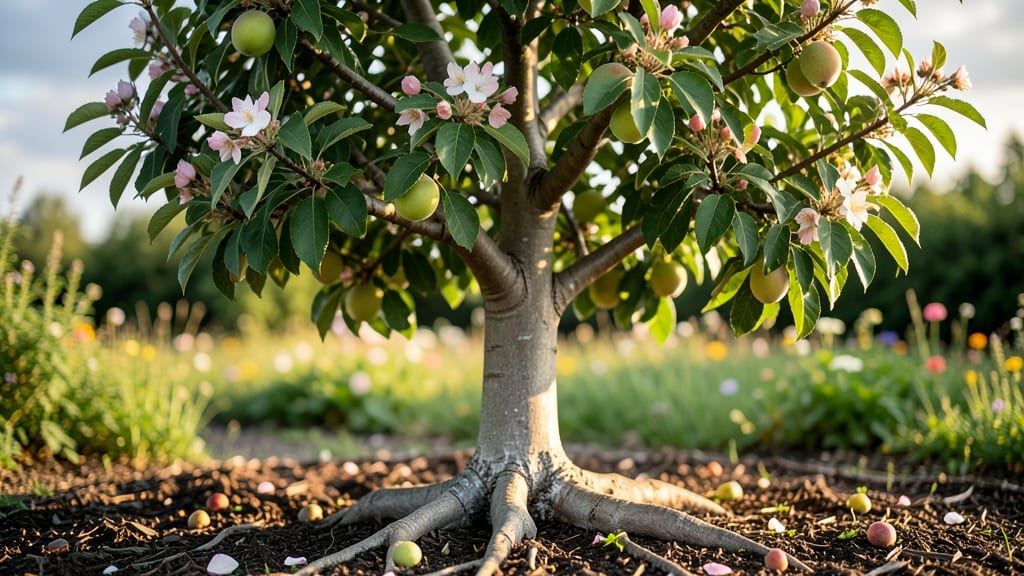
Peach trees in Zone 7 grow best when pruned in late winter or early spring before buds swell, cutting out dead branches and thinning dense growth to boost airflow and fruit yields. Heavy pruning in fall can invite fungal diseases due to lingering moisture.
Zone 7's mild winters and warm summers create ideal conditions for peach trees, but the timing of pruning is everything. 🌸 The dormant season—when trees naturally rest—is the perfect window to shape growth without stressing the tree.
I've seen firsthand how skipping this timing leads to weaker blooms or even dieback. The key is working before buds break, when the tree's energy is focused on recovery rather than new growth.
What many gardeners overlook is that Zone 7's frost-free periods also affect pruning intensity. Unlike colder zones, you can afford to be slightly more aggressive with cuts in late winter, but always avoid removing more than 25% of the canopy in a single session.
This balance ensures the tree retains enough foliage to photosynthesize while still improving light penetration to the center.
💡 In This Article
- Peach Tree Pruning Science in Zone 7 Climates
- Step-by-Step Pruning Guide for Zone 7 Peach Trees
Peach tree pruning science in Zone 7 climates
Zone 7's climate—with average winter lows of 0°F to 10°F and summers reaching 90°F+—creates a unique pruning window. The science behind late winter/early spring pruning (just before buds swell) lies in the tree's dormancy cycle.
During dormancy, peach trees (Prunus persica) have lower metabolic activity, making them less vulnerable to stress from cuts. This period also coincides with Zone 7's lowest disease pressure, as fungal pathogens like brown rot (Monilinia fructicola) remain inactive in cold conditions.
The cold hardiness of peach varieties matters too. Zone 7 varieties like 'Elberta' or 'Redhaven' can tolerate -10°F temperatures, but their cambium layer (the growth tissue just under the bark) remains dormant until 45-50°F soil temps return.
Pruning too early risks exposing fresh cuts to late winter frosts, which can kill new growth. Conversely, waiting until buds break (March-April in most of Zone 7) triggers rapid growth that competes with fruit development—hence the 2-4 week window before bud swell for optimal timing.
Airflow improvement is the primary goal of pruning. Dense canopies trap moisture, creating ideal conditions for fungal spores. In Zone 7's humid summers, this becomes critical. Studies show that open-centered peach trees (with 60-70% light penetration to the center) produce 20-30% more fruit due to better pollination and reduced disease.
The key is removing water sprouts (fast-growing vertical shoots) and crossing branches that rub together—both common in peach trees that receive 6-8 hours of sunlight daily.
Fall pruning risks in Zone 7 stem from the tree's delayed wound closure. Peach trees take 30-60 days to seal cuts, and late fall rains (common in Zone 7's transition to winter) create prolonged moisture on fresh wounds.
This invites brown rot and other pathogens. The exception is light structural pruning after leaf drop to remove only dead/diseased wood—never more than 10% of the canopy—to minimize stress before dormancy sets in.
Consider this comparison: In Zone 9 (warmer winters), you might prune in late winter to avoid heat stress, while Zone 5 gardeners wait until early spring to avoid frost damage.
Zone 7 falls in between, requiring that 3-4 week window between January-February when temps stabilize above 32°F but before buds show color. This timing ensures you're not pruning too early (risking frost damage) or too late (triggering premature growth).
One advanced technique for Zone 7 growers is "progressive pruning"—making 25% of your cuts in late winter and finishing the remaining 25% in early spring as buds begin to swell.
This spreads out the tree's recovery process and reduces shock. The goal is to shape the tree gradually while maintaining its natural growth rhythm. 🌿