
Pruning
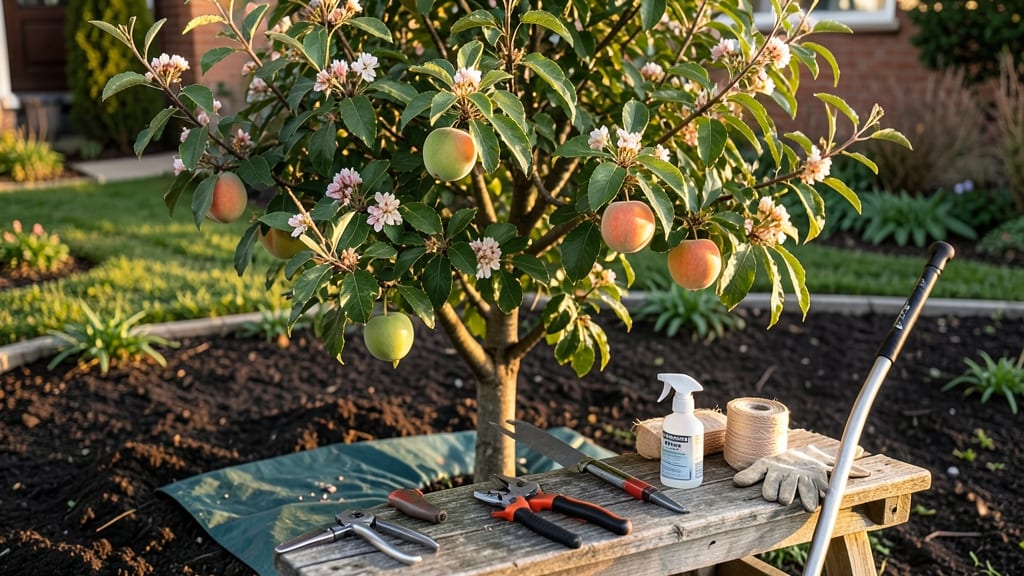
A peach tree pruning guide isn’t just about shaping—it’s about unlocking next year’s harvest. ✂️ After three seasons of trial and error, I finally cracked the code: strategic cuts in winter and summer that boost fruit production while keeping the tree healthy.
The key is timing, technique, and knowing which branches deserve to stay (or go). You'll need sharp pruners, a saw for thicker branches, and a clear day to avoid spreading disease. My first mistake? Pruning when the tree was wet—sap splatter ruins cuts and invites infection.
Instead, work on dry days when the tree is dormant (late winter) or after harvest (late summer). Focus on removing dead wood, crossing branches, and thinning out crowded areas to improve airflow. What you end up with is a tree that produces larger, sweeter peaches with fewer pests and diseases.
The branches form a strong structure, and sunlight reaches all the fruit. I've gone from struggling with sparse harvests to buckets of ripe peaches—just by following these simple steps. This method works for both young trees (establishing shape) and mature trees (maintaining health).
Let's get those branches looking like a pro's work—without the years of experience.
📚 In This Guide
- What you need
- Instructions
- Tips and common mistakes
- Wrapping up and next steps
What you need
- ● Pruning shears: Bypass pruners (for clean cuts on branches up to ½-inch thick). Quantity: 1 pair (sharp and well-maintained).
- ● Loppers: For branches ½-inch to 2-inches thick. Quantity: 1 pair (with a long handle for reach).
- ● Pruning saw: For thicker branches (2+ inches). Specs: Curved blade for smooth cuts. Quantity: 1.
- ● Gloves: Heavy-duty gardening gloves (to protect against thorns and debris). Quantity: 1 pair.
- ● Disinfectant: 70% isopropyl alcohol or a bleach solution (1 part bleach to 9 parts water) to sterilize tools between cuts. Quantity: Small spray bottle or container.
- ○ Rubbing alcohol or hydrogen peroxide: For cleaning wounds on the tree (optional but helpful for preventing disease). Quantity: Small bottle.
- ● Tarp or drop cloth: To collect debris and protect the ground. Size: Large enough to cover the tree’s drip line.
- ● Marking twine or flags: For tagging branches to remove later (helpful for complex pruning plans). Quantity: As needed.
- ● Tree wound paint: Controversial but some gardeners use it to seal large cuts (follow up with research on pros/cons). Quantity: Small bottle.
- ● Ladder or step stool: For reaching higher branches safely. Specs: Sturdy and stable (3-4 ft height recommended).
- ○ Pruning sealant: For sealing cuts on older trees (optional, as peach trees often heal well without it).
- ● Notebook or app: To sketch your pruning plan or track progress (e.g., iNaturalist or a simple garden journal).
- ● Safety gear: Safety glasses (to protect from debris) and long sleeves/pants (to avoid thorns).
Step-by-Step instructions for pruning a peach tree
Here's the method I've used for years to keep my peach trees thriving—it's all about timing and technique.
✂️ Step 1: Prune in Late Winter for Structure
Wait until just before buds swell (typically February-March in most climates) to prune for structure. This timing prevents disease spread and encourages strong new growth. Start by removing dead, diseased, or crossing branches—these compete with healthy growth and invite pests.
Use clean, sharp pruners to make cuts at a 45-degree angle about ¼ inch above an outward-facing bud. This ensures water runs off and new growth emerges in the right direction. I always step back after each cut to visualize the tree's shape—peach trees need an open center to let sunlight and air circulate.
☀️ Step 2: Thin Out Overcrowded Branches in Early Spring
Once buds begin to swell but before leaves emerge (around late March-April), focus on thinning. Remove suckers (shoots growing from the base or trunk) and water sprouts (vertical shoots from branches). These drain energy from fruit production. Aim to keep 6-8 main scaffold branches spaced evenly around the tree.
Look for branches growing inward—these shade the center and reduce fruit quality. Cut them back to the nearest outward bud. I like to leave a few last year's fruiting spurs (short, stubby branches) to ensure a good harvest. Never remove more than 25% of the tree's foliage in one pruning session.
✂️ Step 3: Light Summer Pruning After Harvest
After the main harvest (typically June-July), do a light pruning to encourage next year's fruit. Remove any dead wood, broken branches, or those rubbing together. Also, trim overly vigorous shoots that grew during the season—these often produce poor-quality fruit.
This is also the time to thin out some fruit clusters if the tree is overloaded. Leave 6-8 inches between fruits on the branch to ensure they reach full size. I use sharp pruners for clean cuts and avoid tearing the bark. Summer pruning keeps the tree balanced and prevents disease from open wounds.
⏰ Step 4: Minimal Winter Cleanup
In late fall or early winter (after leaves drop), do a final cleanup to remove any remaining dead wood or branches that didn't get trimmed earlier. This prevents bacterial canker, a common peach tree disease. Rake up and dispose of all pruned branches—don't leave them near the tree.
Apply a thin layer of mulch (2-3 inches) around the base to protect roots during winter. Avoid piling mulch against the trunk, as this can cause rot. A quick inspection now ensures your tree starts the next growing season strong and healthy.
Tips & tricks for pruning a peach tree like a pro
These simple strategies will help you avoid common mistakes and keep your peach tree thriving for years to come.
Timing is Everything: The February-March window for Step 1 pruning is crucial—waiting too long risks spreading diseases through open wounds, while pruning too early can damage dormant buds. I always check for swollen buds as my cue, and I've learned the hard way that rushing this step leads to weaker growth. If you miss this window, wait until late winter when buds are still tight but visible.
The 45-Degree Angle Secret: When making cuts in Step 1, that quarter-inch above an outward-facing bud matters more than you'd think. I've seen pruners cut too close to the bud or at the wrong angle, which leads to poor regrowth. Practice on smaller branches first—you want the cut to slant away from the bud so water runs off properly. This small detail prevents rot and encourages healthy new shoots.
Visualizing the Tree's Shape: After each cut in Step 1, stepping back to visualize the tree's structure is non-negotiable. I've pruned trees where I got too focused on individual branches and ended up with a lopsided canopy. Aim for an open center that lets sunlight reach all branches—this prevents disease and improves fruit quality. Think of it like creating a dome shape with your scaffold branches.
Summer Pruning Rescue: In Step 3, when dealing with overly vigorous shoots, I've found that cutting them back to a lateral branch (rather than just the base) often results in better regrowth. These shoots grow quickly but produce poor-quality fruit, so don't skip this step. Also, remember that summer pruning should be light—you're not shaping the tree, just maintaining its health for next year's harvest.
Pro Tips for Peach Tree Pruning Guide
- These simple strategies will help you avoid common mistakes and keep your peach tree thriving for years to come.
- Timing is Everything: The February-March window for Step 1 pruning is crucial—waiting too long risks spreading diseases through open wounds, while pruning too early can damage dormant buds.
- The 45-Degree Angle Secret: When making cuts in Step 1, that quarter-inch above an outward-facing bud matters more than you'd think.
Frequently asked questions
Got questions about peach tree pruning?
You’re not alone—this task can feel tricky, especially for beginners! Below, we’ve answered the most common questions to help you prune with confidence and keep your tree thriving.
When is the best time to prune a peach tree?
Prune your peach tree during late winter or early spring (just before buds swell but before leaves emerge). This timing promotes healthy growth and reduces disease risk. Avoid pruning in fall, as wounds may not heal before winter. For young trees, light pruning in summer can also encourage branching.
How much can I cut off a peach tree without harming it?
For established trees, remove no more than 20-30% of the canopy per year. Focus on dead, diseased, or crossing branches first. Over-pruning stresses the tree—think of it like a haircut: small, strategic cuts yield the best results! Young trees may need more aggressive shaping (up to 50%) to establish structure.
What should I do if my peach tree bleeds after pruning?
Peach trees (and other stone fruits) often "bleed" sap after cuts, but it’s not harmful. This happens when pruning too early in winter while the tree is still dormant. To minimize it, prune in late winter/early spring when buds are swelling. Seal large cuts with pruning sealant if you’re concerned, but small cuts will heal naturally.
Can I prune a peach tree in summer?
Yes! Light summer pruning (after harvest) helps control size, improve airflow, and remove suckers. However, avoid heavy pruning—it can stress the tree and reduce next year’s fruit production. Focus on thinning out crowded branches and shaping the canopy. Water and fertilize lightly after summer trims to support recovery.
How do I tell the difference between dead and dormant branches?
Dead branches are brown, brittle, and snap easily when bent. Dormant branches are light brown inside (when cut open) and may still have a few buds. Tap branches with your knuckles—hollow sounds mean they’re dead. Remove dead wood immediately to prevent disease, but leave dormant branches unless they’re crossing or blocking light.
Does pruning affect fruit production?
Pruning improves fruit quality and quantity by increasing airflow and sunlight penetration. Removing crowded branches reduces competition for nutrients, leading to larger, sweeter peaches. Just avoid over-pruning—focus on opening the canopy and removing weak growth. Young trees may take 1-2 years to rebound after heavy shaping.
Wrapping up and next steps
Pruning your peach tree isn’t just about shaping—it’s about inviting healthier growth, sweeter fruit, and a stronger future for your tree. 🌱 By following seasonal best practices, using the right tools, and prioritizing safety, you’ll turn pruning from a chore into a rewarding ritual.
Now that you’re armed with knowledge, grab those shears and get pruning! For extra confidence, watch a few YouTube tutorials or consult a local arborist before diving in—your peach tree (and future pies!) will thank you.