
Trees
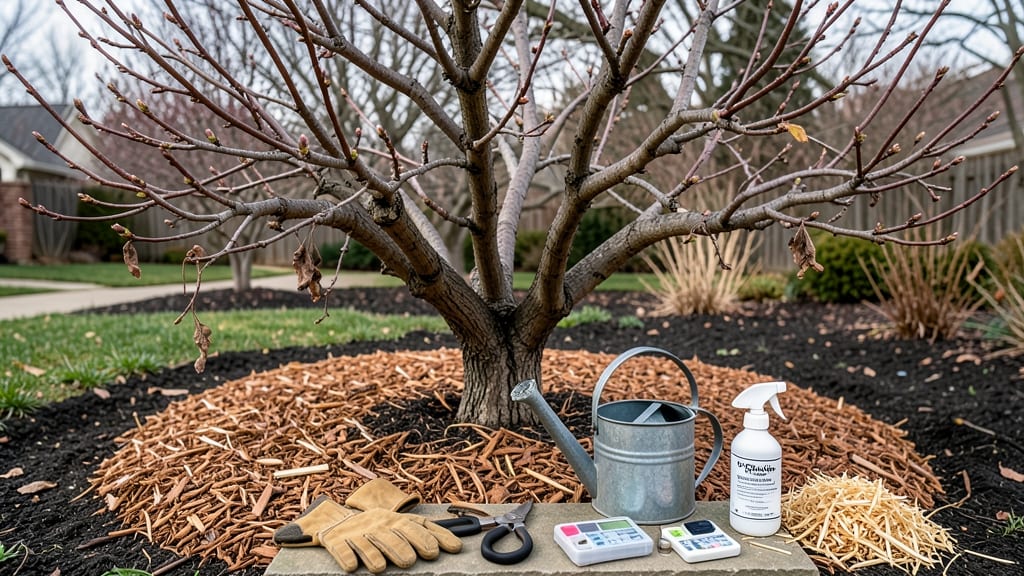
When the peach tree lost all leaves overnight, panic sets in—but root rot might be the culprit. 🌱 I’ve seen this happen after heavy rains or overzealous watering, and the good news is recovery is possible with the right steps.
The key is acting fast before the tree’s energy reserves drain completely.
First, check the soil: if it smells sour or feels soggy, root rot is likely. Prune any dead branches back to healthy wood, but avoid heavy pruning until new growth appears. A 3-inch layer of mulch helps regulate moisture and temperature while the tree recovers.
You’ll notice fresh leaves within 4-6 weeks if the roots are still alive—just don’t give up if progress is slow. The secret is balance: water deeply but infrequently, and avoid compacted soil that traps moisture. Most trees bounce back with consistent care.
If the trunk feels soft or oozes sap, the damage may be too severe, and it’s time to call an arborist. But in many cases, this rescue method brings peach trees back to life—sometimes even producing fruit the following season.
Root Causes Behind Sudden Leaf Loss
Understanding why your peach tree suddenly shed all its leaves is the first step to saving it. Peach trees are resilient, but rapid defoliation is a distress signal—often triggered by environmental stress, pests, or underlying health issues.
Below, we break down the most common culprits with clear explanations and actionable insights.
Peach trees thrive in USDA Hardiness Zones 5-9, but they’re sensitive to sudden temperature swings—especially when combined with drought or frost. Here’s how it happens:
- Late Frost Damage: Peach trees bloom early, and a late frost (below 28°F) can kill blossoms and emerging leaves, causing the tree to shed foliage as a survival response.
The tree prioritizes root and branch health over leafy growth when stressed. - Heat Stress: Prolonged highs above 95°F (especially with low humidity) lead to transpiration stress, where leaves lose moisture faster than roots can absorb water.
The tree drops leaves to reduce water loss—a protective mechanism called abscission. - Cold Snap Recovery: If your tree survived winter but then faced a sudden sub-freezing dip after budding, the shock can trigger leaf drop as the tree reallocates energy to repair damaged tissue.
💡 Pro Tip: Monitor your local frost-free date and use frost cloth if late frosts are forecasted. For heat stress, mulch heavily (3-4 inches of organic mulch) to regulate soil temperature and retain moisture.
Peach trees hate wet feet. Overwatering—especially in heavy clay soil—creates anaerobic conditions that strangle roots and lead to root rot, a fungal disease caused by Phytophthora or Pythium pathogens.
- Symptoms of Root Rot:
- Leaves yellow, wilt, or drop suddenly (even if soil is moist).
- Roots appear mushy, brown, or black when inspected (healthy roots are firm and white).
- The tree may pull away from the soil easily (a sign of root decay).
- Why It Happens:
- Poor drainage: Clay or compacted soil traps water, suffocating roots.
- Overzealous watering: Watering on a schedule (rather than checking soil moisture) drowns roots.
- Fungal spread: Fungi thrive in soggy soil and spread via water splashes or contaminated tools.
⚠️ Warning Sign: If your tree’s leaves turn yellowish-brown and droop despite wet soil, root rot is likely. Act fast—this condition is often fatal if untreated.
Pests don’t always eat leaves—they can inject toxins, suffocate buds, or disrupt nutrient flow, forcing the tree to shed foliage as a last resort. Common culprits:
| Pest | How It Attacks | Tell-Tale Signs |
|---|---|---|
| Peach Tree Borer | Larvae burrow into trunk and branches, disrupting sap flow. | Sawdust-like frass, oozing sap, wilting. |
| Aphids | Cluster on new growth, sucking sap and injecting a toxin that causes leaves to curl and drop. | Sticky honeydew, curled leaves, ants (which farm aphids). |
| Japanese Beetles | Adults skeletonize leaves (eat tissue between veins), weakening the tree. | Jagged leaf edges, chewed foliage. |
| Scale Insects | Attach to branches, draining sap and leaving a waxy shell. | White/brown bumps on bark, sticky residue. |
🔥 Quick Fix: For aphids and beetles, blast off with a strong hose or use neem oil spray. For borers, prune and burn infested branches immediately.
Peach trees need balanced nutrition to sustain leaves. A sudden deficiency—especially in nitrogen, iron, or magnesium—can cause chlorosis (yellowing) and eventual leaf drop.
- Nitrogen Deficiency (🟡 Yellowing Lower Leaves):
- Why? Nitrogen fuels leaf growth. If soil lacks it (common in sandy soils), leaves turn pale green or yellow from the bottom up.
- Fix: Apply a balanced fertilizer (10-10-10) in early spring, or use composted manure for slow-release nutrients.
- Iron or Magnesium Deficiency (🟡 Yellow Between Veins): - Why? These minerals are crucial for chlorophyll production. Poor soil pH (too alkaline) locks them out. - Fix: Test soil pH—aim for 6.0-7.0.
For iron, use chelated iron supplements; for magnesium, apply Epsom salt (1 tbsp/gallon of water) every 2 weeks.
- Potassium Deficiency (🟤 Brown Leaf Edges):
- Why? Potassium regulates water and disease resistance. Deficiency often follows overwatering or drought stress.
- Fix: Use a potassium-rich fertilizer (like greensand) or wood ash (sparingly).
Peach trees are shallow-rooted, making them vulnerable to physical stress from their surroundings.
- Wind Burn:
- How it happens: Strong winds desiccate leaves (dry them out) by increasing transpiration. Leaves may turn brown and crispy before dropping.
- Fix: Plant windbreaks (like evergreens) or stake young trees to reduce sway.
- Drought Stress: - How it happens: Peach trees need 1-1.5 inches of water weekly (more in heat). Prolonged drought causes leaves to curl and fall to conserve moisture. - Fix: Deep-water (soak soil 6-12 inches down) 2-3 times per week during dry spells.
Use drip irrigation to avoid wetting foliage.
- Soil Compaction:
- How it happens: Heavy foot traffic, machinery, or clay soil restricts root growth, limiting water and nutrient uptake.
- Fix: Aerate soil with a garden fork in early spring. Add compost or gypsum to improve structure.
Diseases like bacterial leaf spot, powdery mildew, or canker can cause rapid defoliation. Here’s how to spot them:
- Bacterial Leaf Spot: - Symptoms: Small, water-soaked spots that turn brown/yellow with a yellow halo. Leaves may drop prematurely. - Cause: Xanthomonas bacteria thrive in wet, humid conditions. - Fix: Prune infected leaves and sterilize tools with rubbing alcohol.
Use copper fungicide as a preventative.
- Powdery Mildew:
- Symptoms: White, powdery coating on leaves, which eventually yellow and drop.
- Cause: Fungal spores spread in shady, humid areas.
- Fix: Improve air circulation (prune dense branches) and spray with baking soda mix (1 tsp baking soda + 1 quart water + a drop of soap).
- Canker Diseases (e.g., Leucostoma or Botryosphaeria):
- Cause: Fungi enter through wounds or weak bark.
- Fix: Prune cankers (sterilize tools!) and seal wounds with pruning paint. Avoid overhead watering.
Revive Your Tree Fast
Now that you know why your peach tree lost its leaves, it’s time to take action! The right approach depends on the root cause—whether it’s root rot, disease, pests, or environmental stress. Below are practical, step-by-step solutions tailored to each issue, plus prevention tips to keep your tree thriving long-term.
If your peach tree is suffering from root rot (often caused by overwatering or poor drainage), act quickly—this is a silent killer.
🔥 Step 1: Stop Watering Immediately
- 💧 Do: Let the soil dry out completely before watering again.
- ❌ Don’t: Water on a schedule—roots need time to recover.
- Pro Tip: Use a moisture meter to check soil moisture before watering.
🍳 Step 2: Improve Drainage
- 🏗️ Dig a shallow trench around the tree (6–12 inches deep) to encourage water runoff.
- 🪴 Amend the soil with sand or perlite (mix 20% into the top 12 inches of soil).
- 🌧️ Raise the tree’s base slightly (if possible) with a mound of gravel or amended soil.
👨🍳 Step 3: Prune Damaged Roots (If Severe)
- ⚠️ Warning: Only do this if the tree is not in active growth (late fall or early spring).
- 🔪 Carefully dig around the root zone and trim soft, mushy roots (healthy roots are firm and white).
- 🧴 Apply a fungicide (like copper fungicide or hydrogen peroxide spray) to prevent further spread.
⏰ Step 4: Monitor & Recover
- 📅 Wait 2–4 weeks before resuming watering (only when the top 2–3 inches of soil are dry).
- 🌿 Watch for new growth—if leaves return in 4–6 weeks, the tree is recovering.
💡 Prevention Tip:
- 🌡️ Water deeply but infrequently (1–2 inches per week, depending on climate).
- 🎯 Plant peach trees on a slope or in raised beds to prevent water pooling.
If leaf spot, powdery mildew, or bacterial blight is the culprit, act fast to prevent defoliation.
🔥 Step 1: Remove Infected Leaves & Debris
- 🗑️ Rake up all fallen leaves and dispose of them in a sealed bag (do not compost).
- ✂️ Prune and destroy any branches with dark spots, lesions, or oily sheen (signs of bacterial infection).
🍳 Step 2: Apply Fungicide
- 🛡️ Use a copper-based fungicide (for bacterial issues) or neem oil (for fungal diseases).
- 🌧️ Spray in the early morning on a dry, windless day (repeat every 7–14 days).
- 💡 Organic option: Mix 1 tsp baking soda + 1 tbsp oil + 1 gallon water for a DIY spray.
👨🍳 Step 3: Improve Air Circulation
- 🌿 Thin out lower branches to allow sunlight and airflow.
- 🌳 Space trees properly (peach trees need 15–20 feet between them).
💡 Prevention Tip:
- ✨ Water at the base (avoid wetting leaves) and prune for airflow.
- 📊 Plant disease-resistant varieties (like ‘Redhaven’ or ‘Elberta’).
If aphids, spider mites, or borers are to blame, here’s how to evict them.
🔥 Step 1: Blast Off Pests with Water
- 💦 Use a strong hose to knock off aphids and spider mites (do this in the early morning).
- 🕷️ For mites: Spray with soapy water (1 tsp mild soap per gallon).
🍳 Step 2: Introduce Beneficial Insects
- 🐞 Ladybugs, lacewings, and parasitic wasps eat aphids and mites naturally.
- 🛒 Buy them online or attract them with neem oil sprays (which repel pests but harm beneficial bugs).
👨🍳 Step 3: Treat Borer Infestations
- 🔪 For peach tree borers:
- 🧴 Apply borax or systemic insecticide (like imidacloprid) to the soil.
- 🌳 Wrap the trunk with tree banding tape to trap emerging adults.
💡 Prevention Tip:
- 🌡️ Keep trees healthy (balanced fertilizer, proper watering) to deter pests.
- 🎯 Inspect trees monthly for early signs of infestation.
If drought, extreme heat, or transplant shock caused leaf loss, these steps will help.
🔥 Step 1: Deep Water & Mulch
- 💧 Water deeply (1–2 inches per week) and mulch heavily (3–4 inches of organic mulch).
- 🌿 Keep mulch away from the trunk to prevent rot.
🍳 Step 2: Provide Shade & Windbreaks
- ☀️ Use shade cloth (30–50%) if temperatures exceed 90°F (32°C).
- 🌬️ Plant a windbreak (like a row of shrubs) if your tree is in a exposed area.
👨🍳 Step 3: Fertilize Gently
- 🌱 Use a balanced fertilizer (10-10-10) lightly in early spring.
- ❌ Avoid high-nitrogen fertilizers—they can stress the tree further.
💡 Prevention Tip:
- 🎯 Choose the right location (full sun, well-draining soil).
- ✨ Gradually acclimate young trees to outdoor conditions if they were potted.
| Issue | Action Taken | Expected Recovery Time |
|---|---|---|
| Root Rot | Improved drainage + pruning | 4–8 weeks |
| Fungal Disease | Fungicide + pruning | 2–4 weeks |
| Pest Infestation | Beneficial insects + sprays | 1–3 weeks |
| Environmental Stress | Mulching + watering | 3–6 weeks |
Final Thought: 🌟 Patience is key—some trees take time to bounce back. If your peach tree shows new leaves or buds within 6–8 weeks, it’s on the mend! If not, consult a local arborist for a second opinion.
Frequently asked questions
Why does my peach tree drop leaves suddenly even when it looks healthy?
Sudden leaf loss can happen due to environmental stress like late frosts (below 28°F) or extreme heat (above 95°F). Peach trees often shed leaves to conserve energy when roots can't keep up with water demands. Check for other signs like wilting branches or bark damage to narrow down the cause.
How can I tell if my peach tree has root rot or just needs water?
Root rot causes leaves to yellow and wilt even when soil feels moist. Dig near the roots—healthy ones are firm and white, while rotten roots are mushy and brown. If the tree pulls easily from the soil, that's a red flag. For thirsty trees, leaves usually droop but recover when watered.
Will my peach tree survive if it loses all leaves in summer?
Yes, but it needs immediate care. Summer leaf loss often signals heat stress or drought. Deep-water the tree (1-2 inches per week) and apply 3-4 inches of mulch to retain moisture. Most trees recover within 4-6 weeks if roots stay healthy. Avoid fertilizing during recovery—focus on hydration first.
What's the fastest way to tell if my tree is dying vs. just dormant?
Check the bark and branches—healthy trees have firm bark that doesn't peel easily. Scratch a small area: if green layers appear, the tree's alive. For dormant trees, leaves may fall but buds remain plump. If branches snap easily and bark is soft, the tree is likely dying.
Can I prune my peach tree when it's completely leafless?
Yes, but wait until late winter or early spring (before buds swell). Remove only dead or diseased branches—never more than 25% of the canopy at once. Avoid heavy pruning now, as the tree needs all its energy for recovery. Sterilize tools with rubbing alcohol to prevent disease spread.