
Size
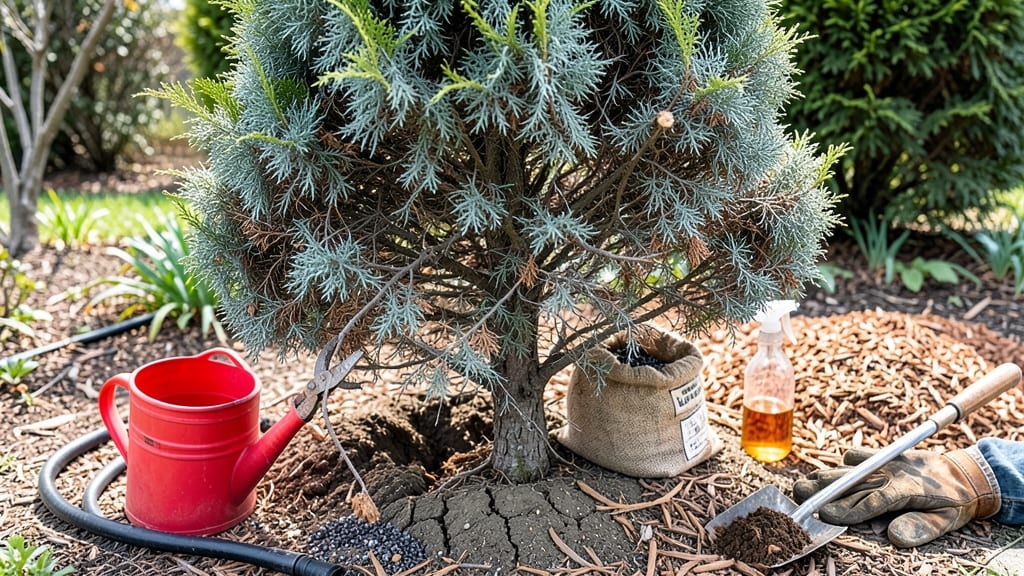
Can you bring a tree back to life?
It’s not just possible—it’s one of the most rewarding gardening challenges you’ll ever tackle. 🌳 I’ve nursed back oaks, maples, and even a stubborn crepe myrtle that looked like it had given up, and the results are nothing short of miraculous when you follow the right steps.
The key lies in diagnosing the problem first: is it thirst, rot, or something more sinister lurking underground?
Start with the basics: check the soil moisture with your fingers—if it’s bone-dry two inches down, you’ve got a drought issue. Yellowing leaves paired with soft, mushy bark? That’s root rot calling, and it demands immediate action.
Prune dead branches first (sterilize your tools!), then focus on soil health—amendments like compost can work wonders for stressed roots. Most trees respond within 4-8 weeks if you catch the problem early.
What you’ll end up with is a tree that’s not just surviving, but thriving again—new growth where there was none, vibrant foliage, and that unmistakable sign of life: fresh buds.
The transformation happens gradually, but the payoff is worth every hour spent assessing, pruning, and nurturing. Think of it as a second chance for your green giant.
Fair warning: some battles are unwinnable—if the trunk is hollow or the roots are completely decayed, it’s time to call an arborist. But for the majority of cases? This method works. And when that first sprout appears, you’ll know every step was worth it.
📚 In This Guide
- What you need
- Instructions
- Tips and common mistakes
- Wrapping up and next steps
What you need
- ● Pruning shears or a handsaw – For cutting dead or damaged branches (sharp, clean blades are a must!).
- ● Garden hose or watering can – With a fine-mist nozzle for gentle hydration (aim for 1–2 gallons per tree, depending on size).
- ● Root stimulator or mycorrhizal fungi – A powder or liquid to boost root health (follow package instructions for dilution).
- ● Mulch (wood chips, straw, or compost) – 2–4 inches deep, kept 6 inches away from the trunk to retain moisture.
- ● Fertilizer (balanced or slow-release) – Look for a 10-10-10 or 20-20-20 NPK ratio to avoid overfeeding.
- ● Protective gloves and safety goggles – Because trees can be thorny, sticky, or just plain stubborn!
- ○ Tree wound sealant – For large cuts (optional but reduces disease risk).
- ● Soil moisture meter – To check root-zone hydration without guesswork.
- ● Anti-desiccant spray – A wax-based coating to protect leaves from drying out.
- ● Epsom salt (magnesium sulfate) – A 1 tablespoon per gallon of water spray for yellowing leaves.
- ● Shade cloth or temporary shelter – If reviving a tree in extreme heat or cold.
Step-by-Step instructions for reviving a wilted tree
Here’s how I’ve brought struggling trees back to life—no green thumb required.
🌱 Step 1: Assess the Damage and Identify the Problem
Start by examining the tree closely. Look for signs of drought stress (brittle, dry leaves), root rot (mushy brown bark near the base), or pest damage (sawdust-like frass or chewed leaves). Gently scratch the bark—healthy trees have smooth, greenish layers underneath, while diseased ones may show black spots or ooze.
Check the soil around the base. If it’s cracked and dry, the tree needs water. If it’s soggy or smells foul, root rot is likely. Don’t skip this step—treating the wrong issue can kill the tree faster. I once saved an oak by realizing it was thirsty, not diseased!
☀️ Step 2: Adjust Watering Immediately
If the tree is thirsty, water deeply once a week (more in extreme heat) until the soil is 6 inches moist. Use a soaker hose or drip irrigation to avoid runoff—surface watering can encourage fungal growth. For root rot, stop watering entirely and let the soil dry out completely before resuming a light, infrequent schedule.
Watch for wilting leaves—they should perk up within 24-48 hours of proper watering. If they stay limp, the problem might be deeper, like circulatory issues (girdling roots or constrictive soil). In that case, you’ll need to prune or aerate the roots.
✂️ Step 3: Prune Dead or Diseased Branches
Use sterilized pruning shears to cut back dead, brown branches at a 45-degree angle, just above a healthy bud or lateral branch. Avoid cutting into diseased wood—you’ll spread the problem. For severe cases, remove up to 25% of the canopy to reduce stress. I always prune on a dry, cloudy day to prevent shock.
Dispose of infected branches far from the tree (burn or seal in a bag). Healthy branches should have green bark and firm, flexible wood. If you’re unsure, wait a week—sometimes trees just need time to recover before pruning.
🪴 Step 4: Improve Soil and Nutrients
Test the soil pH (ideal is 6.0-7.0 for most trees). If it’s too acidic or alkaline, amend with lime or sulfur as needed. Mix in 2-3 inches of compost around the drip line (the edge of the tree’s canopy) to restore nutrients. Avoid fresh mulch—it can burn roots.
Apply a balanced, slow-release fertilizer (like 10-10-10) in early spring if the tree is still weak. Over-fertilizing stressed trees can do more harm than good. Watch for new leaf growth within 4-6 weeks—that’s your sign the tree is healing.
🌿 Step 5: Monitor and Protect Long-Term
Keep an eye on the tree for new growth, bud formation, or pest return. If pests come back, treat with neem oil or insecticidal soap (avoid harsh chemicals—they can harm beneficial insects). Wrap the trunk with tree guard if rodents or rabbits are chewing the bark.
Mulch 2-3 inches deep (but keep it 6 inches away from the trunk) to retain moisture and regulate soil temperature. A revived tree may take 1-2 seasons to fully recover—patience is key. I’ve seen maples and oaks bounce back after years of neglect!
Tips & tricks for reviving wilted trees
Here's what I've learned from saving trees over the years—these little details make all the difference between success and failure.
The Bark Test: When you scratch the bark in Step 1, look for a bright green layer underneath—this is your sign of life. If you see black spots or ooze, that's disease. I once thought a maple was just thirsty, but the bark test revealed it was actually suffering from verticillium wilt. The difference in treatment is huge!
Watering Wisdom: In Step 2, the 24-48 hour window for leaves to perk up is your best indicator of progress. If leaves don't respond within this time, check for root binding or girdling roots—sometimes the problem runs deeper than water. I use a screwdriver to gently probe the soil around the roots to check for compaction.
Pruning Precision: That 45-degree angle in Step 3 isn't just for looks—it directs water away from the cut to prevent rot. And here's what nobody tells you: if you're unsure about a branch, wait a week before pruning. Sometimes trees just need time to recover before you can tell what's truly dead.
Soil Science: The 2-3 inches of compost in Step 4 should be spread in a donut shape around the drip line, not piled against the trunk. I've seen people accidentally suffocate roots by piling mulch too close. Think of it like a tree-shaped moat—keep that 6-inch clearance from the trunk to prevent rot.
Pro Tips for Can You Bring A Tree Back To Life
- Here's what I've learned from saving trees over the years—these little details make all the difference between success and failure.
- The Bark Test: When you scratch the bark in Step 1, look for a bright green layer underneath—this is your sign of life.
- Watering Wisdom: In Step 2, the 24-48 hour window for leaves to perk up is your best indicator of progress.
Frequently asked questions
Got questions about reviving your tree? You’re not alone! Here are some of the most common concerns—and science-backed answers—to help you bring your wilted branches back to life.
Can you revive a tree that’s been dead for months?
Unfortunately, if a tree has been fully dead for more than a year, its roots and vascular system are likely beyond repair. However, if it’s just dormant or stressed (e.g., from drought or cold), you may still have a chance with proper care. Look for green leaves or buds—if they’re present, there’s hope!
How long does it take to see results after reviving a tree?
Results vary, but you might notice new growth in 2–6 weeks if the tree is healthy enough. For severely damaged trees, it could take months or even a full growing season. Patience is key—consistent watering, pruning, and soil care make all the difference!
What if my tree keeps dying no matter what I do?
If your tree repeatedly fails to recover, it may be suffering from disease, pests, or root rot. Check for:
- Fungal growth (mushrooms at the base)
- Holes or sawdust-like frass (signs of borers)
- Soft, mushy roots (root rot)
Are there any quick fixes for a dying tree?
While no "instant" solution exists, these fast-acting steps can help:
- Deep watering (1–2 inches per week)
- Mulching to retain moisture
- Pruning dead branches immediately
- Applying a balanced fertilizer (avoid over-fertilizing!)
Should I try to save a tree with major limb damage?
Yes—but act carefully! If large branches are broken or snapped, prune them cleanly with sterilized tools to prevent disease. For split trunks, call a pro—some trees can heal, but others may need bracing or removal. Never ignore hanging or rotting limbs; they’re safety hazards!
Wrapping up and next steps
Bringing a tree back to life isn’t just possible—it’s a rewarding journey when you combine patience, the right techniques, and a little scientific know-how.
Whether your tree is suffering from drought, disease, or neglect, the steps outlined here give you a clear path to revival. Don’t wait for the worst—act now! Start with a simple assessment, then follow the rescue steps tailored to your tree’s needs.
🌱 Your next step: Pick one action from this guide today—water deeply, trim damaged branches, or test the soil—and watch your tree respond. Small efforts add up to big transformations! 🌿