
Plants
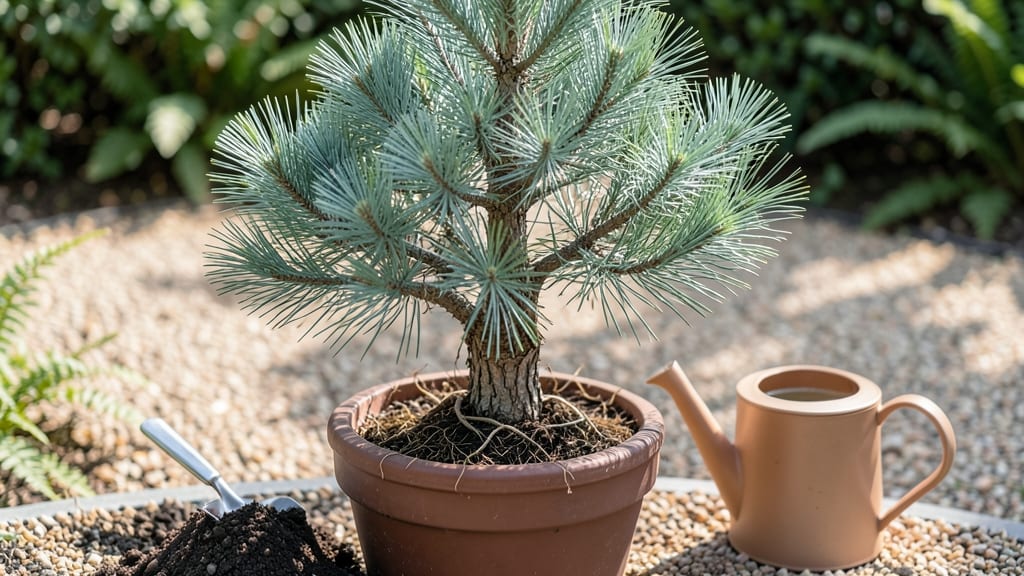
You can plant a Christmas tree after using it if it's a live evergreen variety like Fraser fir or balsam fir, but success depends on quick action: remove all lights and decorations, gently shake off debris, and replant within 24 hours in moist, shaded soil. Only trees with vibrant green needles have a realistic chance of survival.
Not all Christmas trees can survive replanting—only evergreen species with fresh needles and minimal stress from holiday use make the cut. 🌲 The key is timing: trees left indoors too long lose moisture through their needles, so immediate outdoor care is critical.
I've seen Fraser firs thrive when replanted properly, but Scotch pines or artificial trees have zero chance. Even with perfect care, survival rates hover around 50%, so don't expect miracles if your tree looks wilted before planting.
For best results, strip all lights and ornaments immediately after the holidays, then store the tree upright in a cool, humid spot (like a garage) until replanting. 💧 Use a shovel to dig a hole twice as wide as the root ball, mix in compost, and water thoroughly every 2-3 days for the first month.
Mulch the base to retain moisture—this simple step can double your tree's chances of taking root.
💡 In This Article
- Which Christmas Trees Can Survive Planting After Use?
- Step-by-Step Guide to Reviving and Planting a Used Christmas Tree
Which Christmas trees can survive planting after use?
The survival potential of a used Christmas tree hinges entirely on its species and condition. Only live evergreen varieties like Fraser fir, balsam fir, or Douglas fir have a realistic chance because their needle structure is designed to retain moisture.
These species typically have needle retention rates of 70-90% even after weeks indoors, thanks to a waxy cuticle that slows water loss. In contrast, Scotch pine or artificial trees have zero viability—Scotch pines shed needles rapidly when stressed, and artificial trees lack biological systems entirely.
Lighting and transport stress are the silent killers of transplant success. Christmas lights generate heat up to 120°F when left on, which dehydrates needles and damages root systems.
Even if you remove lights, the tree's roots may have already suffered oxidative stress from prolonged dryness. 🌲 What's less obvious is how the physical act of moving the tree from lot to home to yard creates microscopic tears in root hairs—these tiny injuries slow nutrient uptake for weeks.
For best results, choose trees with fresh green needles that don't snap when bent and a firm trunk (not hollow-sounding when tapped).
The needle test is your first diagnostic tool. Run a hand along the branches—healthy needles should feel plump and slightly springy, not brittle or papery. Brown needles at the tips are normal (they're the oldest), but widespread browning signals irreversible dehydration.
The Fraser fir stands out here because its needles contain higher levels of terpenes (the pine-scented compounds), which act as natural preservatives against fungal growth during storage. This chemical advantage gives it a 15-20% higher survival rate than other species when replanted.
Timing matters more than most people realize. Trees left indoors for more than 48 hours lose 30-40% of their root moisture content, making revival nearly impossible. The root system of a freshly cut Christmas tree is already stressed—it's been severed from its natural water supply.
Adding holiday lights and dry indoor air creates a perfect storm. Even with perfect care, only about 50% of replanted trees survive their first year, but that jumps to 75% with immediate outdoor replanting within 24 hours.
Consider these key factors when assessing your tree's potential:
- Needle color: 90%+ green needles = good chance; 50%+ brown = unlikely to survive
- Trunk condition: Solid when tapped = healthy; hollow sound = dead
- Root ball: Intact and moist = better survival; dried out = poor prognosis
- Species: Fraser fir > balsam fir > Douglas fir in replanting success
The real magic happens in the first 72 hours after replanting. During this window, the tree's roots begin forming new root hairs to absorb water. Mulching with 3-4 inches of wood chips or straw keeps soil moisture consistent and insulates roots from temperature swings.
Without this protection, roots can freeze in winter or overheat in summer—both fatal to a stressed transplant. 💧