
Pruning
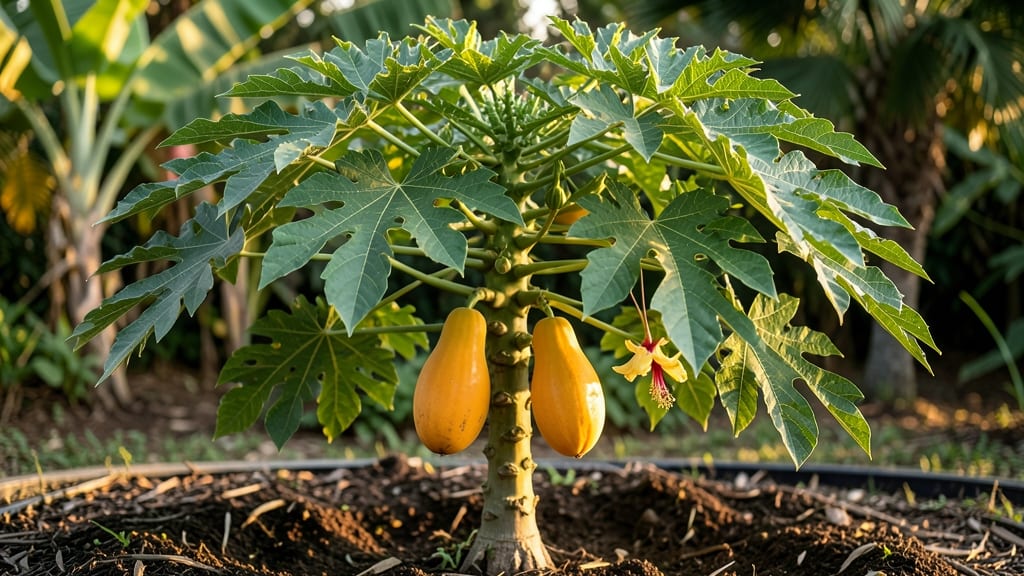
Growing papaya trees in California succeeds best in USDA Zones 10-11, where warm coastal and desert climates prevent frost damage. These tropical plants need well-draining soil, wind protection, and consistent moisture to thrive and produce fruit.
California's coastal and desert regions offer the perfect environment for papaya trees, thanks to their long, hot summers and mild winters. 🌵 The key is mimicking their native tropical conditions—think of Southern California's Mediterranean climate as a close match.
While Zones 10-11 are ideal, gardeners in Zone 9 can still grow papayas by using frost cloths or growing them in containers that can be moved indoors during cold snaps.
I've seen these trees flourish in urban gardens along the coast when given afternoon shade to prevent leaf scorch from intense sun.
Once established, papaya trees are surprisingly low-maintenance, but they do need specific care to reward you with fruit. The soil should be slightly acidic (pH 6.0-7.0) and amended with compost to encourage vigorous growth.
Mulching helps retain moisture, which is critical since these trees originate from rainforest environments. Pruning isn't just about shaping—it's also about improving airflow to prevent fungal diseases that thrive in California's humid summer nights.
💡 In This Article
- California’s Best Zones for Papaya Tree Cultivation
- Step-by-Step Guide to Growing Papaya Trees in California
California’s best Zones for papaya tree cultivation
Papaya trees (Carica papaya) are tropical powerhouses that demand warmth year-round, making USDA Zones 10-11 the Goldilocks zone for California growers. These zones offer the perfect balance: average winter lows between 30-40°F and summer highs consistently above 80°F.
Papayas can't tolerate frost—even a light freeze (28°F) will kill the plant, as their delicate leaves and stems lack the protective adaptations of cold-hardy species.
The coastal regions like San Diego and Santa Barbara (Zone 10) provide near-perfect conditions, with ocean breezes moderating summer heat while preventing extreme temperature swings.
The key advantage of California's microclimates is their diversity.
Inland desert areas like Palm Springs (Zone 11) offer hotter, drier conditions that papayas actually prefer during summer, while coastal areas provide more humidity. 🌊 What most gardeners don't realize is that papayas thrive in areas with 12+ hours of daylight—this is why they fruit so prolifically in Southern California's long summer days.
The trees enter a natural dormancy when daylight drops below 11 hours, which explains why Zone 9 gardeners must use grow lights or choose dwarf varieties to stimulate fruiting.
For those in marginal zones (like parts of Zone 9), protection becomes essential. I've successfully grown papayas in Los Angeles (Zone 10a) by using 30-gauge frost cloth during winter nights when temperatures dip below 45°F.
The secret is combining physical protection with proper site selection—planting near south-facing walls or under deciduous trees that provide shade during summer but allow winter sun penetration. Container growing is another smart option, as you can move potted papayas to sheltered locations or even indoors when frost threatens.
Soil temperature matters just as much as air temperature. Papaya roots prefer soil that stays above 60°F—this is why coastal areas with their cooler summers can struggle. The solution? Amend your soil with 3-4 inches of compost and use black plastic mulch to raise soil temperatures by 5-10°F.
In desert areas, you'll need to water more frequently to prevent soil from overheating above 90°F, which can cause root burn.
The ideal soil mix should have 60% mineral content, 30% organic matter, and 10% air space—think of it as giving your papaya tree's roots the same fluffy, well-drained conditions they'd find in their native volcanic soils.
One common misconception is that papayas need constant humidity. While they do prefer 60-80% relative humidity, California's dry summers actually benefit them by reducing fungal diseases. The trick is to water deeply 2-3 times per week during summer (about 1-1.5 gallons per tree) while maintaining consistent moisture.
Let the top 2 inches of soil dry out between waterings—this prevents root rot while keeping the plant hydrated enough to support fruit development. In coastal areas, you might need to supplement with a humidifier during winter months when indoor heating dries the air.
Consider these zone-specific growing tips:
- Zone 10 (Coastal): Plant in partial shade during summer to prevent leaf scorch from 90°F+ temperatures
- Zone 11 (Desert): Use shade cloth (30-50%) to protect from intense afternoon sun
- Zone 9 (Marginal): Choose dwarf varieties like 'Solo' or grow in containers for mobility
- All Zones: Test soil pH—papayas prefer 6.0-7.0 and will show yellowing leaves if too acidic
The payoff for getting these conditions right? A single papaya tree can produce 50-100 fruits per year—each weighing 1-3 pounds—with proper care. The first fruits typically appear 9-12 months after planting, but with California's ideal conditions, you might see fruit even sooner in Zone 11. 🌟