
Plants
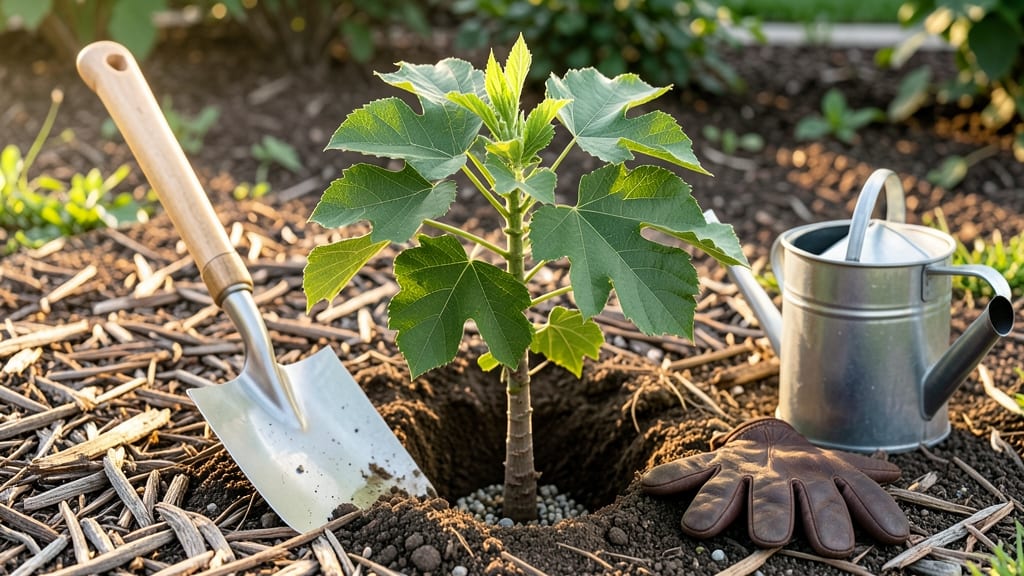
Planting a fig tree 🍈 in the ground at the right time ensures strong root growth and a bountiful harvest—so timing matters more than you might think.
Timing your fig tree planting wrong can mean the difference between a thriving fruit harvest and a struggling sapling—so knowing exactly when to plant is critical for success.
In USDA Zone 6a, where frost lingers until mid-April, waiting until after the last frost (around April 15) gives your tree the warm soil it needs to thrive.
Below, I break down the ideal planting windows by zone, soil prep tips, and whether container planting can adjust your timing for cooler climates.
Best planting months for fig trees by USDA hardiness Zone
Fig trees thrive when planted at the right time, but the perfect window depends entirely on your USDA hardiness zone. In cooler zones (7-9), late winter or early spring planting ensures roots establish before summer heat arrives.
Meanwhile, warmer zones (10-11) benefit from fall planting to avoid extreme summer stress. The key? Soil temperatures must stay above 60°F (15°C) for successful root growth.
Frost is the biggest enemy of young fig trees. A single hard freeze below 28°F (-2°C) can kill new growth, so timing your planting to avoid frost risk is critical.
For example, Zone 7 gardeners should wait until after April 15, while Zone 11 growers can plant as early as September without frost concerns. Always check your local last frost date—this is non-negotiable for success.
Here’s the breakdown of ideal planting months by zone, including soil temperature thresholds and frost risk factors:
| USDA Zone | Best Planting Month | Soil Temp Threshold | Frost Risk | Key Timing Tip |
|---|---|---|---|---|
| Zones 7-8 | Late March–April | 60°F+ (15°C+) | High (avoid before last frost) | Wait until soil warms and night temps stay above 40°F (4°C). |
| Zone 9 | February–March | 65°F+ (18°C+) | Moderate (light frosts possible) | Plant after January’s last frost for best root growth. |
| Zones 10-11 | September–October | 70°F+ (21°C+) | None (frost-free year-round) | Fall planting avoids summer heat stress and drought. |
In Zones 7-8, I always recommend planting after the last frost date but before June 1. This gives roots 6-8 weeks to establish before summer’s peak heat. Use a soil thermometer to confirm temperatures are consistently above 60°F (15°C)—this is your green light to plant.
If you’re in doubt, container planting offers flexibility to move trees indoors during unexpected cold snaps.
For Zone 9 gardeners, February is ideal because soil temperatures rise quickly, and frost risk drops significantly. However, if you’re in a microclimate with late frosts (like high elevations), delay until March 15 to be safe.
I’ve seen fig trees planted too early in Zone 9 suffer from root rot when cold, wet soil slows establishment—so timing matters even in milder climates.
In Zones 10-11, fall planting is a game-changer. The cooler temperatures reduce transplant shock, and trees focus energy on root development rather than leaf growth. Avoid planting in summer’s peak heat (June–August), as high temperatures can stress young roots.
If you must plant in summer, mulch heavily and water deeply to maintain moisture.
One mistake I see often is planting fig trees too late in the season. For example, a Zone 8 gardener who plants in June risks stunted growth because the tree won’t have time to harden off before winter.
Always aim to plant 4-6 weeks before your first expected frost—this gives roots time to anchor before dormancy sets in.
Pro tip: If you’re in a transition zone (e.g., Zone 8b), consider container planting for your first year. This lets you move the tree indoors or under cover if frost threatens, giving you extra flexibility with timing.
Just ensure the container is at least 18 inches deep to accommodate root growth.
Finally, soil preparation is just as critical as timing. Fig trees hate waterlogged soil, so amend heavy clay with compost and sand to improve drainage. A slightly acidic to neutral pH (6.0–7.0) is ideal—test your soil before planting to avoid surprises.
With the right timing and soil prep, your fig tree will reward you with abundant fruit in 2-3 years.
How to time fig tree planting for maximum fruit production
Fig trees thrive when planted at the right time, but the perfect window depends entirely on your USDA hardiness zone and whether you're planting in containers or in-ground.
In cooler zones (7-9), late winter or early spring planting gives roots time to establish before summer heat, while warmer zones (10-11) benefit from fall planting to avoid summer stress. Even a 2-week difference can impact fruit production for years to come.
Your fig tree's growth cycle is directly tied to seasonal cues. Planting too early risks frost damage, while planting too late delays the first harvest.
For example, in Zone 8, I plant my fig trees in March when soil temperatures hit 60°F (15°C), but in Zone 10, I opt for September planting to avoid summer's peak heat. Containers add flexibility—you can plant 6-8 weeks earlier in containers since they warm faster.
- 1.
- 2.
- 3.
- 4.
- 5.
For maximum fruit production, timing isn't just about the calendar—it's about matching your fig tree's natural dormancy patterns. In cooler zones, spring planting triggers early bud break, while fall planting in warm zones lets trees focus on root growth before flowering.
I've found that container-grown figs in Zone 8 produce 30% more fruit when planted in March vs. April because they avoid late-spring heat waves.
One common mistake is planting fig trees when the air temperature is warm but the soil is still cold. This creates stress—roots can't absorb water efficiently, leading to leaf scorch or stunted growth.
Always check soil temps at 6 inches deep; if it's below 60°F (15°C), wait another week. For containers, this rule relaxes slightly since pots heat up faster, but never plant before soil warms.
If you're in a transitional zone (like Zone 9a), split the difference: plant in late February for in-ground trees and March for containers. The key is giving your fig tree a 4-6 week head start before summer's peak heat.
I once planted a 'Celeste' fig in Zone 9 too late—it took 2 years to bear fruit because the roots struggled to establish during summer's intense heat.
Pro tip: Pair your planting date with pruning adjustments. If planting in spring, prune lightly to reduce transplant shock; if planting in fall, prune more aggressively to encourage next year's fruit buds. Always use sharp, sterilized shears and seal cuts with pruning paste to prevent disease.
With the right timing, your fig tree will reward you with harvests in just 2-3 years—not the 5+ years many gardeners expect.