
Pruning
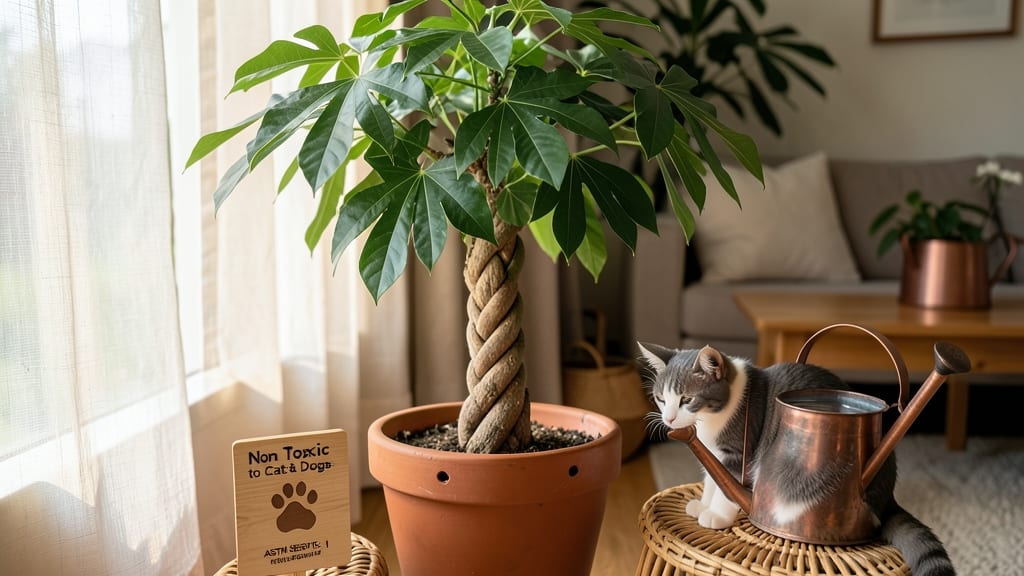
Money trees (Pachira aquatica) are not pet-friendly—their leaves and sap contain irritating compounds that can trigger vomiting, drooling, or skin irritation in cats and dogs. Choose safer alternatives like spider plants or Boston ferns for pet owners.
This tropical plant contains natural saponins that act as a mild irritant to pets, especially when ingested or touched. 🐾 While severe poisoning is rare, symptoms like excessive drooling, nausea, or paw licking can occur if your pet chews the leaves.
The good news? Many non-toxic plants offer similar visual appeal without the risks, making them ideal for homes with curious pets.
For pet owners, I recommend placing plants out of reach or opting for pet-safe varieties like the parlor palm or Boston fern, which thrive in similar lighting conditions. Always monitor your pet's behavior when introducing new plants to your home.
💡 In This Article
- Toxicity Risks of Money Trees for Cats and Dogs
- Top 5 Pet-Safe Houseplants for Homes with Curious Pets
Toxicity risks of money trees for cats and dogs
The money tree's toxicity stems from its natural saponins—compounds that create soapy lather when mixed with water. These irritants trigger oral irritation and digestive upset in pets, particularly when leaves or bark are chewed.
The sap contains additional phytochemicals that can cause allergic skin reactions upon contact, leading to redness or itching around the mouth or paws. 🐾
Symptoms typically appear within 30 minutes to 6 hours after ingestion and may include excessive drooling, vomiting, diarrhea, or lethargy. While rarely fatal, severe cases can occur in small pets or those with pre-existing conditions.
The ASPCA reports that money trees rank as moderately toxic—more concerning than non-toxic plants but less dangerous than lilies or oleanders.
Cats are especially vulnerable due to their grooming habits. If they lick their paws after touching the plant, they may ingest enough sap to cause gastrointestinal distress.
Dogs often react differently based on size—small breeds may show symptoms from just a few leaves, while larger dogs might tolerate small amounts better but still experience discomfort. Always consult a vet if you suspect ingestion.
What makes this plant particularly risky is its appealing appearance. The glossy leaves and tropical look make it tempting for pets to investigate, especially in hanging baskets where they can easily reach it. Unlike spiky plants that deter pets naturally, money trees have no built-in protection against curious nibbling. 🌿
Severity depends on the amount consumed and the pet's sensitivity. A single leaf might cause mild drooling, while consuming a branch could trigger more severe vomiting or diarrhea.
The key difference from highly toxic plants is that money trees don't contain deadly compounds like oxalates or cardiac glycosides, but their cumulative effects can still be unpleasant for pets.
If your pet shows signs of exposure, rinse their mouth gently with water and contact your veterinarian immediately. Never induce vomiting without professional guidance, as some reactions can worsen with additional irritation. Prevention is always better—keep money trees in high places or choose pet-safe alternatives for your home.