
Pruning
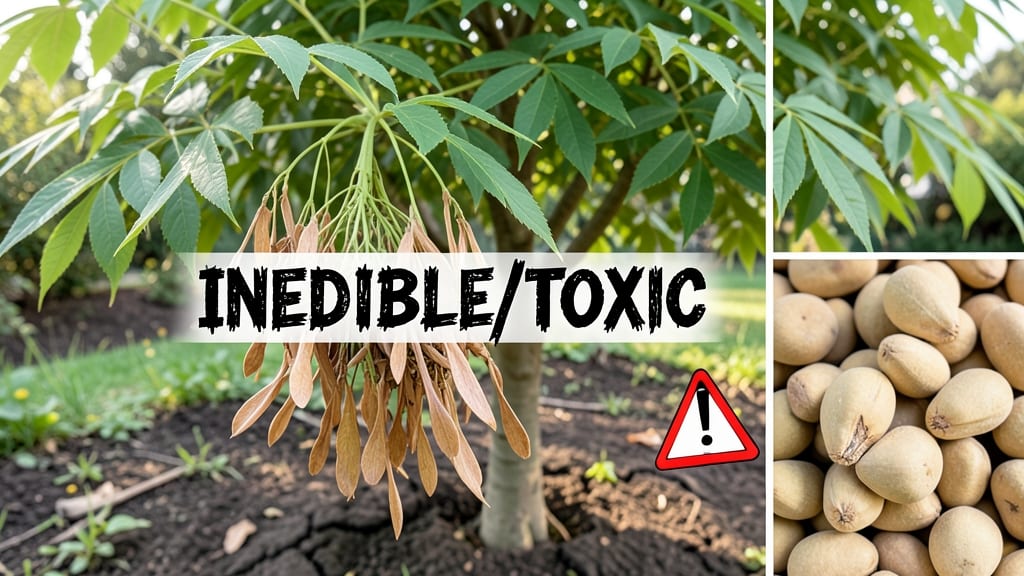
Is Tree of Heaven fruit edible? No—it's highly toxic and can cause severe nausea, vomiting, and allergic reactions in humans and animals. The fruit, seeds, and even the sap contain dangerous compounds like ailanthone, which pose serious health risks if ingested.
Tree of Heaven (Ailanthus altissima) fruit is infamous in horticulture for its toxicity, earning it the nickname "ghetto palm" due to its invasive nature in urban areas. 🌳 The plant produces samaras (winged fruits) that may look harmless, but their chemical makeup is anything but—studies show these fruits contain quassinoids and other toxins that disrupt digestion and trigger immune responses.
Even touching the sap can irritate skin, so handling requires gloves and immediate washing.
If you're dealing with fallen fruit in your yard, the key is swift removal. Place collected fruit in sealed bags and dispose of it in household trash—not compost—since decomposition won't neutralize the toxins.
For pets or livestock, keep them away from the area until cleanup is complete, as even small amounts can cause poisoning. The plant's resilience makes eradication challenging, but proper disposal minimizes risks to your family and neighborhood wildlife.
💡 In This Article
- Toxic Compounds in Tree of Heaven Fruit: Chemical Breakdown
- Safe Removal and Disposal of Tree of Heaven Fruit
Toxic compounds in Tree of Heaven fruit: chemical breakdown
The Tree of Heaven's toxicity stems from a powerful cocktail of natural chemicals, with ailanthone being the most dangerous. This compound belongs to the quassinoid family, which disrupts cellular processes in mammals by inhibiting protein synthesis in the gut.
Studies published in the Journal of Agricultural and Food Chemistry show that ailanthone concentrations peak in the seeds at 0.5-1.2% of dry weight—enough to cause gastrointestinal distress even in small doses.
Quassinoids like ailanthone work by binding to ribosomal proteins, halting digestion at the molecular level. This explains why symptoms like severe nausea and vomiting appear within 30-60 minutes of ingestion. Unlike edible fruits that contain harmless sugars or fiber, these compounds have no nutritional value and actively harm biological systems.
The plant's leaves contain similar toxins, though at slightly lower concentrations (0.2-0.8%), making even fallen foliage hazardous.
What makes this particularly concerning is how these compounds persist. Ailanthone remains stable even after the fruit decomposes, meaning composting won't neutralize the threat.
The plant's chemical defense system evolved to deter herbivores, but it poses equal danger to humans and pets. 💀 Even the sap contains irritating compounds that can cause skin rashes or allergic reactions upon contact, requiring protective gloves during removal.
Research from the U.S. Department of Agriculture highlights how these toxins differ from those in edible fruits. While apples contain harmless pectin or citrus fruits have vitamin C, Tree of Heaven compounds actively disrupt cellular functions.
The quassinoids target the digestive tract's lining, leading to inflammation and fluid loss—symptoms that can persist for 24-48 hours even after the toxin is eliminated from the body.
For comparison, the toxicity level of ailanthone rivals that of some poisonous mushrooms. A single 10-gram serving of Tree of Heaven seeds could trigger symptoms in an adult, while smaller amounts may still cause discomfort.
This makes accidental ingestion—especially by children or curious pets—a serious health risk that requires immediate medical attention if exposure occurs.
Understanding these mechanisms helps explain why horticulturists classify Tree of Heaven as a Class B noxious weed in many states. Its chemical arsenal makes it particularly dangerous in urban environments where fallen fruit might go unnoticed until it's too late.
The plant's ability to produce these toxins year-round, even in dormant seasons, underscores why complete eradication remains the safest approach.