
Pruning
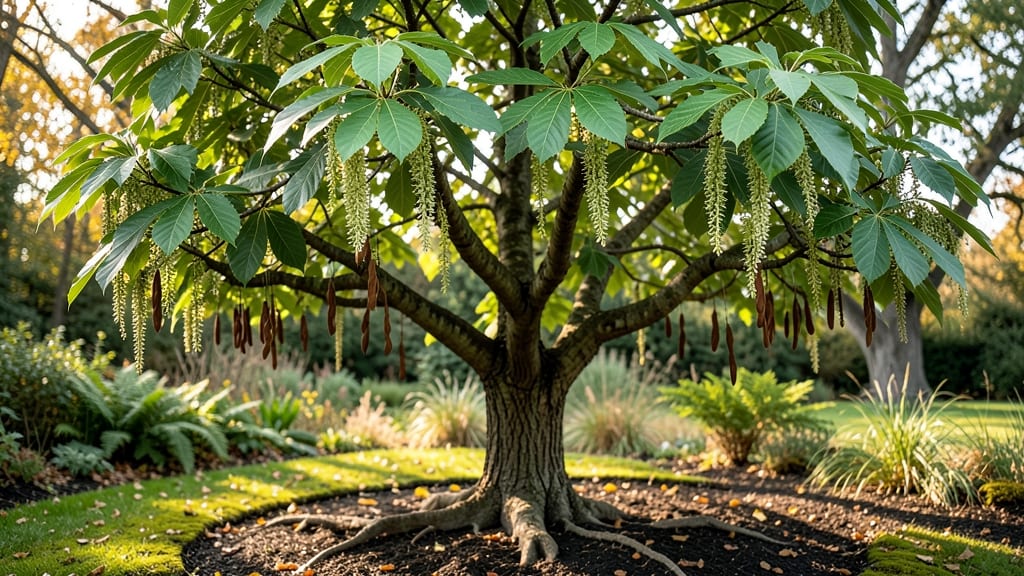
Those brown, papery pods on your Tree of Heaven aren’t just unsightly—they’re a toxic invasion waiting to happen. 🌿 I’ve spent years battling this aggressive tree, and the pods are the real problem: one plant can produce thousands of seeds, each capable of sprouting into a new infestation within weeks.
The pods themselves aren’t directly toxic, but the tree’s allelopathic roots and sap can harm nearby plants—and those seeds? They’ll sprout anywhere, crowding out native species. Worse, the tree’s rapid growth makes it nearly impossible to outcompete once established.
The key is acting fast before the pods release their seeds in late summer.
You’ll learn how to safely remove the pods (gloves required—the sap causes skin irritation), when to prune for maximum control, and the best tools to use.
By the end, you’ll have a plan to stop this tree from taking over your yard—or at least slow it down enough to protect your garden.
This works for both small patches and full-blown invasions, though larger problems may need professional help. Let’s get started on reclaiming your space—before next year’s pods drop.
The Roots of an Invasive Spread
If you’ve ever wondered why tree of heaven pods seem to appear overnight—clogging gutters, littering sidewalks, or sprouting in unexpected places—blame biology, ecology, and a few sneaky survival tricks.
This tree isn’t just aggressive; it’s strategic. Understanding the science behind its spread helps you combat it before it takes over.
The tree of heaven’s pods are packed with 1-3 winged seeds, each designed for maximum travel. When pods split open, they release seeds that twirl like helicopters in the wind, carrying them up to 1,000 feet away from the parent tree. But wind isn’t the only hitchhiker—
- 🚗 Vehicle transport: Seeds cling to tires, bumpers, and undercarriages, then scatter when brakes are applied or tires spin.
- 🐾 Animal assistance: Birds and squirrels eat the seeds (though they’re not a primary food source), then deposit them in new locations via droppings.
- 💦 Waterways: Floodwaters carry seeds downstream, turning rivers into unintentional seed highways.
Actionable tip: If you’re near a tree of heaven, inspect your car after driving through infested areas—shake off seeds or wash them away to avoid accidental planting.
This tree doesn’t just spread seeds—it poisons the competition. Its roots and leaves release allelochemicals, toxic compounds that suppress the growth of nearby plants. This gives tree of heaven seedlings a monopoly on sunlight, water, and nutrients.
- 🌱 Soil domination: The chemicals break down into phthalic acid, which stunts root growth in other plants, creating a "dead zone" around the tree.
- 🌳 Shade advantage: Once established, the tree’s dense canopy blocks sunlight, further weakening competitors.
- 🔄 Self-perpetuation: Even fallen leaves and pods contribute to the soil’s toxicity, ensuring new seedlings have an easier time taking root.
Pro tip: If you’re removing a tree of heaven, mulch the area with thick cardboard or landscape fabric to block sunlight and prevent new seedlings from sprouting. No light = no growth.
Tree of heaven thrives in disturbed or urban environments, where natural predators and competitors are scarce. Here’s why it’s so successful:
| Factor | Why It Helps the Tree |
|---|---|
| 🏙️ Urban sprawl | Paved surfaces and construction sites create open spaces with minimal competition, giving seedlings room to grow. |
| 🌡️ Warm climates | It prefers USDA Zones 3-9, meaning it adapts to most of the eastern and central U.S. with ease. |
| 💧 Moisture tolerance | Drought-resistant once established, but seedlings love wet soil, common in spring and after storms. |
| 🌿 Lack of natural predators | Unlike native trees, it has few insects or diseases that keep its population in check. |
Key insight: The tree of heaven exploits human activity. Old fields, vacant lots, and even cracks in pavement become its playground. Vigilance is your best defense.
Sometimes, the biggest culprit is us. Well-meaning (but misinformed) actions can accidentally spread tree of heaven pods:
- 🌿 Composting pods: Heat from compost piles doesn’t kill seeds—they can survive and sprout later.
- 🚜 Tilling or digging: Buried seeds can lie dormant for years before germinating when disturbed.
- 📦 Firewood transport: Moving cut wood with pods can introduce them to new areas.
- 🎃 Fall cleanup: Raking leaves (especially from infested trees) can spread seeds across lawns.
✨ Prevention hack: If you must compost tree of heaven debris, bag and dispose of it in sealed trash—never in yard waste or compost bins.
Removing & Preventing Invasive Pods
Dealing with tree of heaven pods—those pesky, seed-filled clusters—requires a mix of removal strategies and smart prevention. Whether you’re tackling an existing infestation or trying to keep these invasive trees at bay, here’s a practical, step-by-step guide to help you reclaim your yard.
---
Before jumping into removal, confirm you’re dealing with Ailanthus altissima (tree of heaven).
Look for: - Pods: Flat, papery, and brownish-green, resembling elongated beans (1–2 inches long). - Tree: Fast-growing with compound leaves, foul-smelling bark, and a weedy, aggressive growth habit. - Location: Often found in disturbed soils, along fences, or near sidewalks.
💡 Pro Tip: If pods are already on the ground, wear gloves—handling them can irritate skin or trigger allergies.
---
For a few trees or scattered pods, physical removal is the most straightforward method.
#### 🍳 Removing Seed Pods 1. Collect pods with thick gardening gloves or a rake. Place them in a sealed bag or bucket. 2. Dispose of them properly: - Do NOT compost—pods can sprout into new trees. - Landfill or incinerate (if allowed) to prevent regrowth.
3. Clean the area: Vacuum or sweep up any remaining debris to eliminate stray seeds.
#### 🌳 Pruning or Cutting Small Trees 1. Cut at the base (if the tree is young and small). 2. Apply herbicide (glyphosate or triclopyr) to the stump to kill regrowth. 3. Monitor for suckers—tree of heaven often resprouts from roots.
⏰ Time-Saver: Use a stump grinder for larger trees to speed up decomposition.
---
For established trees or widespread pods, herbicides are often the most effective solution.
#### 🔥 Herbicide Application Methods | Method | How to Do It | Best For | |--------------------------|-----------------------------------------------------------------------------------|---------------------------------------| | Basal Bark Treatment | Apply undiluted glyphosate or triclopyr to the lower trunk (wrapped in plastic). | Small to medium trees (1–4 inches thick). | | Foliar Spray | Mix herbicide with water and spray leaves (ensure full coverage). | Larger trees or dense foliage. | | Stump Treatment | Spray herbicide directly on fresh cuts after pruning. | Preventing regrowth from stumps. |
💡 Safety First: - Follow label instructions precisely. - Avoid spraying on windy days to prevent drift. - Wear protective gear (gloves, mask, long sleeves).
--- If you prefer chemical-free methods, consider these alternatives:
- Goats or Sheep: These animals will eat young tree of heaven shoots (check local regulations first!). - Smothering: Cover small trees with cardboard + mulch to block sunlight and kill them over time. - Competitive Planting: Grow fast-spreading ground covers (like clover or vines) to outcompete saplings.
✨ Bonus: Plant native species that thrive in your climate—they’ll naturally crowd out invasives.
---
Once you’ve removed the pods and trees, take these steps to keep them from returning:
#### 🚫 Block Seed Spread - Bag and dispose of pods immediately if they appear. - Inspect firewood, mulch, or soil brought from unknown sources—pods can hitchhike. - Clean tools after pruning to avoid spreading seeds.
#### 🌳 Monitor & Maintain - Regularly check your yard for new sprouts (they grow fast!). - Remove suckers as soon as they appear—don’t let them mature. - Plant barriers: Dense shrubs or hedges can physically block seed dispersal.
#### 📊 Long-Term Landscape Strategies - Choose native alternatives like black walnut, hickory, or serviceberry for shade trees. - Mulch heavily around tree bases to suppress weed growth. - Encourage natural predators: Birds may eat pods, but they can also spread seeds—balance is key!
--- If the infestation is large, near structures, or resistant to DIY methods, hire a licensed arborist or invasive species specialist. They have the tools and expertise to handle tough cases safely.
--- By combining manual removal, targeted chemicals, and smart prevention, you can eliminate tree of heaven pods and protect your property from future invasions. Stay vigilant—these trees are relentless, but so can you be!
Frequently asked questions
Are tree of heaven pods toxic to humans or pets?
The pods themselves aren't directly toxic, but the tree's sap and leaves contain allelochemicals that can cause skin irritation or allergic reactions. Avoid touching pods without gloves, and keep pets away from chewed leaves—they may experience digestive upset. The real danger comes from the tree's invasive spread, not the pods themselves.
How long do tree of heaven pods stay on the tree?
Pods typically remain on the tree from late summer through winter, splitting open in fall or early spring to release seeds. Once they drop, seeds can remain viable in soil for years—so prompt removal is critical. The longer pods stay attached, the higher the risk of spreading thousands of seeds.
Can I just rake up the pods and throw them in my compost?
No—composting pods is a big mistake! The heat from compost piles doesn't kill seeds, which can sprout later. Instead, bag and dispose of pods in sealed trash or burn them (if allowed). Even small pieces of pods can contain viable seeds ready to germinate.
What's the best time of year to remove tree of heaven?
The ideal time is late winter or early spring before new growth begins. This is when trees are most vulnerable to herbicide treatments or cutting. For pod removal, act immediately when you see them forming in late summer—don't wait for them to split open.
Will cutting down the tree stop the pods from spreading?
Not always—tree of heaven often regrows from roots (called suckers). After cutting, apply herbicide to the stump and monitor for new shoots. For complete removal, you may need to dig up roots or use repeated herbicide treatments. The key is persistence!