
Pruning
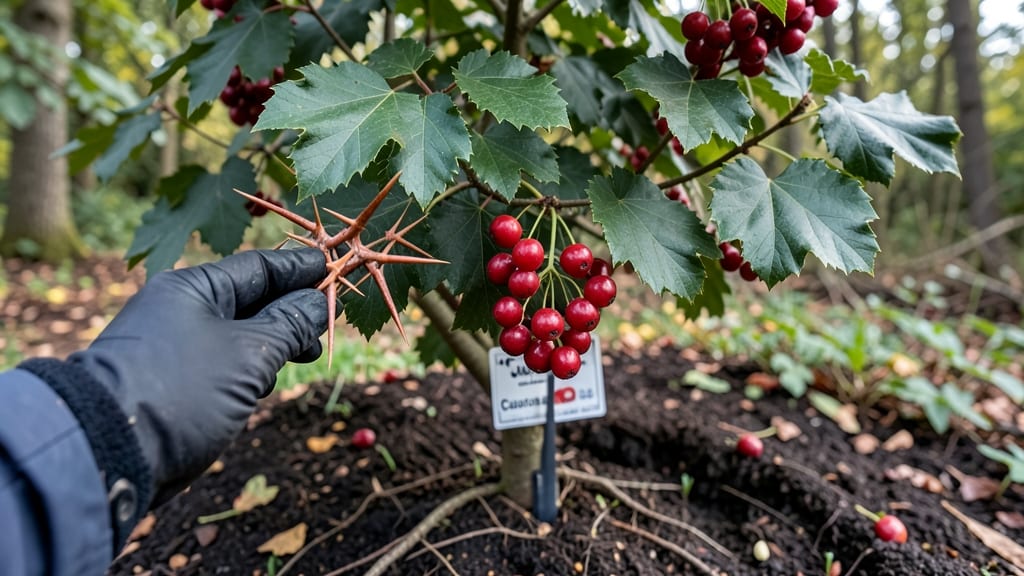
Hawthorn tree poison is found in its seeds, leaves, and unripe fruit, containing dangerous compounds like amygdalin and tannins that can trigger severe reactions. Consuming any part of the plant—especially seeds—can lead to nausea, vomiting, or digestive distress in both humans and pets. Always handle with caution and avoid ingestion entirely.
Hawthorn trees, while beautiful with their spring blossoms and red berries, hide serious risks. 🌿 The seeds are particularly dangerous because they release cyanide when metabolized, which can overwhelm the body's systems.
Even small amounts of crushed leaves or unripe fruit can cause symptoms within hours, though pets—especially dogs—are far more vulnerable due to their size and metabolism. I always recommend removing fallen berries from yards immediately to prevent accidental ingestion by curious animals.
If you're dealing with a hawthorn tree in your garden, wear gloves when pruning and dispose of clippings in sealed bags. Never compost toxic plant parts, as this can spread the risk.
For pets, keep them away from the tree entirely—even chewing on leaves can lead to serious health issues. When in doubt, consult a vet or arborist for safe removal options.
💡 In This Article
- Toxic Compounds in Hawthorn Tree and Their Effects
- Safe Handling and Removal of Hawthorn Trees
Toxic compounds in hawthorn tree and their effects
The hawthorn tree's toxicity stems primarily from two classes of compounds: amygdalin and tannins. Amygdalin, a cyanogenic glycoside, breaks down into hydrogen cyanide when metabolized—a process that begins even when leaves or seeds are chewed. This chemical disrupts cellular respiration by binding to cytochrome oxidase in mitochondria, effectively suffocating cells.
Just 0.5-1 milligram of cyanide per kilogram of body weight can be lethal to pets, while humans would need roughly 50-60 milligrams for a fatal dose. 🔥
Tannins, the second major toxin, cause digestive distress by binding to proteins in the stomach and intestines, leading to irritation and inflammation. These compounds are especially concentrated in unripe fruit and leaves, which contain about 5-10% tannins by dry weight.
When ingested, they trigger symptoms like vomiting and diarrhea within 30 minutes to 2 hours, though severe cases involving cyanide may take 15-30 minutes to manifest. Pets exhibit symptoms more rapidly due to their smaller size and faster metabolism.
The effects vary dramatically between species. Dogs, for instance, are highly sensitive to cyanide and may show signs like bright red gums, rapid breathing, or even seizures within 10-20 minutes of ingestion.
Humans typically experience milder reactions unless large quantities are consumed, though chronic exposure can lead to liver or kidney damage. The key difference lies in detoxification capacity—human livers can process small amounts, while pets lack this efficiency. 💛
Identifying toxic parts is critical. Hawthorn seeds are the most dangerous, containing the highest amygdalin concentrations (2-5% by weight), while ripe berries are generally safe in moderation due to lower toxin levels. However, unripe fruit and leaves remain hazardous year-round.
The tree's white blossoms in spring are also toxic, containing trace amounts of both compounds. Always assume any part of the plant is unsafe unless confirmed ripe and seed-free.
Symptoms typically follow a predictable timeline: initial digestive upset (nausea, vomiting) within 30-90 minutes, followed by neurological signs (dizziness, confusion) if cyanide is involved. Delayed reactions can occur 6-12 hours later with liver or kidney strain.
In pets, panting and weakness often appear first, progressing to collapse if untreated. Immediate veterinary care is essential for severe cases, as cyanide poisoning requires specific antidotes like sodium nitrite or amyl nitrite. ✨
What most people don't realize is that even indirect exposure poses risks. Crushing leaves or seeds releases cyanide gas, which can irritate lungs when inhaled. Gardeners should wear gloves when pruning and avoid burning toxic plant parts, as the smoke contains harmful cyanide fumes.
The tree's thorns add another layer of danger—they can puncture skin, creating entry points for toxins if handling contaminated materials. Always wash hands thoroughly after contact.