
Trees
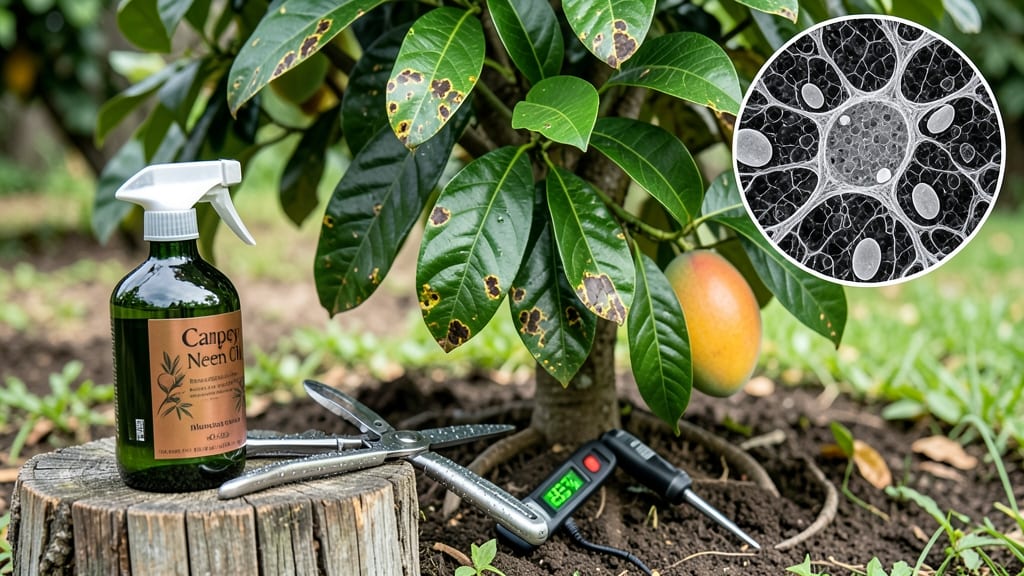
Mango tree fungus can turn your sweet harvest into a sad, spotted mess—unless you catch it early. 🌿 I’ve seen anthracnose, powdery mildew, and stem-end rot ruin mango trees in my own backyard, but the right steps can save them.
The key is spotting the symptoms fast: dark spots on leaves, fuzzy white patches, or rotten fruit before they ripen.
Fungal spores thrive in warm, humid conditions—just like mango trees love. Poor air circulation, overwatering, or old pruning wounds give them the perfect entry point. The good news? Most fungi respond well to copper-based sprays or neem oil, applied every 2-3 weeks during rainy seasons.
Prune infected branches immediately and sterilize tools to stop the spread.
With the right treatment, your tree can bounce back—healthier than ever. Start by removing all infected leaves and fruit, then apply fungicide before symptoms appear. Preventive sprays in spring and fall keep fungi at bay, so you can enjoy juicy, blemish-free mangoes all season long.
Works for home gardeners and small orchards alike. Here’s how to diagnose, treat, and protect your tree before fungus takes over.
Root Causes of Tree Fungus
Fungal infections in mango trees aren’t random—they thrive when specific conditions align. Understanding these triggers helps you prevent outbreaks before they start. Here’s a breakdown of why fungal diseases take hold in your orchard or backyard grove.
Fungi love dampness, and mango trees are particularly vulnerable when their roots or leaves stay wet for too long. Here’s why:
- Overwatering: Mango trees prefer well-drained soil, but heavy irrigation or soggy ground creates the perfect breeding ground for pathogens like Anthracnose or Powdery Mildew. Roots suffocate in waterlogged soil, weakening defenses.
- Frequent Rain or Humidity: Tropical climates with high humidity (above 80%) accelerate fungal spores’ growth. Leaves retain moisture longer, giving fungi like Colletotrichum gloeosporioides (a common mango fungus) a foothold.
- Poor Soil Structure: Compacted or clay-heavy soil traps water near roots. Test your soil’s drainage—if water pools after 6 hours, it’s a red flag.
Actionable Fix: Space irrigation 6–8 inches from the trunk, use drip systems instead of overhead sprinklers, and amend soil with organic matter (like coconut coir) to improve aeration.
A healthy mango tree fights off fungi, but stress makes it susceptible. Common stressors include:
- Nutrient Deficiencies: Low potassium or nitrogen weakens cell walls, making them easier targets. Yellowing leaves or stunted growth? Your tree’s immune system is compromised.
- Physical Damage: Pruning wounds, hail, or pest bites (like fruit borers) create entry points for fungi. Fusarium wilt, for example, invades through root injuries.
- Improper Pruning: Cutting too close to branches or during rainy seasons delays healing, leaving fresh wounds vulnerable to infection.
Actionable Fix: Fertilize with balanced NPK (e.g., 10-10-10) in early spring, prune during dry weather, and seal cuts with pruning paint (for large wounds).
Fungal spores are sneaky—they hitch rides on tools, mulch, or even wind. Here’s how contamination spreads:
- Reused Pruners/Saws: Tools used on infected trees transfer spores to healthy ones. Phytophthora (a root-rot fungus) spreads this way.
- Infested Mulch/Compost: Old mulch or manure from diseased plants may harbor dormant spores. Fresh mulch should be sterilized (baked at 180°F for 30 minutes).
- Cross-Contamination in Nurseries: Buying saplings from infected stock introduces fungi like Cercospora into your garden.
Actionable Fix: Sterilize tools with 70% isopropyl alcohol between trees, avoid wood chips from unknown sources, and quarantine new plants for 2 weeks.
Some pests don’t just damage fruit—they create conditions for fungi. For example:
- Mango Hopper or Fruit Borers: Their feeding wounds ooze sap, which fungi like Gloeosporium use as a food source and entry point.
- Scale Insects: Their honeydew attracts sooty mold (Capnodium), a black fungal growth that smothers leaves and blocks sunlight.
Actionable Fix: Monitor for pests with yellow sticky traps, apply neem oil (a natural fungicide/pesticide), and remove heavily infested fruit promptly.
Pro Tip: 💡 Preventative Fungicides like copper-based sprays (applied every 2–3 weeks) create a protective barrier. For organic growers, baking soda spray (1 tsp baking soda + 1 quart water + a drop of soap) disrupts fungal spores on leaves.
Fixing Fungal Issues in Mango Trees
Fungal infections can turn your lush mango tree into a sad, spotted mess—but don’t panic! With the right approach, you can revive your tree and prevent future outbreaks. Below, we break down targeted solutions for common fungal problems, from quick fixes to long-term care.
Cause: Dark, sunken lesions on leaves, fruit, and branches (often from Colletotrichum fungi). Fix:
- Prune infected parts 🔪 – Use sterilized shears to cut off all diseased leaves, fruit, and twigs (even if just slightly spotted). Dispose of them in a sealed bag away from the tree.
- Apply fungicide 💊 – Spray a copper-based fungicide (like Bordeaux mixture) or a neem oil solution (2% neem oil + water) every 10–14 days during rainy seasons or when new growth appears.
- Improve airflow 🌬️ – Thin out dense branches to reduce humidity near the tree. Space trees 10–15 feet apart if replanting.
✨ Prevention Tip: Water at the base (not overhead) to keep leaves dry. Early morning watering lets foliage dry faster.
Cause: White, powdery coating on leaves (from Oidium or Erysiphe fungi), weakening the tree. Fix:
- Wipe leaves gently 🧼 – Use a soft cloth dampened with soapy water (mild dish soap + water) to remove mildew. Avoid harsh scrubbing to prevent leaf damage.
- Spray sulfur or potassium bicarbonate 🛡️ – Mix 1 tbsp baking soda + 1 tsp dish soap + 1 gallon water and spray every 7–10 days. For severe cases, use wettable sulfur (follow label rates).
- Boost tree health 💪 – Fertilize with potassium-rich compost (like banana peels or wood ash) to strengthen natural defenses.
💡 Pro Tip: Avoid overhead irrigation—drip systems or soaker hoses keep leaves dry.
Cause: Soft, mushy roots and wilting leaves (from Phytophthora or Fusarium fungi in waterlogged soil). Fix:
- Drain the soil immediately 💦 – If your tree is in clay or compacted soil, amend with sand, perlite, or coconut coir to improve drainage. Raise the root zone with a small mound of soil if needed.
- Reduce watering 🚰 – Let the top 2 inches of soil dry out before watering again. Stop watering entirely if the ground is soggy for more than 48 hours.
- Fungal treatment 🌿 – Apply Trichoderma harzianum (a beneficial fungus) or hydrogen peroxide (3%) to the soil to outcompete harmful fungi.
⚠️ Warning: If roots are black and mushy, the tree may be beyond saving—consider replanting a new mango tree in a well-drained spot.
No matter the fungus, these preventive habits will keep your mango tree healthy: - Sanitize tools ⚗️ – Wipe pruners with rubbing alcohol between cuts to prevent spreading spores. - Mulch properly 🌱 – Use straw or wood chips (not leaves) to keep soil moist but not waterlogged. - Monitor regularly 👀 – Check the undersides of leaves and young fruit weekly for early signs of fungus. - Encourage beneficial insects 🐞 – Ladybugs and lacewings eat fungal spores.
Plant marigolds or basil nearby to attract them.
Final Thought: Fungal issues are manageable—but the key is acting fast. Once you spot the problem, prune, treat, and adjust care to give your mango tree the best shot at recovery. 🌳💚
Frequently asked questions about mango tree fungus
What are the first signs my mango tree has fungus?
Look for dark, sunken spots on leaves or fruit (anthracnose), white powdery patches (powdery mildew), or black, mushy areas on stems (stem-end rot). Check the undersides of leaves first—fungi often start there before spreading. Act fast if you spot these!
Can I save my mango tree if fungus has already spread?
Yes, but it depends on severity. For early-stage infections, prune all infected parts immediately, sterilize tools, and apply copper fungicide every 10-14 days. If roots are black and mushy, the tree may be beyond saving—replace it in well-drained soil. Prevention is always easier than cure!
How often should I spray fungicide on my mango tree?
Apply preventive sprays every 2-3 weeks during rainy seasons or when new growth appears. For active infections, increase to every 7-10 days until symptoms disappear. Early morning applications work best—leaves dry faster, reducing fungal growth.
Is neem oil safe for treating mango tree fungus?
Neem oil is a natural fungicide that disrupts fungal spores. Mix 2% neem oil with water and spray thoroughly on leaves and stems. Reapply every 10-14 days during wet seasons. It’s also safe for organic gardens and deters pests too!
Why does my mango tree keep getting fungus even after treatment?
Fungi thrive in humid, poorly ventilated conditions. Check for overwatering, dense foliage blocking airflow, or reused tools spreading spores. Prune to improve airflow, water at the base, and sterilize tools between cuts with rubbing alcohol.