
Diseases
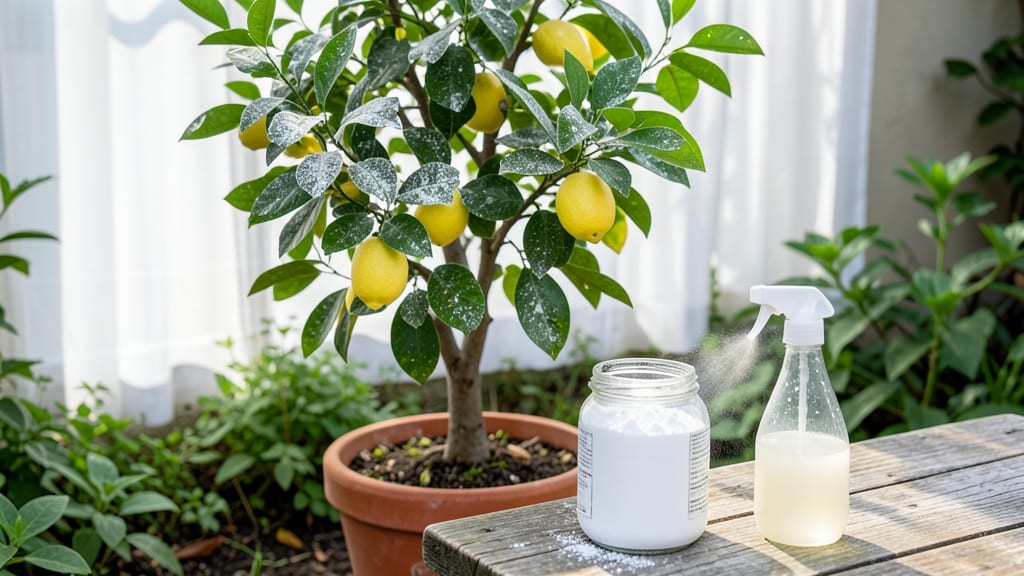
White fungal growth on lemon trees can devastate fruit yield if ignored. These 10 organic identification methods and cures help gardeners protect their trees without harmful chemicals, ensuring healthy harvests for years.
Powdery Mildew on Lemon Tree Leaves
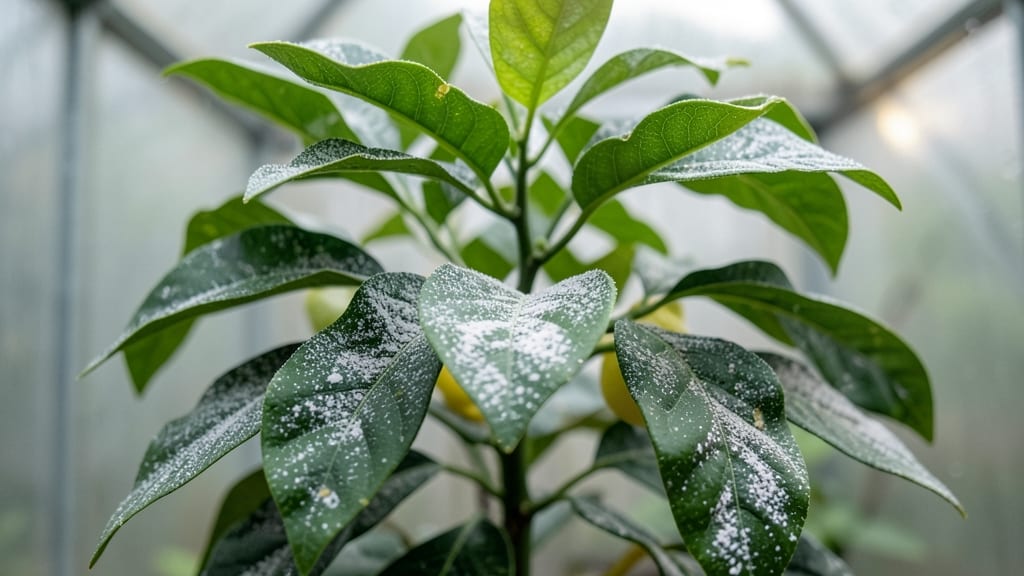
If your young lemon tree’s leaves are developing a white, powdery coating that curls at the edges, you’re likely dealing with powdery mildew—the most aggressive fungal threat to citrus in humid climates. This persistent infection doesn’t just mar the foliage; it weakens the tree, causing premature fruit drop and stunted growth.
Look for a talcum-powder-like film on upper leaves, especially in shaded or crowded areas where airflow is poor. The fungus thrives in temperatures between 60–80°F with high humidity, making coastal gardens and greenhouses hotspots. Prune infected leaves immediately to stop spores from spreading, then apply a 1-tbsp baking soda + 1-quart water + few drops of soap spray every 7–10 days. For severe cases, organic neem oil (mixed at 1% concentration) disrupts spore germination.
This fungus is particularly devastating to young trees under 3 years old, so act fast—prevention through proper spacing (6–8 feet apart) and morning watering (to dry leaves quickly) is your best defense. 🌿
White Mold on Citrus Fruit Surfaces
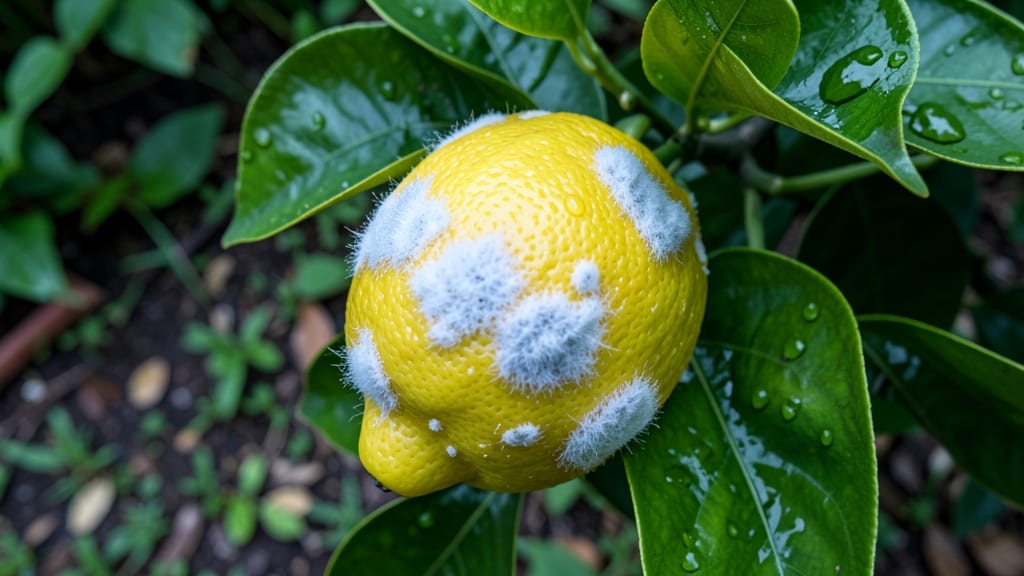
If your ripe lemons develop fuzzy white patches right before harvest, you're dealing with white mold—a cosmetic nightmare that makes fruit unsellable or inedible. Unlike leaf infections, this fungus targets fully developed fruit, thriving in the damp conditions that follow irrigation or rain during the final weeks before picking.
The culprit is often Penicillium or Aspergillus species, which create cottony growth on the fruit's surface. To stop it, ensure proper spacing between trees for airflow and avoid overhead watering in the last 2 weeks before harvest. If you spot it early, remove infected fruit immediately and apply a copper fungicide spray (like Bordeaux mixture) for organic control.
Home gardeners with high-humidity climates should prioritize this prevention—it's the difference between marketable fruit and wasted labor. 🌱
Root Rot Fungus in Potted Lemon Trees
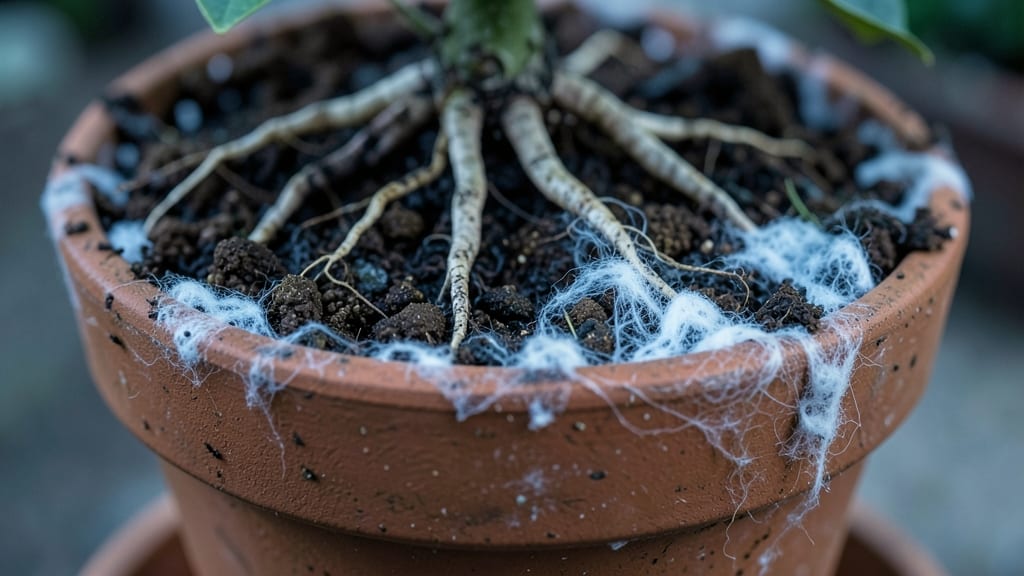
That white, cottony growth hugging your potted lemon tree’s soil line isn’t just dirt—it’s root rot fungus, a silent destroyer that thrives in damp, stagnant conditions. Unlike visible leaf infections, this pathogen attacks below ground, cutting off nutrients and water before you even notice wilting leaves.
Check for white mycelium threads at the soil surface and mushy, discolored roots when repotting. The fix starts with drainage: add perlite or orchid bark to potting mix and use containers with drainage holes. Water only when the top 2 inches of soil are dry, and avoid saucers that trap excess moisture.
Container growers—especially those with limited outdoor space—should prioritize this check, as potted lemon trees are far more vulnerable than in-ground varieties. Early action can save your tree before the fungus spreads beyond repair. 💡
Downy Mildew on New Growth
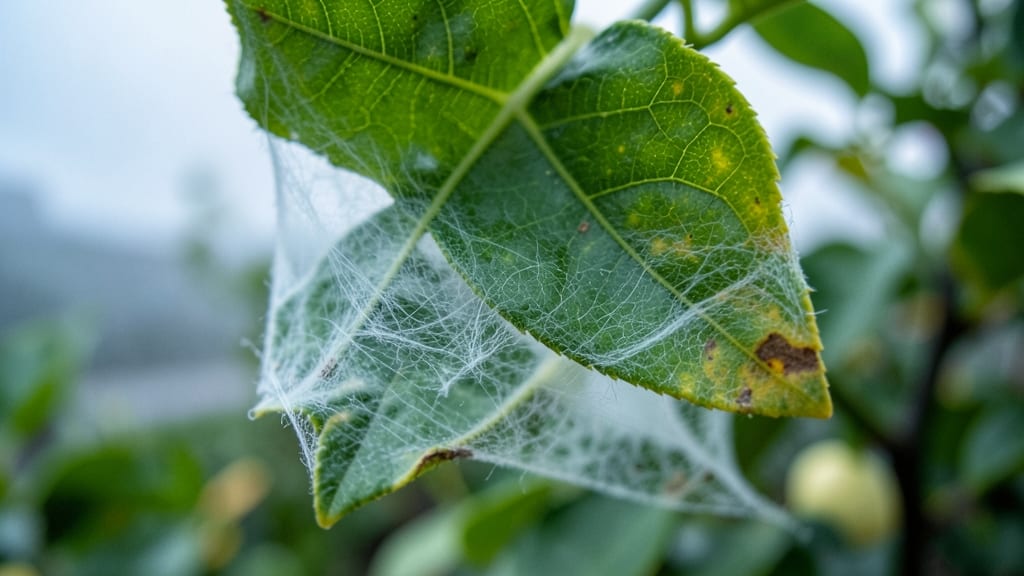
If you notice white, fuzzy webs on the undersides of your lemon tree’s newest leaves, you’re likely dealing with downy mildew—a fungal foe that thrives in coastal fog and damp conditions. Unlike powdery mildew, this aggressive pathogen spreads rapidly, stunting growth and weakening young foliage before it can mature.
To confirm, flip affected leaves—the telltale white cottony growth will be visible on the undersides. Prune infected leaves immediately and improve air circulation by thinning dense branches. In coastal gardens, apply a copper fungicide spray every 7–10 days during foggy mornings to disrupt spore germination. For organic growers, a baking soda solution (1 tsp per quart of water with a drop of dish soap) can also help prevent recurrence.
This fungus is especially dangerous for coastal gardeners, where high humidity and salt spray create the perfect breeding ground. Early intervention is key—once it takes hold, downy mildew can defoliate entire branches, leaving your tree vulnerable to secondary pests. 🌿
Sooty Mold from Sap-Sucking Insects
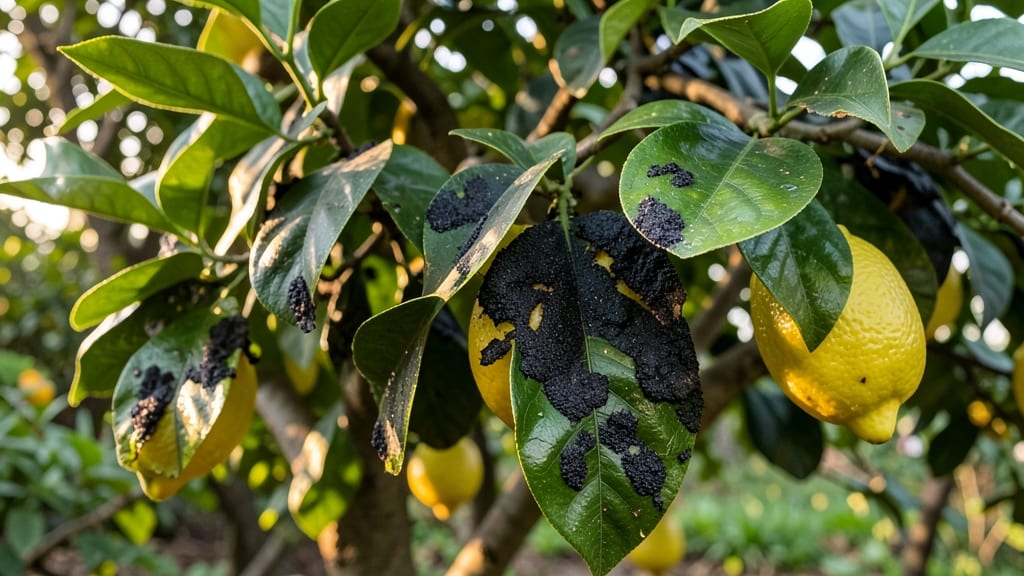
That black, sooty film covering your lemon tree leaves isn’t dirt—it’s sooty mold, a secondary fungal infection triggered by sap-sucking pests like aphids or scale insects. Unlike other white fungi, this one thrives on the sticky honeydew left behind by insects, creating a glossy black layer that blocks sunlight and stunts growth.
To tackle it, first eliminate the pests with a strong spray of water or insecticidal soap, then apply a copper fungicide or diluted neem oil to break the fungal cycle. Prune heavily infected branches to improve airflow, as sooty mold spreads faster in dense foliage. This infection is especially dangerous for young trees, where reduced photosynthesis can lead to stunted growth or even death.
Home gardeners with citrus trees should inspect leaves regularly for early signs of pests—the sooner you act, the easier it is to restore your tree’s health. 🌿
White Rust Fungal Spots on Fruit
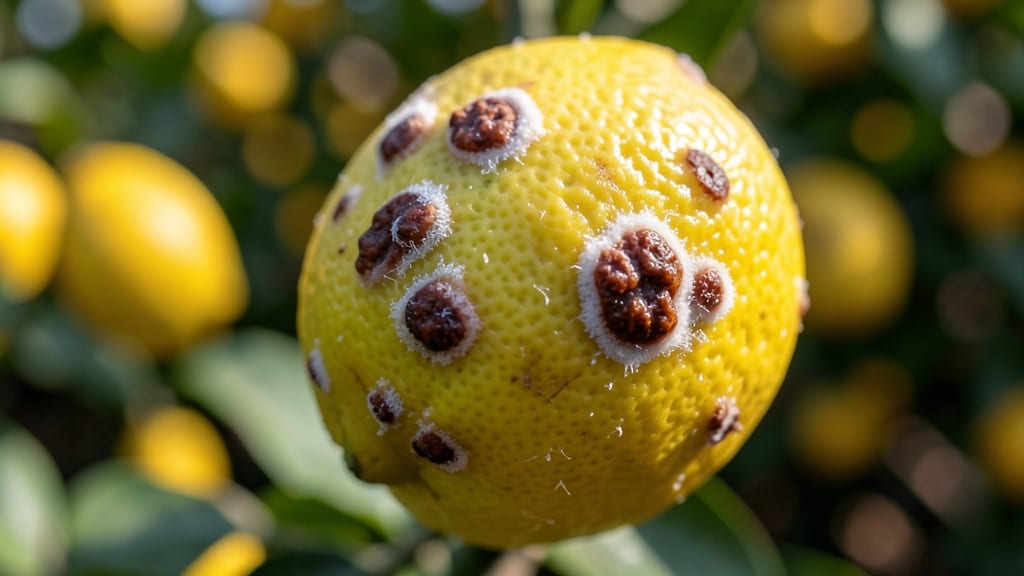
Those rust-colored pustules with white fungal edges on your lemons might look like harmless blemishes, but white rust fungus spreads aggressively, weakening fruit quality and tree health. Unlike powdery mildew or sooty mold, this infection targets the skin directly, creating raised spots that can crack open and invite secondary infections.
Start by pruning infected fruit immediately to stop spore spread, then apply a copper fungicide spray (like Bordeaux mixture) every 7–10 days during wet seasons. Boost airflow around the tree by thinning dense branches, and avoid overhead watering to keep lemons dry. For organic growers, a neem oil + potassium bicarbonate mix (1 tsp baking soda + 1 tbsp oil per quart of water) disrupts spores without chemicals.
This fungus thrives in humid, coastal climates but can strike anywhere—home gardeners and commercial growers alike should monitor fruit closely as it ripens. Early action prevents the infection from ruining your harvest entirely. 🌟
Bacterial Spot with White Halos
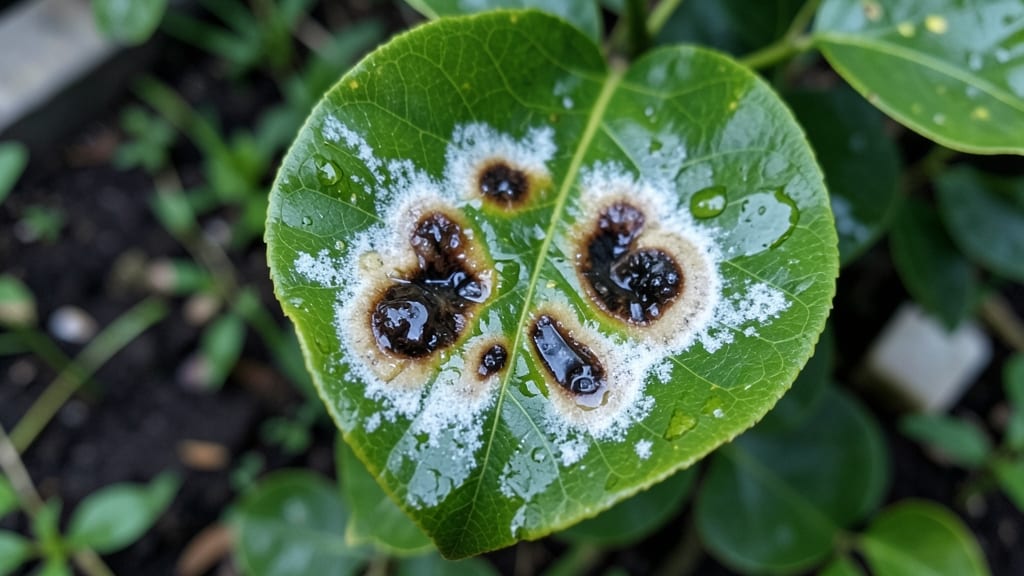
When you spot white halos surrounding water-soaked lesions on your lemon tree leaves, you’re likely dealing with bacterial spot—a fast-acting disease that can turn your fruit to mush in just a few weeks. Unlike powdery mildew, this infection starts with bacterial lesions that develop fungal-like white rings, making it a sneaky double threat.
Act immediately by pruning infected leaves and disposing of them in the trash (never compost). Follow up with a copper-based fungicide or a baking soda spray (1 tsp per quart of water with a drop of dish soap) to slow bacterial spread. Since this disease thrives in warm, wet conditions, improve airflow around your tree and avoid overhead watering to prevent future outbreaks.
Home gardeners in humid climates should monitor their trees weekly during peak growing season, as bacterial spot spreads faster than most fungal infections. Early detection is your best defense against ruined harvests. 💡
White Fungal Growth in Citrus Nursery Pots
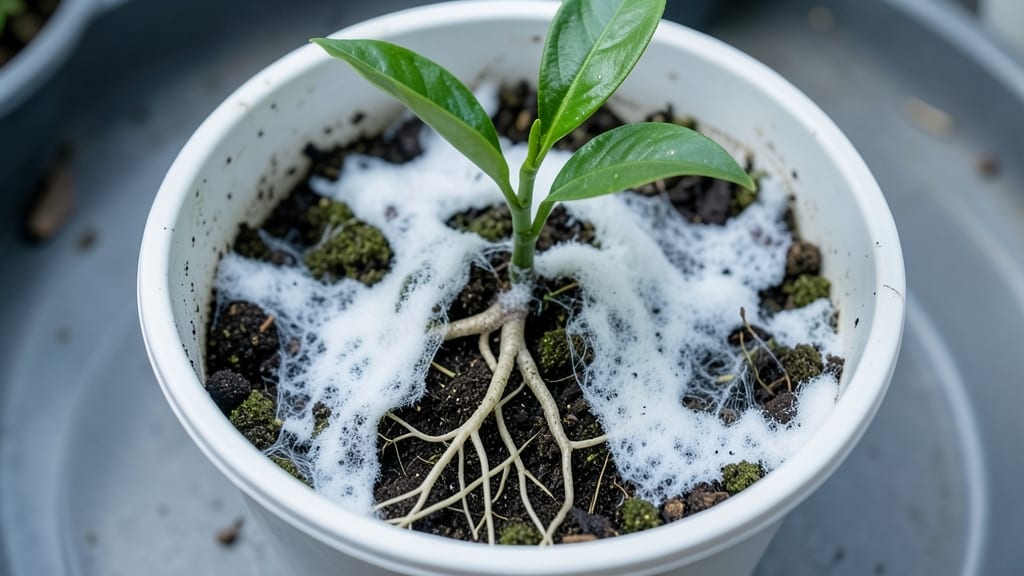
If you’ve ever bought a potted citrus seedling that arrives with a white, fuzzy mat covering the soil, you’re dealing with contaminated propagation material—a silent threat in commercial nurseries. This white fungal growth often stems from poor sterilization practices during propagation, where spores hitchhike on cuttings or soil and create an ideal breeding ground for mold.
To tackle this issue, start by removing all visible fungal growth with a sterile knife or tweezers, then discard the top layer of contaminated potting mix. Replace it with a sterilized, well-draining mix (like a blend of perlite, coconut coir, and compost) and repot the seedling in a clean container. For extra protection, water the soil with a 1:10 dilution of hydrogen peroxide (3%) to kill lingering spores before replanting.
This problem is most critical for home gardeners buying nursery stock or those propagating citrus cuttings themselves. Sterilizing tools and propagation media can save your seedlings from a slow, smothering decline. 💡
Organic Neem Oil Spray Application
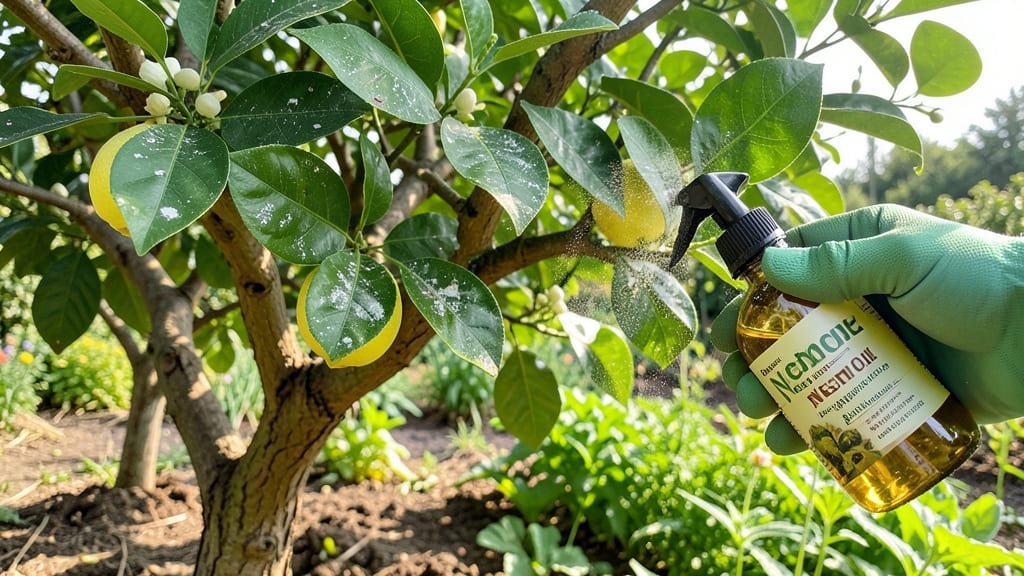
When white fungal threats appear on your lemon tree, neem oil spray is your secret weapon for prevention. Unlike reactive treatments, neem oil disrupts fungal spore germination at the cellular level, stopping infections before they take hold. This makes it ideal for organic growers who want to protect their trees without synthetic chemicals.
Mix 1 teaspoon of pure neem oil with 1 quart of water and a dash of mild soap (like Castile soap) to help it stick. Apply the solution in the early morning or late afternoon when temperatures are below 90°F, avoiding direct sunlight to prevent leaf burn. Reapply every 7-14 days during high-risk periods like humidity spikes or after pruning.
What makes neem oil especially valuable is its safety for edible fruit when used correctly—just avoid spraying directly on ripening lemons. Home gardeners and small-scale citrus growers will appreciate how this natural solution keeps their trees thriving without harsh residues. ✨
Baking Soda Fungicide for White Mold

When powdery mildew turns your lemon tree leaves into a white, dusty mess, baking soda isn’t just for baking—it’s your secret weapon. This simple, alkaline solution disrupts fungal spores by creating an environment they can’t tolerate, making it perfect for organic gardeners tired of chemical sprays.
Mix 1 teaspoon of baking soda, 1 quart of water, and a few drops of liquid soap (to help it stick) in a spray bottle. Apply it every 7-10 days during humid conditions or after rain, focusing on the undersides of leaves where spores love to hide. The soap ensures even coverage, while the baking soda’s pH shift makes fungal growth nearly impossible. For severe cases, add a teaspoon of horticultural oil to boost effectiveness.
This method is ideal for home gardeners who want a non-toxic, budget-friendly solution that won’t harm beneficial insects or your family. Plus, it’s safe to use right up until harvest, giving you peace of mind while keeping your lemons healthy and blemish-free. 🌱